GREEN ENERGY WOOD CHIP , WOOD PELLET
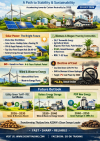
“Thailand Renewable Energy Outlook: Entering a New Era of Stability and Sustainability”
Thailand is stepping into a new era of clean energy.
With the ambitious goal of achieving Carbon Neutrality by 2050, both government and private sectors are accelerating investments in renewable energy to maintain global competitiveness and build a resilient economic system
30 7月 2026
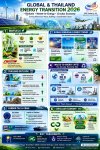
Energy Transition 2026: Biofuels & Waste-to-Energy Outlook
SO OK TRADING — 23 July 2026
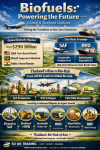
The global energy landscape is entering a new era. Biofuels are shifting from food crops to agricultural residues, waste, and used cooking oil — paving the way for Sustainable Aviation Fuel (SAF) and Bio-Hydrogen as key solutions for decarbonizing aviation and heavy industries.
At the same time, Waste-to-Energy (WTE) is emerging as a rising star in the Circular Economy, transforming community waste into clean power and industrial fuel. With Europe’s Carbon Border Adjustment Mechanism (CBAM) and upcoming domestic carbon tax policies, industries in Thailand are accelerating the transition to RDF fuels, biomass, and SAF investments to stay competitive and sustainable.
SO OK TRADING is proud to stand at the forefront of this transformation — delivering WOOD PELLET and RDF3 products that are eco-friendly, reliable, and ready to support businesses in achieving Net Zero goals.
23 7月 2026
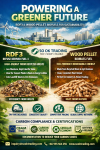
Clean Energy for a Sustainable Future
In an era where the world is striving to reduce carbon emissions and maximize energy efficiency, SO OK TRADING is proud to be your trusted partner in clean energy. With our high-quality products — RDF3 (Refuse Derived Fuel 3) and Wood Pellet — we deliver biomass fuels that balance both environmental responsibility and economic value.
We are committed to providing alternative energy solutions that lower production costs while creating long-term value for your business. Backed by a precise logistics system, we guarantee on-time delivery, consistent quality, and competitive pricing to ensure your operations run smoothly and efficiently.
FAST | SHARP | RELIABLE — this is not just our motto, but the principle we live by, ensuring every client can rely on SO OK TRADING’s international standards.
15 7月 2026
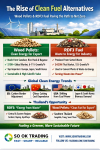
“Alternative Fuels to Replace Coal – Clean Energy Transforming the World and Unlocking New Opportunities for Thailand”
by SO OK TRADING : 5 July 2026
5 7月 2026
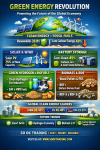
“Green Energy Revolution: Clean Energy, Biomass & RDF Transforming Global Business Towards a Green Future”
SO OK TRADING : 26 JUNE 2026
26 6月 2026
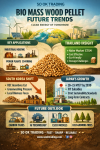
Bio Mass Wood Pellet: Clean Energy of the Future
SO OK TRADING : 8 JUNE 2026
The world is accelerating toward Carbon Neutrality and reducing greenhouse gas emissions.
In this transition, Wood Pellets (compressed biomass fuel) have evolved from being an “alternative fuel” to becoming a vital primary energy source across industries, power plants, and households.
From industrial steam boilers and co-firing in power plants to residential heating in Europe and North America, Wood Pellets are emerging as the backbone of the new clean energy era.
In Thailand, the market is still in its early stage but holds enormous potential. With abundant agricultural resources and production capacity, Thailand is well-positioned to become a key exporter — especially to Japan, where demand for high-quality Wood Pellets is rapidly increasing, supported by long-term contracts and strict sustainability standards.
While South Korea’s market is slowing down, Japan has become the “new pillar” of Asia’s Wood Pellet industry, offering significant opportunities for Thai producers to expand and upgrade to international standards.
The future of clean energy has already begun — and Wood Pellets are one of the essential keys driving the world toward sustainability
8 6月 2026
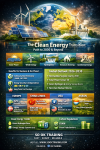
⚡ Alternative Energy: The Turning Point to the Clean Power Era
The world is truly entering the “Clean Power Era.”
Renewable energy is no longer just a supplementary option —
it is becoming the core driver of the new global economy.
From solar, wind, and hydropower to green hydrogen —
every technology is pushing the world toward the NET ZERO goal.
3 五月 2026
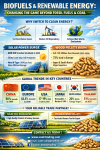
Alternative Energy – Biofuels
The Game Changer Set to Replace Fossil Fuels and Coal
The world is moving forward into the era of clean energy. Energy is no longer just the driving force of the economy—it is also the key to preserving environmental balance and securing the future of humanity. This transition is not merely about technology; it is about laying a new foundation for the global energy system, reshaping how we think about and use energy forever.
Alternative energy sources such as Solar Cells and Wood Pellets are becoming central to electricity generation and industry worldwide, with costs steadily decreasing and efficiency rising significantly.
While China and Europe are rapidly installing hundreds of gigawatts of renewable energy each year, Asian countries like Japan, South Korea, and Thailand are also accelerating their clean energy transition to achieve Net Zero Emissions within the coming decades.
Today, SO OK TRADING is ready to be your trusted business partner in this new energy era.
We provide comprehensive solar cell installation services and high-quality wood pellets for export, ensuring your business keeps pace with the global shift toward clean energy with confidence.
17 4月 2026
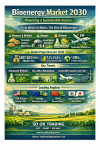
Bioenergy: The Renewable Energy Becoming the “Heart” of the Future World
Article by SO OK TRADING | April 5, 2026
In an era where the world is accelerating its transition to clean energy, Bioenergy is emerging as a crucial engine for reducing greenhouse gas emissions and driving sustainability across industries — from aviation and heavy transport to manufacturing. This energy is derived from resources often overlooked in daily life — agricultural residues, animal waste, or energy crops — yet it can be transformed into massive amounts of clean power.
SO OK TRADING invites you to explore the global bioenergy market trends toward 2030, along with an in-depth analysis of Thailand’s trajectory. Thailand is rising as ASEAN’s leader in renewable energy, opening new business opportunities in an age where “green energy” defines the future.
5 4月 2026
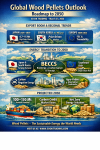
Thai Wood Pellets: Clean Energy from Asia to the Global Stage
23 3月 2026
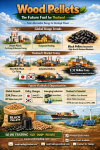
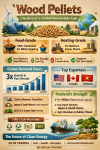
Wood Pellets: The Future Energy Thailand and the World Must Watch
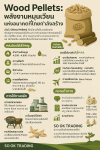
Wood pellets are rapidly becoming the strategic energy of the modern era. More than just an alternative, they represent a golden opportunity for Thailand to expand exports to Japan and South Korea, while supporting the rise of new industries such as Green Steel and Bio-chemicals.
Thailand holds a production capacity of 5.32 million tons per year and has already begun investing in Black Pellets, which deliver higher heat value and qualify for Carbon Credits.
12 3月 2026
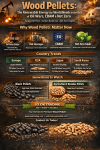
Impact of the 2026 Gulf War: As Oil Prices Surge, CBAM Takes Effect, and the World Accelerates Toward Net Zero
With fossil fuels becoming a global risk, Wood Pellets (biomass fuel) are emerging as the new answer for industries worldwide.
✅ Oil prices soar to $125 → Businesses turn to renewable fuels
✅ CBAM enforcement begins → Factories must adapt to stay competitive
✅ Net Zero by 2050 → Wood Pellets truly help reduce greenhouse gas emissions
✅ Thailand’s strong potential → Production, exports, and domestic use strengthen energy security
8 3月 2026
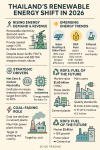
Here’s the English version of your post introduction, translated and adapted for smooth readability and professional tone:
2026 marks a pivotal turning point for Thailand’s energy system — moving away from coal toward clean energy that delivers on cost efficiency, reliability, and a green image.
In this article, SO OK TRADING highlights the latest renewable energy trends in Thailand and explores the rising opportunities of RDF3, which is fast becoming the “rising star” in both the energy and cement industries.
- Surging electricity demand from the private sector
- Solar, RDF, and Ethanol: the emerging clean energy leaders
- The decline of coal and Thailand’s Net Zero ambitions
- Industry-accepted RDF3 quality standards
- Strategic “location factor” that reduces RDF costs
16 2月 2026
14 2月 2026
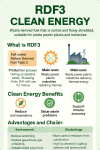
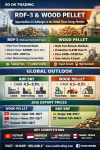
RDF3 (Fluff RDF) is a next-generation waste-derived fuel, produced by sorting, shredding, and drying municipal solid waste until 95% of the material is smaller than 2 inches. Designed for waste-to-energy power plants and industries requiring thermal energy, RDF3 offers a clean alternative to coal, reduces landfill waste, and supports the circular economy. With strong government backing and rising demand in Thailand’s energy and industrial sectors, RDF3 is emerging as a key solution for sustainable growth and compliance with global environmental standards.
10 1月 2026

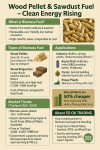
Wood Pellets — Compressed Biomass, A Clean Energy Source
At present, the world is placing great importance on the production of biomass energy as a way to reduce reliance on traditional fuels such as petroleum and coal, while also alleviating environmental pressures. This has led to a growing demand for biomass products.
As an introduction, we refer to Japan, which is one of the countries showing a continuous increase in biomass energy usage. The Japanese government has implemented policies to promote renewable energy in order to strengthen energy security and reduce dependence on nuclear power.
The market value is projected to rise from 7.26 trillion yen in 2020 to 17.2 trillion yen in 2035.
8 1月 2026
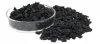
Uses of Coconut Shell Charcoal — Based on the Chinese and Japanese Markets
Chinese Market
According to market data, China is one of the largest importers of coconut shell charcoal. In 2025, import volumes increased significantly, and the average import price rose by more than 75% compared to the previous year. Demand has grown not only from Thailand but also from other major exporters such as Indonesia and Malaysia.
Coconut shell charcoal is in very high demand in China, mainly for:
- Clean energy industries
- Production of Activated Carbon
- Water treatment and air purification
Japanese Market
In Japan, coconut shell charcoal is widely used in both households and industries. It is especially popular in Japanese-style grilling restaurants (Yakiniku, Yakitori, BBQ), which require smokeless charcoal with consistent high heat.
Japan also applies coconut shell charcoal in environmental sectors, including:
- Biochar production → Contributing to carbon sequestration and reduction of greenhouse gas emissions
- Activated Carbon production → Used in water treatment, air purification, and chemical industries
Japan places strong emphasis on clean energy and carbon reduction, which drives high demand for high-quality imports from Thailand and Southeast Asia.
Contact Information
If you are interested in sourcing coconut shell charcoal from Thailand, please contact SOOK TRADING.
We supply high-quality export-grade products for both the Chinese and Japanese markets.
8 1月 2026
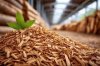
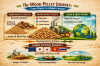
Wood chip green energy uses sustainably sourced wood waste (branches, thinnings) as a renewable biomass fuel, burning it in boilers to create steam for electricity or direct heat, offering a carbon-neutral alternative to fossil fuels, reducing waste, supporting local forestry, and creating energy security. It's a versatile, cost-effective, and environmentally friendly way to generate heat and power while promoting responsible forest management.
How it works
Harvesting: Chips are made from forestry residues, tree thinnings, and wood processing waste.
Combustion: Chips are fed into a boiler, creating hot steam.
Power Generation: Steam turns turbines to generate electricity or provides direct heat for homes, businesses, and industrial processes.
Key benefits
Renewable & Sustainable: Replenished through managed forests.
Carbon Neutral: Trees absorb CO2 as they grow, balancing emissions from burning.
Reduces Waste: Utilizes byproducts that would otherwise go to landfills.
Cost-Effective: Often cheaper than oil or gas.
Energy Security: Decreases reliance on imported fossil fuels.
Supports Local Economies: Creates jobs in forestry and biomass sectors.
Applications
Biomass power plants for electricity.
District heating systems (e.g., for communities).
Heating for homes, commercial buildings, and industrial facilities.
Landscaping mulch or play area surfacing
24 12月 2025
