RDF3 — From Waste Fuel to the New Hero of Clean Energy and Carbon Credits in Industry
Last updated: 10 Jan 2026
3523 Views
RDF3 Waste Fuel: The New Hero of Clean Energy
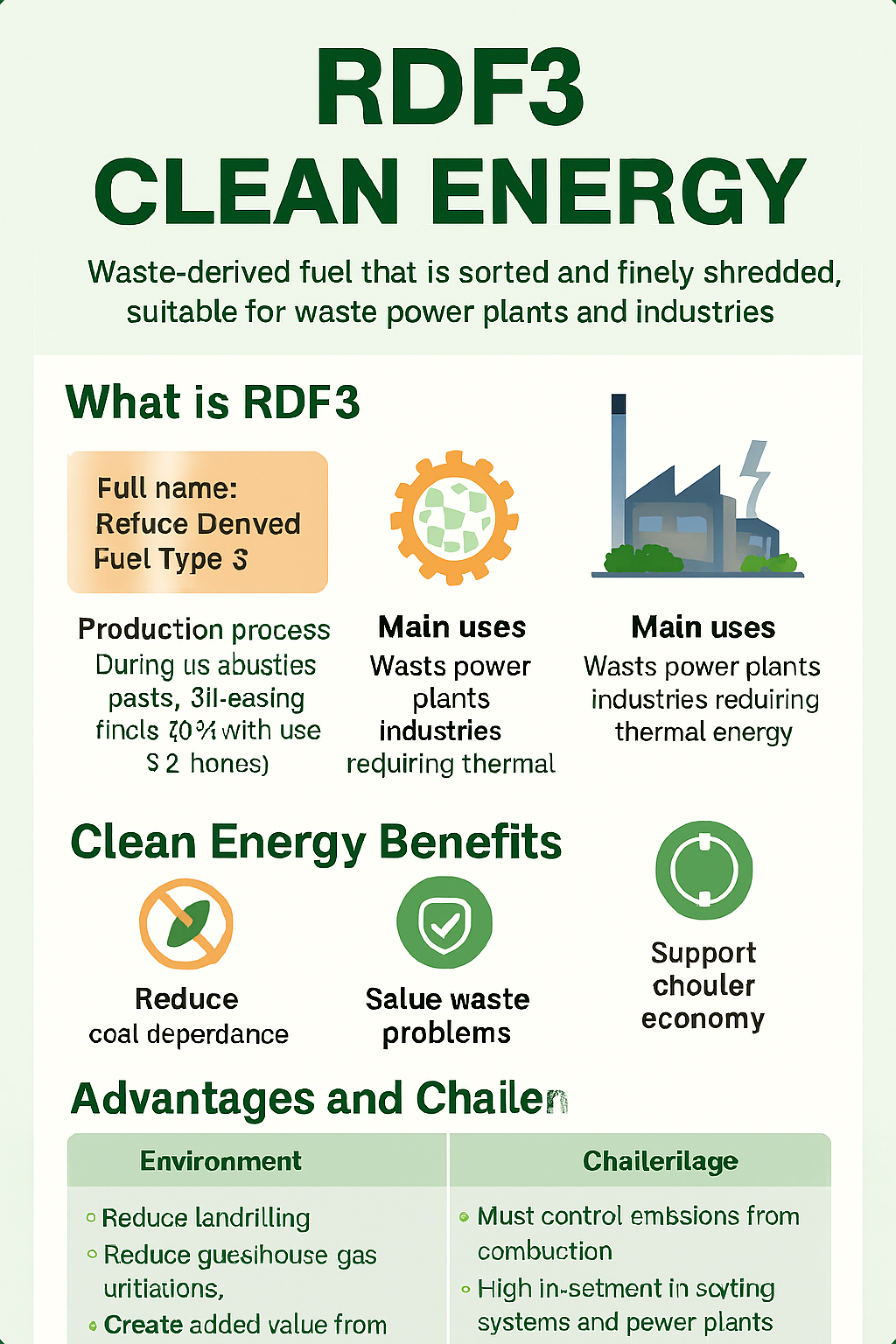
RDF3 (Fluff RDF) is a waste-derived fuel that has been sorted and finely shredded so that more than 95% of the material is smaller than 2 inches. It is suitable for waste-to-energy power plants and industries requiring thermal energy. RDF3 is considered one of the clean energy alternatives that reduces reliance on coal while addressing Thailand’s municipal waste problem.
What is RDF3?
Full name: Refuse Derived Fuel type 3 (Fluff RDF)
Production process:
Sorting combustible municipal waste
Shredding or cutting until 95% is < 2 inches
Reducing moisture to increase calorific value and improve transport efficiency
Main applications:
Waste-to-energy power plants (stoker boilers)
Industries requiring thermal energy such as cement, paper, and metals
Clean Energy Advantages
Reducing coal dependency: RDF3 can replace fossil fuels in industry, lowering CO₂ emissions and meeting EU CBAM requirements
Solving waste problems: RDF3 transforms non-recyclable waste into energy instead of landfill
Supporting circular economy: Waste is reused as energy, aligning with circular economy principles
RDF Market Trends in Thailand
By 2025: RDF market expected to grow 6.3% to reach 1.8 billion THB
Electricity sector: About 61% of RDF is used for power generation, with 9.9% growth
Government support: Policies encourage waste-to-energy plants and purchase of RDF electricity at higher rates than solar and wind
Benefits of RDF3
Environmental: Reduces landfill, mitigates global warming, and lowers greenhouse gas emissions
Economic: Creates added value from waste, reduces fossil fuel and coal costs, and supports a green society
Future Applications of RDF3
Market growth: Expected 6.3% increase, reaching 1.8 billion THB by 2025
Electricity sector: 61% of RDF used for power generation, average growth 9.9%
Industrial demand: Cement and other industries expected to grow 1.1%
Industrial applications:
Power plants: Biomass energy growth driven by demand for green energy and carbon credits
Thermal industries: RDF3 use in boilers continues to expand, reducing coal reliance and supporting CBAM compliance
Waste management: RDF is a key option for reducing waste, building a circular economy and sustainable value chain
Drivers and Limitations
✅ Drivers
Government policies supporting waste-to-energy and RDF use
CBAM measures pushing industries to reduce coal consumption
Circular economy concepts promoting RDF utilization
⚠️ Limitations
Uncertainty in electricity purchase rates
High RDF production costs
Strict pollution control required during combustion
Final Note from SO OK TRADING
RDF3 represents a golden opportunity for businesses seeking clean energy and sustainable waste management. It is especially valuable for industries aiming to reduce coal dependency and comply with global environmental standards.
SO OK TRADING can supply high-quality RDF3 with strong calorific value, helping expand the alternative energy market while enhancing your company’s image as a truly responsible green enterprise.
For inquiries (especially regarding applications in Thailand), please contact SO OK TRADING. We can provide premium RDF3 as an alternative energy source for your operations. Thank you.
RDF3 (Fluff RDF) is a waste-derived fuel that has been sorted and finely shredded so that more than 95% of the material is smaller than 2 inches. It is suitable for waste-to-energy power plants and industries requiring thermal energy. RDF3 is considered one of the clean energy alternatives that reduces reliance on coal while addressing Thailand’s municipal waste problem.
What is RDF3?
Full name: Refuse Derived Fuel type 3 (Fluff RDF)
Production process:
Sorting combustible municipal waste
Shredding or cutting until 95% is < 2 inches
Reducing moisture to increase calorific value and improve transport efficiency
Main applications:
Waste-to-energy power plants (stoker boilers)
Industries requiring thermal energy such as cement, paper, and metals
Clean Energy Advantages
Reducing coal dependency: RDF3 can replace fossil fuels in industry, lowering CO₂ emissions and meeting EU CBAM requirements
Solving waste problems: RDF3 transforms non-recyclable waste into energy instead of landfill
Supporting circular economy: Waste is reused as energy, aligning with circular economy principles
RDF Market Trends in Thailand
By 2025: RDF market expected to grow 6.3% to reach 1.8 billion THB
Electricity sector: About 61% of RDF is used for power generation, with 9.9% growth
Government support: Policies encourage waste-to-energy plants and purchase of RDF electricity at higher rates than solar and wind
Benefits of RDF3
Environmental: Reduces landfill, mitigates global warming, and lowers greenhouse gas emissions
Economic: Creates added value from waste, reduces fossil fuel and coal costs, and supports a green society
Future Applications of RDF3
Market growth: Expected 6.3% increase, reaching 1.8 billion THB by 2025
Electricity sector: 61% of RDF used for power generation, average growth 9.9%
Industrial demand: Cement and other industries expected to grow 1.1%
Industrial applications:
Power plants: Biomass energy growth driven by demand for green energy and carbon credits
Thermal industries: RDF3 use in boilers continues to expand, reducing coal reliance and supporting CBAM compliance
Waste management: RDF is a key option for reducing waste, building a circular economy and sustainable value chain
Drivers and Limitations
✅ Drivers
Government policies supporting waste-to-energy and RDF use
CBAM measures pushing industries to reduce coal consumption
Circular economy concepts promoting RDF utilization
⚠️ Limitations
Uncertainty in electricity purchase rates
High RDF production costs
Strict pollution control required during combustion
Final Note from SO OK TRADING
RDF3 represents a golden opportunity for businesses seeking clean energy and sustainable waste management. It is especially valuable for industries aiming to reduce coal dependency and comply with global environmental standards.
SO OK TRADING can supply high-quality RDF3 with strong calorific value, helping expand the alternative energy market while enhancing your company’s image as a truly responsible green enterprise.
For inquiries (especially regarding applications in Thailand), please contact SO OK TRADING. We can provide premium RDF3 as an alternative energy source for your operations. Thank you.




Tags :
Related Content
Vietnam Economy 2026 – The Leap to ASEAN Leadership
Article by SO OK TRADING | August 21, 2026
Vietnam is rapidly emerging as the “rising star of ASEAN,” attracting global attention with one of the fastest economic growth rates in the region. Record-breaking inflows of foreign direct investment (FDI) and soaring exports have positioned Vietnam to surpass several Southeast Asian economies. This article explores the key growth drivers, structural challenges, and new business opportunities arising from Vietnam’s transformation into a technology-driven and clean energy economy.
For Thai investors and entrepreneurs, this is a pivotal moment to recalibrate strategies and explore new avenues of collaboration under the “Thailand + Vietnam” model, unlocking opportunities in one of the fastest-growing regions in the world.
✨ Read the full analysis in this article —
SO OK TRADING : FAST • SHARP • RELIABLE
21 Aug 2026
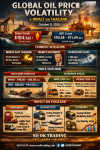
Global Oil Prices, October 9, 2026: Extreme Volatility and Impact on Thailand
By SO OK TRADING
In October 2026, the global oil market stands at a critical turning point. Crude prices have surged to their highest levels of the year, driven by geopolitical tensions and natural disruptions affecting supply worldwide. Brent Crude briefly broke above $104 per barrel before easing slightly, while West Texas Intermediate (WTI) traded within the range of $90.48 – $91.49 per barrel.
This volatility reflects the deep uncertainty in global energy markets, fueled by political, economic, and environmental factors. Key drivers include:
Middle East tensions: Houthi attacks on Saudi Arabia and Riyadh, alongside tanker strikes in the Hormuz Strait — a route that carries 20% of global oil shipments.
President Donald Trump’s statement: Confirming no military action against Iran before the U.S. midterm elections, easing some market panic.
Hurricane Isaias: Shutting down Gulf of Mexico oil platforms, halting production of over 1.3 million barrels per day, or 62.9% of regional output.
In this article, SO OK TRADING explores:
The latest developments in the global oil market
Price outlooks from leading financial institutions
Scenario analysis for the coming week
Direct impacts on Thailand’s economy — from consumers to businesses and government
Follow our in-depth analysis and international trade insights to understand how “High Oil Prices Today = Inflation Tomorrow” will shape the future of Thailand’s economy.
9 Oct 2026
