THAI RICE
Thai Rice 2026 – Turning the Twin Crisis into Golden Opportunities in the Global Premium Market
SO OK TRADING | 19 AUG 2026
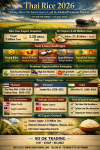
The year 2026 marks a defining challenge for Thai Rice on the global stage, facing a Twin Crisis of a strong baht and severe El Niño. Yet within this crisis lies a “golden opportunity” waiting to be seized.
SO OK TRADING is committed to driving Thai rice into the world’s premium markets under the philosophy FAST • SHARP • RELIABLE.
We recognize the potential of Thai Hom Mali Rice and Carbon-Low Rice, which perfectly align with the growing demand for quality and sustainability in Europe and the United States.
From pressure to opportunity — Thailand is ready to reshape the game through G2G strategies with China and Singapore, expansion into premium markets, and leveraging the surge in global food security demand.
We firmly believe: “Thai Rice is not just a product, but a story of quality and national pride.”
19 ส.ค. 2026
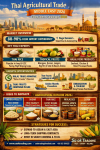
Golden Opportunities for Thai Agricultural Products in the Middle East: Rising Stars & Challenges in 2026
SO OK TRADING | 15 August 2026
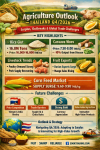
In 2026, the Middle Eastern market remains a treasure trove of opportunities for Thai agricultural products. With 80–90% of food consumption dependent on imports due to limited arable land, the region’s demand for food security continues to surge, positioning Thailand as a key supplier.
At the same time, geopolitical conflicts, regional instability, and strict sustainability standards have emerged as critical challenges, requiring Thai exporters to adapt quickly and strategically.
This article explores:
Thai agricultural products gaining strong momentum in Middle Eastern markets
Key opportunities Thailand can leverage in 2026
Risk factors that demand close attention
And the Outlook for five major agricultural products, reflecting the “Rising Stars & Declining Players” of this challenging year
From tapioca pellets, now a rising star in Saudi Arabia, to sugar, which remains a staple across the region, and the shifting fortunes of Thai rice, molasses, and corn, each product faces unique opportunities and obstacles.
SO OK TRADING stands ready as your trusted partner, helping you clearly identify market trends and build confident export strategies for 2026.
SO OK TRADING — FAST • SHARP • RELIABLE
15 ส.ค. 2026
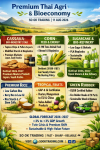
The Future Direction of Thai Agriculture: Towards Premium and Bioeconomy
SO OK TRADING | 11 AUG 2026
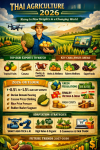
Thailand is entering a new era of agriculture — shifting from “quantity production” to “quality value creation.” This transformation is driven by the development of Premium Products and the advancement of a Bioeconomy that emphasizes sustainability and adherence to global environmental standards
11 ส.ค. 2026
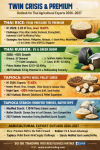
SO OK TRADING Insight — Twin Crisis & Premium Shift: Deep Dive into Thailand’s Agricultural Export Outlook 2026–2027, Transforming Toward High Value : 7 AUG 2026
2026 is truly a “Year of Transition” for Thailand’s agricultural exports
7 ส.ค. 2026
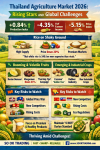
Thailand Agriculture Market 2026 – Rising Stars VS Global Challenges
By SO OK TRADING | 4 June 2026
2026 marks a year of “dual realities” for Thai agriculture.
On one side, production is gradually recovering thanks to favorable weather
4 มิ.ย. 2026
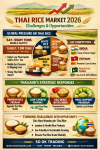
Thai Rice 2026 – The Price War and the Path to Premium Markets
The year 2026 marks a major challenge for “Thai Rice” on the global stage. World rice production has surged to a historic high of 541–556 million tons. India’s aggressive stock clearance at rock-bottom prices has ignited a price war that shakes the global market. Thailand, in response, has had to revise its export target down to 7.0 million tons from the original 7.9 million tons.
Yet within this crisis lies hidden “opportunity.”
Thai Jasmine rice and health-focused rice remain star products in global demand. If Thailand plays the right game — shifting from “selling volume” to “selling value” — premium rice, low-carbon rice, and government-to-government (G2G) trade with China will be the keys.
SO OK TRADING is committed to driving Thai rice beyond the price war and into the global premium market, guided by the philosophy: FAST • SHARP • RELIABLE.
Because we believe: “Thai rice is not just a product, but a story of quality and national pride.”
13 พ.ค. 2026
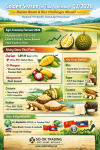
“Golden Season of Thai Fruits: Q2/2026 Agricultural Boom, Durian Surges, Rice Faces Fierce Battles”
30 มี.ค. 2026
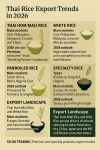
Thai Rice Export Outlook 2026 – Premium Quality, Global Reach
In 2026, Thai rice remains a premium product in global markets, valued for its quality, contribution to food security, and health benefits for consumers. Demand is especially strong in China, Japan, and the Middle East, each with distinct preferences and consumption patterns.
✨ SO OK TRADING is ready to deliver high-quality Thai rice worldwide, leveraging market-specific strategies, sustainability, and value creation beyond price.
This version is concise and impactful — perfect for use as an introductory post on LinkedIn, Facebook, or investor decks.
Would you like me to also craft a short tagline-style version (like a slogan) for quick social media posts?
25 ม.ค. 2026
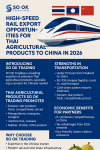
SO OK Trading: Leader in Exporting Fresh Thai Durian to China
With the Thai–Lao–China high-speed rail and advanced Cold-Chain Logistics, we deliver premium-quality fresh durian to Chinese consumers in less than 15 hours. Freshness, rich flavor, and international standards are guaranteed.
Thai Durian — The King of Fruits
- Premium taste loved by Chinese consumers
- Competitive pricing with continuously rising demand
- Guaranteed quality in every fruit, delivered directly from Thai orchards to the Chinese market
Why Choose SO OK Trading
- Expertise in the Chinese market, with deep understanding of consumer behavior and premium fruit trends
- Modern logistics systems that preserve freshness at every stage
- Extensive partner network connecting Thai farmers with major Chinese buyers
- Logistics costs reduced by 50–70%, plus tax incentives from China starting in 2026
SO OK Trading is more than just an exporter — we are your trusted business partner. We deliver premium-quality fresh durian from Thailand to consumers in China and East Asia with stability and sustainability.
15 ม.ค. 2026
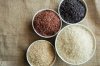
Thai Refined Rice: Premium Quality for Global Markets
Thai rice is globally recognized for its consistent quality and distinctive flavor. It is not only a staple food but also a premium product that appeals to high-end markets. “Refined Rice” emphasizes excellence in variety, cultivation, milling, sorting, and storytelling—making it more than just food, but a cultural experience.
Major Types of Thai Refined Rice
- Thai Hom Mali Rice (Jasmine Rice)
- Long-grain, soft texture, naturally fragrant
- World-renowned reputation
- Main production area: Northeastern Thailand (Thung Kula Ronghai)
- White Rice
- Affordable, widely consumed
- Exported in large volumes
- Parboiled Rice
- Firm grains, resistant to breakage
- Popular in Africa and the Middle East
- Brown Rice / Riceberry
- Health-focused varieties
- Targeted at premium and health-conscious markets
- Glutinous Rice (Sticky Rice)
- Staple food in Northeastern and Northern Thailand
- Used in desserts and traditional dishes
Strengths of Thai Rice
- Consistent quality and taste
- Strong global image and reputation
- GI (Geographical Indication) certification, e.g., Jasmine Rice from Thung Kula Ronghai
- Suitable for premium and health-oriented markets
Key Export Markets
- China
- United States
- Africa (South Africa, Benin, Nigeria)
- Middle East
- ASEAN
5 ม.ค. 2026
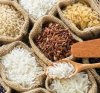
Thai rice primarily refers to the world-renowned Jasmine Rice (Hom Mali), known for its soft texture, sweet taste, and floral pandan aroma, making it a national staple and major export, alongside other varieties like sticky rice (Khao Neow) for the Northeast, and essential for dishes like Thai fried rice (Khao Pad).
Key Types of Thai Rice
Jasmine Rice (Khao Hom Mali): The iconic long-grain rice, soft and fragrant when cooked, often with a pandan scent, used widely in Thai cuisine.
Glutinous Rice (Khao Neow/Sticky Rice): Opaque, milky, shorter grains that become very sticky and sweet when cooked, popular in Northern and Northeastern Thailand.
Long Grain White Rice (Khao Jao): A plain, grainy rice common in Central Thailand, great for absorbing sauces.
Whole Grain Rice (Khao Glong): Unhusked rice (brown, red, etc.) rich in nutrients, fiber, and vitamins.
27 ธ.ค. 2025

ข้าวไทยมีความหลากหลายสูง เป็นพืชเศรษฐกิจสำคัญ มีหลายประเภท เช่น ข้าวหอมมะลิ (หอม นุ่ม) ข้าวเหนียว (เหนียวหนึบ) ข้าวขาว (หุงง่าย) และข้าวเพื่อสุขภาพ (สีนิล, ไรซ์เบอร์รี่, สังข์หยด, ข้าวกล้อง) ซึ่งแต่ละพันธุ์มีคุณค่าทางโภชนาการ กลิ่น รส และสัมผัสแตกต่างกันไป ตั้งแต่อดีตจนถึงปัจจุบัน ข้าวไทยผูกพันกับวัฒนธรรมประเพณีและเป็นมรดกทางอาหารของชาติ.
ประเภทหลักของข้าวไทย
ข้าวหอมมะลิ: มีกลิ่นหอมคล้ายใบเตย นุ่ม (เช่น หอมมะลิ 105, หอมมะลิทุ่งกุลาร้องไห้).
ข้าวเหนียว: สำหรับทำขนมและอาหารเหนียว (เช่น ข้าวเหนียวเขี้ยวงู, กข 6).
ข้าวขาว: ข้าวเจ้าทั่วไปที่นิยมบริโภค (เช่น ข้าวเสาไห้, เจ๊กเชย).
ข้าวเพื่อสุขภาพ/ข้าวไม่ขัดสี: มีสารต้านอนุมูลอิสระสูง (เช่น ข้าวไรซ์เบอร์รี่, ข้าวสังข์หยด, ข้าวสินเหล็ก, ข้าวหอมนิล, ข้าวกล้อง).
ตัวอย่างสายพันธุ์ข้าวไทยยอดนิยม
ข้าวหอมมะลิ 105: เมล็ดเรียวยาว หอม นุ่ม.
ข้าวไรซ์เบอร์รี่: เมล็ดสีม่วงเข้ม คุณค่าสูง.
ข้าวสังข์หยดพัทลุง: ข้าวกล้องสีแดง มีประโยชน์สูง.
ข้าวเหนียวลืมผัว: ข้าวเหนียวดำ มีกลิ่นหอม รสชาติอร่อย.
ข้าวสินเหล็ก: มีธาตุเหล็กสูง ลดการอักเสบ.
ข้าวเสาไห้: ข้าวเจ้าที่หุงขึ้นหม้อ นุ่ม.
17 ธ.ค. 2025

ข้าวไทยมีความหลากหลายทั้งในด้านพันธุ์และการปลูก โดยเฉพาะข้าวหอมมะลิที่มีชื่อเสียงระดับโลก.
ประเภทของข้าวไทย
ข้าวหอมมะลิ: เป็นพันธุ์ข้าวที่มีชื่อเสียงที่สุดของไทย มีลักษณะกลิ่นหอมและเนื้อสัมผัสนุ่ม เหมาะสำหรับการบริโภคในครัวเรือนและการส่งออก.
ข้าวไรซ์เบอร์รี่: เป็นข้าวที่มีสีม่วงเข้ม มีคุณค่าทางโภชนาการสูง และได้รับการพัฒนาจากการผสมพันธุ์ระหว่างข้าวเจ้าหอมนิลและข้าวหอมมะลิ 105.
ข้าวเหนียว: เป็นข้าวที่นิยมในภาคตะวันออกเฉียงเหนือของไทย มีลักษณะเหนียวและมักใช้ในการทำขนมหวาน.
ข้าวสังข์หยดพัทลุง: เป็นข้าวที่มีลักษณะพิเศษและมีชื่อเสียงในพื้นที่ภาคใต้.
ข้าวหอมมะลิ 105: เป็นพันธุ์ข้าวที่มีคุณภาพสูงและนิยมปลูกในหลายพื้นที่.
ประวัติและความสำคัญ
ข้าวไทยมีประวัติศาสตร์ยาวนาน โดยมีการปลูกข้าวในประเทศไทยมาตั้งแต่สมัยโบราณ มีหลักฐานการปลูกข้าวที่พบในพื้นที่ต่าง ๆ เช่น ถ้ำปุงฮุง จังหวัดแม่ฮ่องสอน ซึ่งแสดงให้เห็นว่ามีการปลูกข้าวในบริเวณนี้เมื่อประมาณ 3,000-3,500 ปีก่อนคริสต์ศักราช.
thairice.org
การปลูกข้าว
การปลูกข้าวในไทยมีความหลากหลายตามภูมิภาคและสภาพภูมิอากาศ โดยมีการพัฒนาพันธุ์ข้าวที่เหมาะสมกับสภาพแวดล้อมและความต้องการของตลาด. ข้าวไทยไม่เพียงแต่เป็นอาหารหลักของประชาชน แต่ยังเป็นสินค้าส่งออกที่สำคัญของประเทศอีกด้วย.
9 ธ.ค. 2025
