“Thailand Agriculture Q4/2569: Riding Global Economic Waves — From Risks to New Opportunities | SO OK TRADING In‑Depth Analysis”
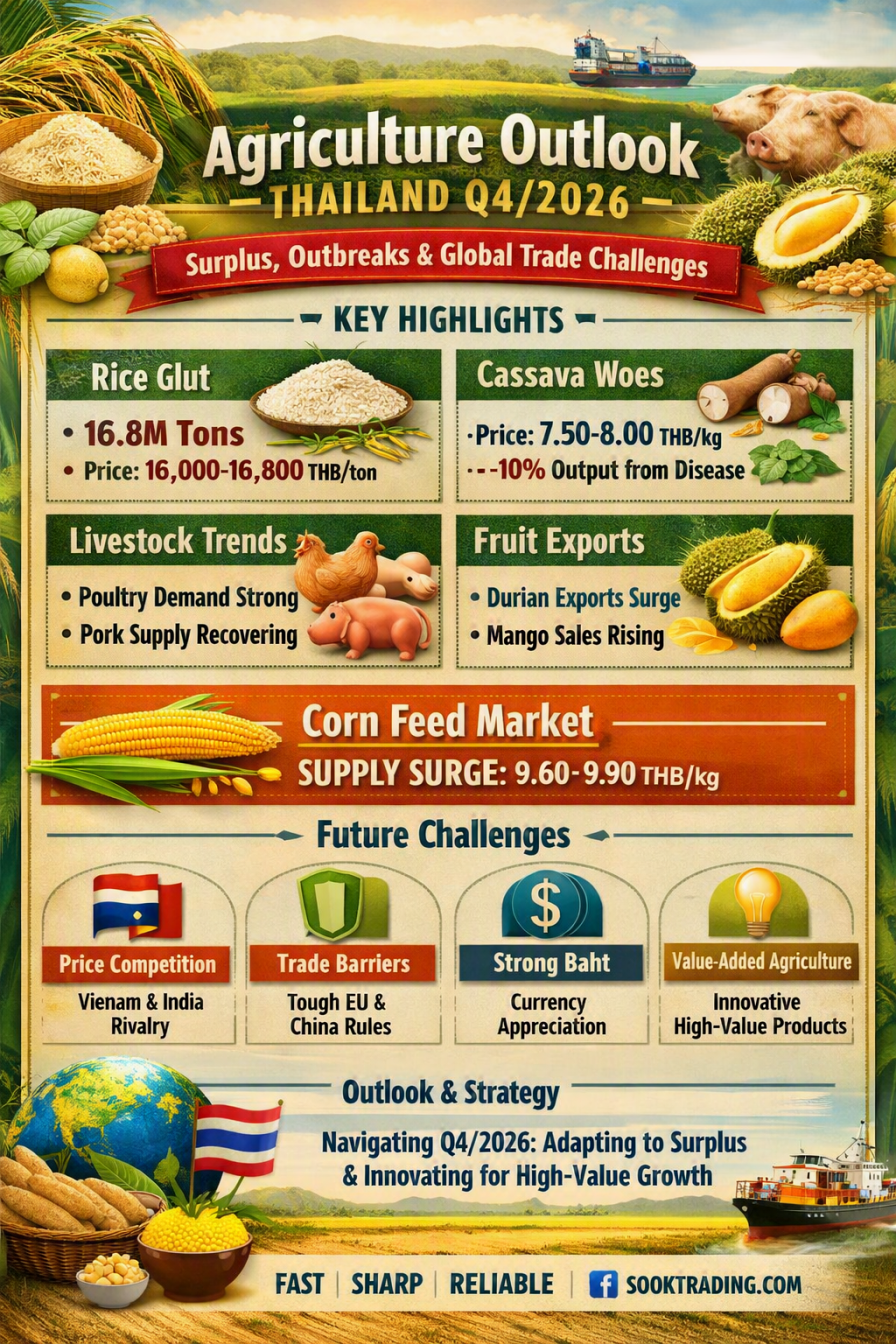
Thailand Agricultural Outlook Q4/2026
SO OK TRADING | September 17, 2026 “Thai Agriculture on a Challenging Path: Oversupply – Epidemics – Global Trade”
Introduction
The fourth quarter of 2026 marks a critical turning point for Thailand’s agricultural sector. Although the overall agricultural GDP is expected to grow by 2.0–3.0% this year, supported by increased water resources and global food demand, the end of the year is fraught with risks: concentrated crop output, plant disease outbreaks, and foreign trade barriers.
1. Major Crops and Economic Commodities
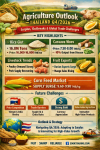
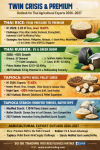
Rice (main crop & jasmine rice): Over 16.8 million tons will flood the market in November, pushing prices down to 16,000–16,800 THB/ton. Farmers rely on delayed selling measures to stabilize prices.
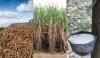
Cassava: Prices remain high at 7.50–8.00 THB/kg, driven by demand from China and the Middle East. However, production has dropped by 10% due to mosaic disease and shortages of quality cuttings.
Palm Oil: Despite increased supply, demand from biodiesel and Indonesia supports farm-gate prices above 8 THB/kg.
Sugar: Cane output rises 6.3%, but industry revenue risks contraction as global sugar prices fall by 14%.
2. Livestock and Fisheries
Broilers & Eggs: Continued growth driven by year-end festive demand and processed products.
Swine: Farm-gate prices are recovering thanks to disease control, but feed costs remain a burden.
Fisheries: White shrimp (vannamei) and tilapia show improvement with better water conditions.
3. Key Export Fruits
Durian: China remains a strong market, with exports surpassing 1 million tons. Fresh durian prices face pressure from Vietnam, averaging 90 THB/kg, while frozen durian continues to grow in Europe and the U.S.
Mango & Mixed Fruits: Focus on off-season mangoes and processed fruits, leveraging live commerce strategies in China and South Korea to clear inventory and secure forward contracts.
4. Feed Corn
Supply peaks between October and December.
Livestock demand remains strong, though some factories shift to alternative raw materials.
Prices hold steady at 9.60–9.90 THB/kg, while moist corn sells at 7.00–7.50 THB/kg.
Future Outlook
Price Competition: Thai rice and durian face mounting pressure from Vietnam and India.
Trade Barriers: The EU and China are tightening environmental and phytosanitary standards, requiring Thailand to accelerate production upgrades.
Currency Impact: Continued baht appreciation could erode export competitiveness.
Export Structure: Thailand is transitioning from “primary agriculture” to “high-value agriculture and food innovation” to enhance value and reduce volatility risks.
Conclusion
Q4/2026 is a crucial test for Thai agriculture. Oversupply is weighing on prices, yet cassava and durian continue to enjoy strong demand from China and global markets. Trade barriers and currency appreciation remain key challenges. Moving toward high-value agriculture and food innovation is essential for sustaining competitiveness and long-term resilience on the global stage.
SO OK TRADING — Your Trusted Business Partner ✨ FAST | SHARP | RELIABLE www.sooktrading.com Facebook: SO OK TRADING