“Navigating the Future of Thai Agriculture 2026–2027: From Fields to Global Premium, Green, and Bioeconomy” SO OK TRADING | 11 AUG 2026

The Future Direction of Thai Agricultural Products: Towards Premium and Bioeconomy
SO OK TRADING | 11 AUG 2026
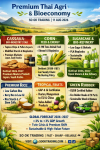
Cassava: Rising Star of the Bio-Industry
Tapioca Chips: Used as a major animal feed and ethanol raw material, exported to China as a substitute for corn.
Tapioca Pellets: Produced from chips to increase density and reduce shipping costs, expanding markets to the Middle East.
Thai Trend: Moving towards high-value products such as modified starch and bioplastics.
Outlook 2026–2027: Thailand faces mosaic disease and reduced yields, pushing prices higher. Exports focus on premium tapioca pellets and new markets in Japan and Saudi Arabia.
Corn: Core for Feed and Energy
Animal Feed: Demand reaches 8–9 million tons per year, but domestic production is only 4–5 million tons. Imports from Myanmar and cassava substitution are required.
Energy & Processing: Used for ethanol, corn starch, and bioplastics.
Consumption: Sweet corn and baby corn exported as canned and frozen products; sticky corn developed into new varieties for added value.
Clean Supply Chain: Enforced traceability standards, no burning, and by-products converted into biomass and fertilizer.
Outlook 2026–2027: Global oversupply pressures prices, but Thailand benefits from low-carbon policies and traceability.
Sugarcane & Sugar: Driving the Bio-Refinery
Food & Beverage: Low-sugar trends and sugar taxes drive health-oriented products such as prebiotic sugar and low-GI sugar.
Renewable Energy: Molasses used for ethanol, bagasse for biomass power generation.
High-Value Bio Products: PLA bioplastics, biochemicals, and extracts for pharmaceuticals and cosmetics.
Clean Production: Promoting fresh-cut harvesting, no burning, and Bonsucro certification for exports.
Outlook 2026–2027: Global market tightens due to climate volatility; Thailand advances towards Green Industry and Bio-Refinery.
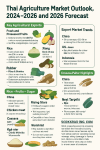
Thai Fruits: From Mass Market to Luxury
Premium Market: GAP/GI standards for durian, mangosteen, and mango exports to China and Europe.
Transport Innovation: Express service and blast-freeze technology to preserve freshness.
Value-Added Processing: Off-grade fruits transformed into concentrated extracts, dried fruits, and functional foods.
Thai Rice: From Staple Food to Health & Beauty
Health & Beauty: Rice starch, rice stem cells, and high-value extracts.
Low-Carbon Rice: Cultivation methods that reduce greenhouse gas emissions, targeting developed markets.
Premium Rice: Riceberry, low-GI varieties, and GI-protected Thai jasmine rice.
Natural Rubber: Green Innovation and Global Standards
EUDR Standards: Traceable production without deforestation.
Smart Green Global: Substituting synthetic rubber, developing rubberized roads, medical devices, and EV components.
Rubber Wood: Used for eco-friendly furniture and clean biomass energy.
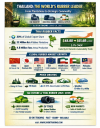
Outlook for Thai Agriculture 2026–2027
Agricultural GDP expected to grow 2.0–3.0% from improved yields.
Global markets face Twin Crisis (costs and price competition) and Premium Shift (high-value products and green standards).
Thailand must adapt to sustainable production and high-value products to maintain competitiveness.
✨ Conclusion: Towards a Premium and Sustainable Future
Despite challenges from rising costs and global competition, new opportunities are emerging through adaptation to high-value products, global environmental standards, and the bioeconomy. The shift from “quantity to quality” is the path for Thailand to sustain leadership in global markets while ensuring long-term economic and environmental sustainability.
SO OK TRADING: Your Trusted Business Partner SO OK TRADING: FAST • SHARP • RELIABLE VISIT US AT: WWW.SOOKTRADING.COM FACEBOOK: SO OK TRADING