BIO ENERGY (WOOD CHIP) Green Energy, Future Trend on carbon credit
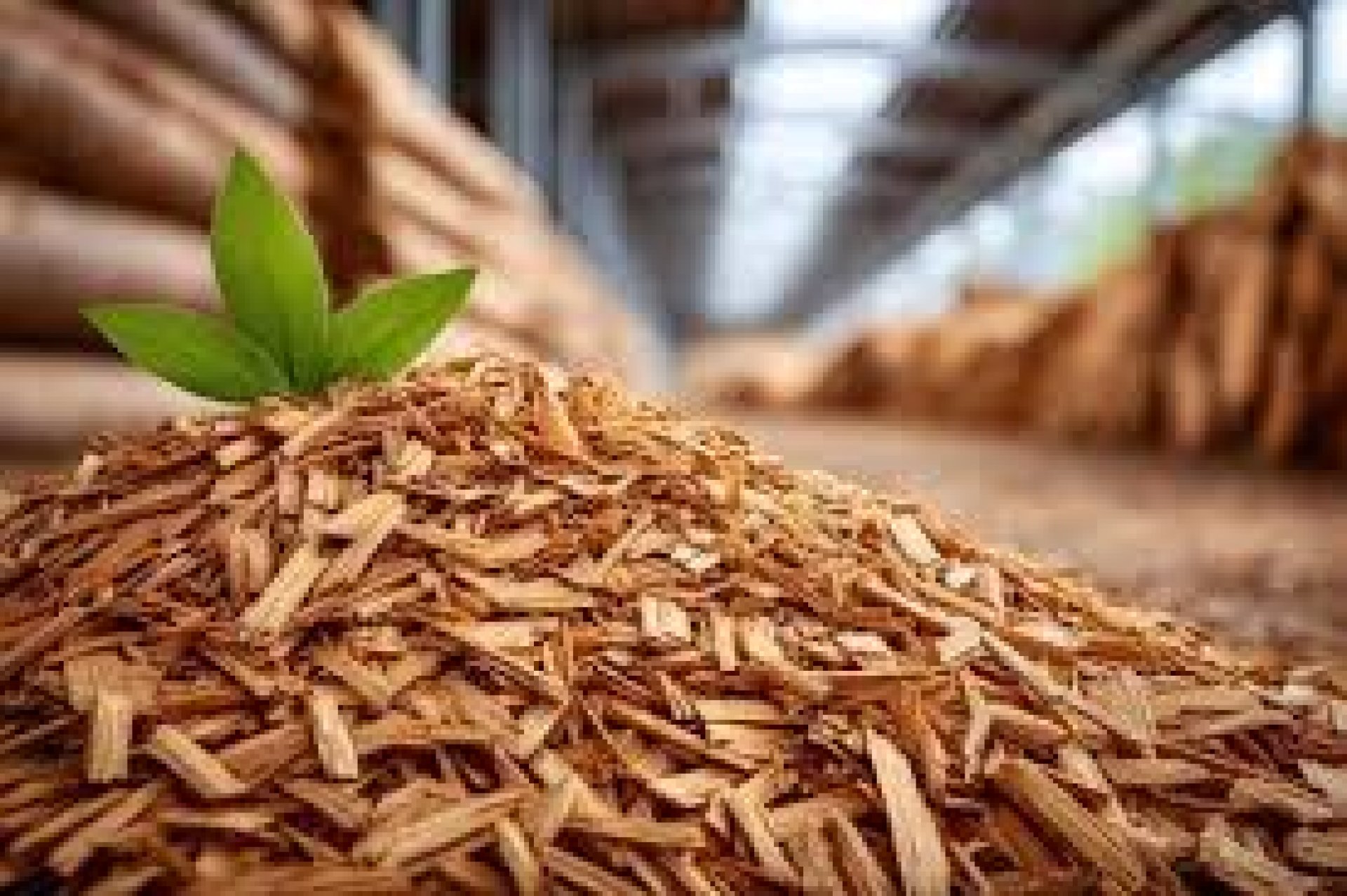
Wood Chip Usage in Thailand
In Thailand, wood chips and pellets are a significant renewable energy source, primarily used in industrial boilers to replace fossil fuels like coal, sourced from agricultural waste (rubberwood, bagasse, rice husks) and fast-growing trees, with the government promoting usage through incentives, though challenges like moisture control, production cost, and supply chain logistics persist for maximizing this sustainable energy transition.
Key Uses & Sources
Industrial Boilers: Wood chips and pellets are used as fuel in factories for heat and power, often mixed with coal or as a complete substitute.
Biomass Power Plants: These plants use various biomass, with wood chips and rubberwood making up a portion of the feedstocks, alongside other agricultural residues.
Feedstock Sources: Common materials include rubberwood, cassava stems, rice husks, sugar cane leaves, and fast-growing trees like Acacia.
Advantages & Benefits
Fossil Fuel Replacement: Reduces reliance on coal and oil, lowering greenhouse gas emissions.
Waste-to-Energy: Utilizes agricultural byproducts and residues, turning waste into valuable energy.
High Efficiency: Pellets offer high density, low moisture, and consistent quality for efficient combustion.
Challenges & Considerations
Moisture Content: High moisture in raw chips (especially during rainy seasons) increases costs for drying and reduces efficiency.
Production Costs: High costs for production and machinery (often imported) can hinder expansion.
Supply Chain: Managing seasonal fluctuations in agricultural supply and ensuring consistent quality remain key issues.
Government Support
Incentives: The Thai government supports using wood pellets for heat by subsidizing boiler upgrades for factories.
Promotion: Encourages fast-growing tree plantations to secure feedstock for domestic use and export.
Future Trend of Wood Chip Usage in Thailand
The future trend of wood chip usage in Thailand is strongly positive, primarily driven by the biomass energy sector for both domestic use and export, as well as continued use in the pulp and paper industry. Key factors shaping this trend include:
Key Drivers
Government Policies and Renewable Energy Targets: The Thai government actively promotes biomass as a renewable energy source to reduce greenhouse gas emissions and enhance energy security, as outlined in plans like the Alternative Energy Development Plan (AEDP2015).
Cost-Effectiveness: Wood chips and the pellets made from them are a cheaper alternative to imported fossil fuels for industrial heat production.
Abundant Raw Materials: Thailand has a consistent, year-round supply of biomass feedstock from agricultural waste (like rice husks and bagasse) and fast-growing trees such as rubberwood, eucalyptus, and acacia, which are ideal for wood chip production.
Strong Export Demand: There is significant and growing international demand for wood pellets, especially from Japan and South Korea, where they are used for electricity production to meet renewable energy targets. Thailand's exports of wood pellets reached 700,000 tons in 2023, accounting for 58% of total production.
Usage Trends
Biomass Power Generation: The primary growth area is in the use of wood chips and pellets as fuel for biomass power plants, with a projected surge in domestic demand.
Industrial Heat Production: More industrial boilers are expected to switch from fuel oil and firewood to wood pellets and chips due to cost and efficiency benefits.
Pulp and Paper Industry: Wood chips remain a critical raw material for the pulp industry, with a potential shift towards higher-quality hardwood chips like Eucalyptus to improve efficiency and product quality.
Challenges and Opportunities
Certification Requirements: Meeting international sustainability standards, such as the Forest Stewardship Council (FSC) certification required by key export markets like Japan, remains a challenge for small-scale Thai producers.
Technological Advancements: The industry is seeing a trend toward more intelligent and energy-efficient production lines to increase output and reduce consumption.
Supply Chain Management: While feedstock is abundant, efficient logistics and supply chain management, especially for sourcing from smallholders and aggregating materials, needs continuous improvement.
Overall, the outlook is for a robust and expanding wood chip and pellet market in Thailand, positioning the country as a major player in the Asian bioenergy trade
------
if you have demand on wood chip in Thailand or other country ,Please don't hesitate to let SO OK TRADING know, We can support on supply of woodchip with reliable quality and competitive price