Non Ferrous Scrap
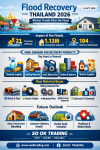
泰国洪灾形势 2026年10月 —— 洪水退去后的复苏市场与趋势
SO OK TRADING | 2026年10月10日
泰国目前正面临一场影响全国超过300万人的大规模洪灾。尽管部分地区的水位已逐渐下降,但经济与产业的损失仍在持续。洪水退去后的复原工作,已成为政府、企业与社会必须共同承担的重要任务。
从商业角度来看,SO OK TRADING 分析认为,“洪水退去之后”将成为泰国市场的重要转折点。需求将从生活必需品转向复原、修缮与替代产品,并在短期至中期推动经济发展,同时对原材料与机械产业产生直接的积极影响。
10 Oct 2026
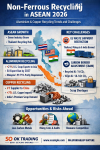
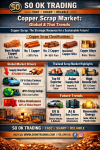
2026年东盟非铁金属回收现状
SO OK TRADING | 2026年10月10日
2026年,世界正全面进入“循环经济”时代
10 Oct 2026
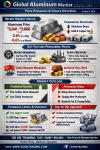
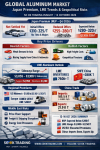
全球铝市场趋势:价格压力因素与未来走向(2026年10月)
伦敦金属交易所(LME)铝期货价格单日暴跌超过2.6%,过去一个月累计下跌近10%。这反映了宏观因素与供需结构的双重压力。与此同时,黄金、铜和锌等其他金属价格仍在上涨,这一现象被称为 “Fundamental Decoupling(基本面脱钩)”。
此次调整不仅是短期信号,更体现了工业金属市场的结构性变化。尤其是铝,正面临 供应快速恢复与新增产能释放 的压力,而中国需求并未如预期般回暖。
本文将深入分析影响价格的 宏观因素、供应与需求,并探讨 技术面支撑与阻力位。同时提出长期视角下的 “逢低买入(Buy on Dip)”机会,为需要原材料的企业提供参考。
9 Oct 2026
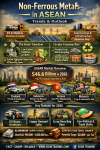
泰国与东盟非铁金属应用趋势
SO OK TRADING|2026年10月8日
2026年,全球正进入金属产业的“结构性转型期”。尤其是非铁金属(Non-Ferrous Metals),包括铝、铜、锌、锡和镍,已成为推动绿色经济与未来科技发展的核心力量。
泰国作为东盟地区的下游制造中心(Downstream Hub),正在加速发展电动车(EV)、清洁能源和数字基础设施产业。这些金属已成为支撑全球经济增长的“战略性原材料”。
与此同时,东盟也正在从传统的“原材料出口国”转型为全球战略枢纽(Global Strategic Hub)。通过碳中和政策、循环经济(Circular Economy)以及对先进技术的投资,东盟正致力于构建长期可持续的发展模式。
本文由 SO OK TRADING 撰写,将深入解析泰国与东盟非铁金属市场的关键趋势——从电动车与清洁能源的崛起,到企业如何应对供应冲击(Supply Shock),再到循环供应链(Circular Supply Chain)的构建,这些都正在成为全球金属产业未来的“关键所在”。
SO OK TRADING:FAST • SHARP • RELIABLE
您在新时代金属产业中的最佳商业伙伴
8 Oct 2026
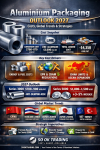
《2027年铝包装市场展望:转换成本与全球市场趋势》
SO OK TRADING|2026年10月8日
引言
2027年,铝包装产业将迎来重大转折点。随着世界迈向 循环经济 (Circular Economy),环境法规日益严格,再加上能源成本飙升与中国产能限制,饮料罐与食品包装用 铝卷材 (Aluminium Coil) 的需求持续增长。
作为 非铁金属与铝包装领域的商业伙伴,SO OK TRADING 提供以下深度洞察:
转换成本趋势:780–870 美元/吨
LME 铝价预测:预计达到 3,000 美元/吨
采购战略重点:积极应对绿色溢价 (Green Premium) 与碳边境调节机制 (CBAM)
本文将深入解析全球市场格局、系列产品采购策略(3000 / 5000),以及中国与东盟主要制造商的最新动态,帮助企业在竞争与可持续发展的时代做好准备。
SO OK TRADING — FAST • SHARP • RELIABLE
来自泰国的 非铁金属与铝包装行业真正领导者
8 Oct 2026
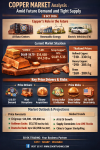
《未来金属·铜:需求激增与供应紧缩(2026年10月)》
✨ 引言
铜(Copper)已成为本十年最具战略意义的金属之一,在推动全球经济转型中发挥着关键作用。无论是 人工智能数据中心(AI Data Centers)、可再生能源基础设施,还是 电动汽车(EV)驱动系统,高纯度铜都是不可或缺的核心材料。
在全球供应紧张的背景下,智利和秘鲁矿山的停产以及中国的矿业整合,使得铜价持续走高。包括 高盛(Goldman Sachs)、花旗集团(Citigroup)、德意志银行(Deutsche Bank) 在内的国际金融机构,均将铜视为 “未来的战略资产”。
8 Oct 2026
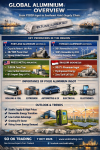
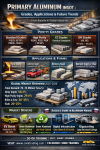
亚洲主要生产商的角色与全球铝市场概览
从原材料 P1020 到泰国及亚洲地区的产业链
SO OK TRADING :2026年10月7日
在当今由清洁能源与可持续发展驱动的全球经济中,“铝”已成为战略性金属,在包装、汽车、能源和电子产业等各个领域发挥着重要作用。尤其是 P1020 铝锭(纯度99.7%),被视为决定整个供应链质量的关键原材料。
本文将深入分析区域内主要生产商的最新动态:
Portland Aluminium 与 Tomago Aluminium(澳大利亚) —— 全球生产基地,正在复苏并加速向可再生能源转型
Press Metal(马来西亚) —— 东盟增长最快的低碳铝生产中心
INALUM(印尼) —— 利用水力发电生产的高端铝锭,并与泰国供应链紧密连接
同时,我们将探讨全球铝产业的 前景与发展方向,展示“供应稳定性 + 环境可持续性”的新时代如何为泰国企业在全球市场中创造战略优势。
SO OK TRADING :FAST | SHARP | RELIABLE
来自泰国的非铁金属专家
7 Oct 2026
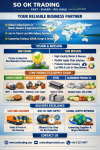
FAST • SHARP • RELIABLE
「SO OK TRADING:值得信赖的商业伙伴」
6 Oct 2026
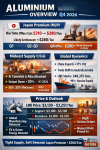
全球铝市场第4季度(2026):日本溢价 (MJP) 在供应压力下的走势
SO OK TRADING | 2026年10月6日
2026年进入第4季度,全球铝市场正处于关键转折点。日本溢价(Main Japan Premium – MJP)的最终价格尚未敲定,买卖双方仍在谨慎谈判之中。
尽管电动车(EV)和清洁能源产业的结构性需求依然强劲,但市场却面临着中东地区供应紧缩与亚洲需求疲软的双重压力,使得 MJP 的最终结算价很可能跌破 280美元/吨。
与此同时,中国加快生产步伐,出口同比增长超过17%,在一定程度上填补了中东供应缺口。全球市场因此进入一种“高位但脆弱的平衡”——价格仍维持在高位,但买方的采购态度更加谨慎。
本报告由 SO OK TRADING 发布,将深入解析:MJP 谈判现状、中东供应危机、中国的应对措施、LME 市场走势,以及对亚洲产业的影响。
✨ FAST. SHARP. RELIABLE.
SO OK TRADING —— 来自泰国的有色金属与铝业真正合作伙伴
6 Oct 2026
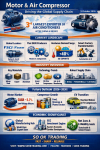
泰国电机与空压机 —— 驱动全球经济的力量
SO OK TRADING | 2026年10月5日
泰国正处于全球战略要地,作为仅次于中国和墨西哥的世界第三大空调出口国,其核心在于“电机”和“压缩机”,它们是支撑全球冷却系统与相关产业的心脏
5 Oct 2026
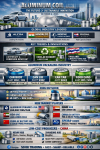
铝卷2026:迈向可持续与创新新时代
SO OK TRADING | 2026年10月4日
在2026年,铝卷产业(Aluminum Coil) 正迎来全球性的重大转折。随着技术革新、循环再生以及可持续发展的推进,全球主要制造商纷纷加快布局,以满足在电动汽车(EV)、现代建筑以及环保包装领域日益增长的需求。
从 Alcoa、Hindalco、Norsk Hydro、Rusal 等国际巨头,到 Aluminum Dynamics、EGA、Speira 以及中国的新兴制造商——各家公司都在通过 人工智能(AI)、自动化系统以及再生铝材的利用,打造轻量、坚固并且低碳排放的新型材料。
泰国依然是东盟地区的重要生产基地,闭环回收(Closed-Loop Recycling) 项目能够在短短60天内将废旧铝罐再生为新罐,节省高达95%的能源。
铝包装产业已成为新时代增长的核心,从饮料罐到食品包装,广泛采用 3004、3104、5182、5052 等特殊合金,既保证了强度,又确保了使用安全。
在全球迈向可持续发展的进程中,SO OK TRADING 始终坚守作为值得信赖的商业伙伴,持续为客户提供高质量的解决方案与深度洞察。
SO OK TRADING — FAST • SHARP • RELIABLE
4 Oct 2026
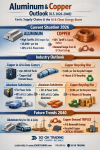
美国铝与铜的使用现状与趋势:成本、供应链,以及人工智能与清洁能源的驱动
SO OK TRADING|2026年10月4日
在科技与清洁能源迅速改变世界的时代,美国正面临战略性金属——铝(Aluminum)和铜(Copper)供应链的巨大压力。这两种金属不仅是工业的重要原材料,更是未来创新的“核心”,从电动汽车(EV)到人工智能数据中心,再到可再生能源系统,都离不开它们的支撑。
进口关税、供应紧张以及国际资源竞争,正在对全球金属产业造成强烈冲击,尤其是美国,为了维持经济与技术的稳定,必须进行重大调整。
本文将深入探讨:
美国铝与铜市场的现状
AI与清洁能源时代的投资与应用方向
未来的回收利用与材料替代趋势
以清晰呈现这两种金属如何成为新世界经济的“支柱”。
4 Oct 2026
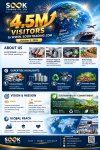
SO OK TRADING CO., LTD.
2026年10月3日 — 全球突破450万访问量 WWW.SOOKTRADING.COM
FAST • SHARP • RELIABLE
3 Oct 2026
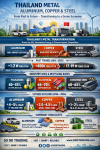
泰国金属展望2036:铝、铜与钢
SO OK TRADING|2026年10月3日
泰国正迎来金属产业的重大转折点,驱动力来自于电动汽车(EV)、可再生能源以及快速发展的绿色经济。
本文深入探讨了铝、铜和钢这三种核心金属,它们是未来十年推动泰国工业发展的关键。文章分析了使用趋势、增长率(CAGR),以及产业如何适应可持续发展的要求。
3 Oct 2026
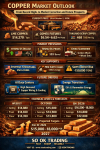
全球铜价走势分析|2026年10月2日:SO OK TRADING
2026年是全球金属市场的转折之年,尤其是“铜”,已成为新时代经济的核心。受 AI数据中心 的快速扩张和 能源转型(清洁能源) 的推动,铜价一度飙升至历史新高。然而在10月初,由于美元走强、原油价格上涨以及中国经济放缓,市场进入了短期调整阶段。
尽管短期存在压力,但结构性因素依然强劲 —— 美国与中国的战略性囤积,以及科技与清洁能源领域对铜的持续需求,使得铜仍然是“战略金属”,映射出全球经济中的风险与机遇。
SO OK TRADING 提供全面深入的分析,涵盖 当前形势、市场前景与技术评估,帮助您清晰把握全球铜市场的全貌 —— 从历史高点到调整期,再到未来依然“火热”的趋势。
2 Oct 2026
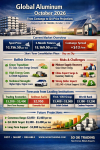
全球铝市场展望 2026年10月 — SO OK TRADING 分析
全球铝市场(LME)在经历了上季度的强劲上涨后,正进入“短期调整阶段”。最新现货价格为 3,156.50 美元/吨,三个月期货价格为 3,169.50 美元/吨,价差 +13 美元,清晰地反映出 Contango(期货升水) —— 表明市场供应充足,暂时没有出现抢购现象。
尽管价格已回落至 3,170 美元/吨,整体仍被视为“为上升趋势积蓄力量的调整(Buy on Dip)”。其背后原因是结构性供应不足(Structural Deficit),以及 绿色转型(Green Transition) 带来的需求增长,例如电动车(EV)、太阳能和可再生能源基础设施。
本次分析将深入探讨 利好因素与风险因素、全球主要金融机构的观点,以及 2026年第四季度的价格前景,帮助企业和投资者在“强劲但波动”的市场中制定更有信心的采购策略。
1 Oct 2026
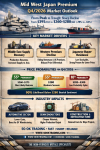
深度分析 : Mid West Japan Premium (MJP) Q4/2026
大幅下跌与采购策略
日本铝市场(Mid West Japan Premium – MJP)在2026年第四季度迎来关键转折点。上一季度价格曾创下十年来的最高纪录 $395/mt,而10月至12月的合同谈判则清晰地显示出市场方向的反转 —— 从 卖方市场 (Seller’s Market) 完全转向 买方市场 (Buyer’s Market)。
随着中东地区供应恢复、欧洲和美国的溢价下降,以及日本买方的强硬谈判压力,价格预计将大幅下跌 29–34%,收敛至 $260–$280/mt 区间。这一变化反映出买方谈判力在近年来最为显著的结构性转变。
在本次分析中,SO OK TRADING 将带您深入剖析市场的各个维度 —— 从主要驱动因素、精准的价格预测,到对 汽车、半导体和建筑 行业的影响,帮助采购方在2026年底前制定稳健的成本策略。
✨ SO OK TRADING – FAST | SHARP | RELIABLE
作为深谙金属市场的商业伙伴,我们提供战略性洞察,助您做出精准决策。
30 Sept 2026
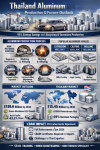
泰国铝工业:结构、生产与未来趋势
SO OK TRADING|2026年9月30日
泰国铝工业正在逐渐成为全球供应链中的关键环节,尤其在 汽车、建筑和包装 等领域发挥着重要作用。尽管泰国没有铝土矿和初级冶炼厂,但通过 二次生产(Secondary Production) 建立了强大的竞争力。依靠铝废料的回收再利用以及铝锭(Billet)的生产,与传统的原生铝生产相比,能源消耗可减少高达 95%,这与全球脱碳化和可持续发展的趋势高度契合。
当今世界正加速迈向 低碳经济(Low‑Carbon Economy),并实施更严格的环保措施,例如欧盟的 CBAM(碳边境调节机制)。在此背景下,泰国铝工业必须迅速转型,包括生产技术创新、废弃物管理优化以及可再生能源的应用,以保持在国际市场中的竞争力。
作为泰国非铁金属领域值得信赖的商业伙伴,SO OK TRADING 致力于提供关于 生产结构、冶炼流程、主流铝合金牌号以及全球与泰国市场前景 的深度洞察,展现这一产业向 可持续与高附加值未来 转型的过程。
30 Sept 2026
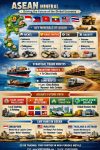
东盟:未来全球经济的矿产宝库
SO OK TRADING | 2026年9月30日
东南亚(ASEAN)正受到全球瞩目,被誉为“新时代的矿产宝库”,为未来世界经济提供关键动力。从镍、铜、锡、铝土矿到稀土——这些资源都是清洁能源、电动汽车(EV)和高端技术产业的核心。
在各大国争夺战略性金属供应链的背景下,东盟正逐步从单纯的原料出口国转型为“关键角色”。通过投资冶炼厂、电池生产基地,以及连接中国与印度的物流网络,东盟正在崛起为“全球金属供应链的心脏”。
本文将深入探讨:
正在改变全球经济格局的东盟主要矿产资源
推动矿产贸易的战略性物流通道
大国投资趋势与绿色经济转型
东盟作为“全球金属供应链核心”的新角色
✨ SO OK TRADING — 您在非铁金属领域的可靠合作伙伴
FAST | SHARP | RELIABLE
30 Sept 2026
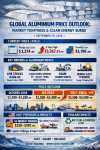
全球铝市场概况与趋势(2026年9月末)
SO OK TRADING : 2026年9月29日
从结构性紧张走向清洁能源时代的新价格基准
✍️ 引言
截至2026年9月末,全球铝市场依然维持在高位,价格在 3,240–3,260美元/吨 区间波动。这反映了全球供应的结构性紧张以及清洁能源需求的快速增长。铝工业正处于关键转折点——从传统工业金属转型为支撑未来的“战略性金属”,推动电动车、太阳能、风能以及AI数据中心的发展。
尽管受到中国经济放缓和美联储加息预期的短期压力,但中长期趋势依然保持稳健上行。预计在2027–2033年间,受清洁能源需求和碳成本上升的推动,铝价将形成新的高位价格基准。
29 Sept 2026
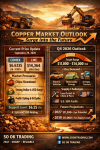
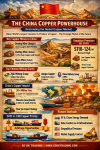
在全球迈向清洁能源与未来科技的时代,“铜” 已成为真正驱动世界经济的战略金属。
而中国——世界最大的铜消费国和冶炼国——正逐渐成为决定铜价与全球供应链走向的核心。
从江西省的德兴矿到安徽省的查亭矿,中国已经建立了亚洲最具影响力的铜业帝国。
同时,通过 紫金矿业(Zijin Mining)、江西铜业(Jiangxi Copper)、中国铁建(CREC) 等矿业巨头,中国不断扩展其全球影响力,从刚果到南美洲均有投资布局。
与此同时,扬山溢价(Yangshan Premium) 在近几年飙升至历史高位,清晰地反映出中国国内对实物铜的真实需求,以及全球市场供应的紧张局面。
因此,中国不仅仅是“买家”,更是 21世纪全球铜市场的“游戏规则制定者”。
28 Sept 2026
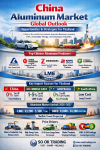
中国:“全球铝业霸主”
China: The Global Aluminum Powerhouse — SO OK TRADING|2026年9月28日
在全球迈向清洁能源与未来科技的时代,铝已成为最重要的战略金属之一。它在电动汽车(EV)、可再生能源基础设施、航空航天产业以及绿色包装等领域发挥着不可或缺的作用。
中国作为全球最大的铝生产和出口国,占据了全球产量的一半以上。同时,中国也是先进制造技术的核心中心。因此,中国被誉为 “全球铝业霸主(Global Aluminum Powerhouse)”,直接决定着国际市场的走向。
本篇文章由 SO OK TRADING 撰写,将深入解析中国铝市场的全貌:从生产结构、主要企业、价格参考体系,到2026–2027年的价格趋势,并为泰国企业在成本管理与风险控制方面提供战略性机遇。
SO OK TRADING — FAST • SHARP • RELIABLE
战略金属世界中的可靠商业伙伴
28 Sept 2026
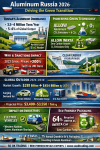
在全球加速迈向清洁能源与低碳经济的时代,“铝”已成为推动未来产业发展的战略金属 —— 从电动汽车(EV),到可再生能源基础设施,再到大型 AI 数据中心。
在这一格局中,俄罗斯 扮演着至关重要的角色。其年产量超过 350–400 万吨,占全球总产量的 5–6%,由 UC RUSAL 主导,成为推动 绿色铝(Green Aluminum) 全面转型的核心力量。
依托西伯利亚的水力发电,以及全球领先的创新技术 ALLOW 与 ALLOW INERTA,俄罗斯成功将碳排放降至几乎为零。不仅是世界主要的铝生产国,更是制定全球铝工业“新标准”的领导者,在日益严格的环保规则下引领潮流。
本文由 SO OK TRADING 撰写,将深入探讨:
俄罗斯铝工业的实力与潜力
战争与制裁如何重塑全球供应链
2026–2030 年全球市场与泰国市场的趋势
以及决定未来低碳经济的 绿色转型(Green Transition) 核心
✨ Aluminum Russia 不仅仅是金属的故事,更是由清洁能源与可持续性驱动的未来世界经济的篇章。
SO OK TRADING — FAST • SHARP • RELIABLE
27 Sept 2026
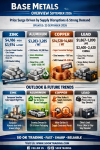
2026年9月基本金属市场概览
锌、铝、铜、铅:因供应冲击与真实工业需求而价格飙升
2026年9月,全球基本金属市场再次升温。在欧洲和亚洲,供应紧张与能源成本高企叠加,推动锌、铜和铝价格创下数年来新高。而铅则保持相对稳定,但在中国市场的价格仍高于西方市场。
本轮价格上涨的主要驱动因素包括:欧洲冶炼厂减产、全球主要矿山停产、以及LME库存快速下降。这些因素导致出现现货升水(Backwardation)现象,并进一步刺激了工业终端的实际采购需求。
因此,2026年9月的市场清晰地反映了“真正的供应冲击”——需求依然旺盛,但供应无法及时跟上,推动所有主要金属价格持续走高。
SO OK TRADING 汇集全球最新市场数据,并分析第四季度的趋势,帮助泰国企业精准制定采购策略与成本管理方案。
✨ FAST • SHARP • RELIABLE
SO OK TRADING — 泰国非铁金属行业的真正伙伴
25 Sept 2026
- …
