SOOK SUPPLY & SERVICE
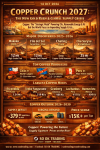
《Copper Crunch 2027:新发现矿藏 — 全球供应危机》
当今世界正加速迈向清洁能源与智能科技时代。在这一进程中,“铜” 已成为驱动所有创新的战略金属:从电动汽车(EV)、可再生能源,到需要大量电力与散热的 AI 数据中心,铜都发挥着不可或缺的作用。
然而,在需求急剧攀升的背后,全球 铜供应危机(Copper Supply Crunch) 正在迅速逼近。老矿山产能逐渐衰退,而新项目仍处于勘探与开发阶段,供给远远落后于需求。如今,铜已不再只是工业金属,而是 新兴能源经济(New Energy Economy)的心脏。
SO OK TRADING 汇集了来自刚果(金)、智利、中国和哈萨克斯坦的最新发现,并结合价格趋势与采购策略,为您呈现全球铜市场的深度分析,帮助企业提前布局,应对即将到来的 “Copper Crunch 2027” —— 这一危机将彻底改变未来十年的全球产业格局。
14 ต.ค. 2026
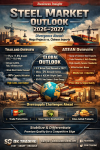
深入解析泰国–东盟建筑钢筋市场趋势 2026–2027
建筑钢筋产业正处于关键转折点 —— 一方面受到政府大型基建项目和基础设施投资的推动,需求持续增长;另一方面却面临来自中国低价钢铁大量涌入的巨大压力。
13 ต.ค. 2026
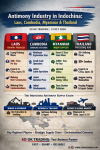
锑(Antimony)– 印度支那的战略矿产
在全球迈向清洁能源与先进技术的时代,锑已被提升为各国亟需的 关键矿产(Critical Mineral),广泛应用于电池、电动汽车以及军工产业。
印度支那——老挝、柬埔寨、缅甸和泰国——正逐渐成为全球锑供应链的重要舞台。
13 ต.ค. 2026
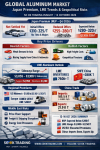
SO OK TRADING 洞察 | 2026年10月12日
12 ต.ค. 2026
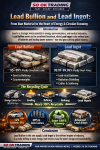
铅粗锭(Lead Bullion) 与 铅锭(Lead Ingot) 是两种在全球产业中发挥重要作用的铅金属形式。从上游生产到下游能源与电池应用,它们都不可或缺。铅粗锭是通过矿石冶炼或回收废料获得的原材料,而铅锭则是经过精炼后达到高纯度或按比例调配的合金产品。铅锭广泛应用于需要高精度的行业,例如 铅酸电池、放射防护以及备用电源系统。
在全球向清洁能源与电动汽车(EV)转型的过程中,铅依然是战略性金属。铅酸电池是 循环经济(Circular Economy) 最成功的模式之一,几乎可以实现 100% 的回收再利用,从而减少采矿活动并显著降低环境影响。
SO OK TRADING 致力于成为值得信赖的商业伙伴,提供高品质的铅产品 —— 包括铅粗锭与铅锭,以满足现代能源产业不断发展的需求。我们的理念是 FAST • SHARP • RELIABLE —— 快速、精准、可靠。
12 ต.ค. 2026
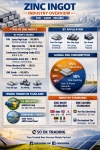
锌锭:新时代金属产业的全景
SO OK TRADING | 2026年10月12日
在现代工业社会中,“锌锭(Zinc Ingot)”已不再只是基础金属,而是逐渐演变为推动清洁技术与绿色经济的战略金属
12 ต.ค. 2026
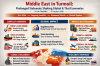
《中东动荡:持久僵局震撼全球,冲击泰国 —— 原油飙升,世界经济震荡》
SO OK TRADING 洞察 | 2026年10月11日
中东局势正进入新的沸点——
从也门与沙特的军事冲突,到霍尔木兹海峡的航运危机,再到美伊之间的紧张关系。
这一切都映射出“持久僵局”,没有任何一方能彻底占上风,却给全球经济带来强烈冲击。
原油价格突破每桶104美元,
全球贸易路线被迫改变,
而作为主要原油进口国的泰国,正面临能源成本上升、生活费用加重以及出口受阻的压力。
本文将深入剖析“战场—经济—影响”,
展现这场震撼世界的危机全貌,并探讨泰国在不确定时代应如何做好准备。
11 ต.ค. 2026
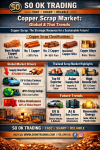
铜废料的分类与全球及泰国市场趋势
铜废料(Copper Scrap)不仅仅是“旧物”,而是现代金属工业与再生利用中的战略性资源。它可以 100% 再利用,并且不会失去电学与物理特性,因此在降低生产成本、减少对自然资源的依赖以及满足环境(ESG)要求方面发挥着关键作用。
在全球向绿色经济(Green Economy)转型、环境标准(ESG)日益严格的背景下,铜的再生利用与新矿石冶炼相比可节省高达 85% 的能源,同时减少碳排放。
国际通行的 ISRI 标准 在铜废料的分类中至关重要,它决定了价格、价值与再生工艺。从纯度最高的“亮铜(Bare Bright)”到需要重新分离和冶炼的“铜合金(Copper Alloys)”,分类直接影响市场评价。
进入 2026 年,全球及泰国的铜废料市场正步入 结构性上升周期(Structural Uptrend)。电动车(EV)、数据中心、可再生能源以及人工智能(AI)等产业,均需要大量高纯度铜作为核心原料。
SO OK TRADING 作为来自泰国的非铁金属业务合作伙伴,正迈向可持续再生的未来。我们的理念是 FAST • SHARP • RELIABLE,致力于为泰国及亚洲地区的金属市场树立新的标准。
11 ต.ค. 2026
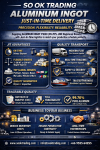
SO OK TRADING — 铝锭即时交付的使命
11 ต.ค. 2026
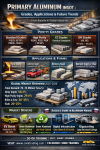
原铝锭(Primary Aluminum Ingot):等级、标准、应用形式与未来趋势
SO OK TRADING — 2026年10月10日
在现代工业中,“原铝锭(Primary Aluminum Ingot)”是核心原材料,直接由铝土矿冶炼而成(非再生铝)。它在全球制造业中发挥着至关重要的作用,涵盖了电动车(EV)、电子产业以及高端金属包装等领域。
凭借可精确控制的纯度等级和多样化的应用形式,从标准等级 P1020到高纯度等级 99.99%,这种铝材已成为推动全球经济与未来科技发展的关键动力。
SO OK TRADING 汇集了关于全球市场结构(2025–2026)、绿色铝(Green Aluminum)的增长趋势以及俄罗斯 GOST 与国际 LME 标准的比较等深度信息,为您呈现全球原铝锭市场的全景视角。
10 ต.ค. 2026
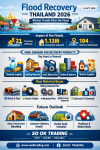
泰国洪灾形势 2026年10月 —— 洪水退去后的复苏市场与趋势
SO OK TRADING | 2026年10月10日
泰国目前正面临一场影响全国超过300万人的大规模洪灾。尽管部分地区的水位已逐渐下降,但经济与产业的损失仍在持续。洪水退去后的复原工作,已成为政府、企业与社会必须共同承担的重要任务。
从商业角度来看,SO OK TRADING 分析认为,“洪水退去之后”将成为泰国市场的重要转折点。需求将从生活必需品转向复原、修缮与替代产品,并在短期至中期推动经济发展,同时对原材料与机械产业产生直接的积极影响。
10 ต.ค. 2026
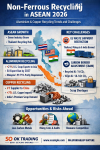
2026年东盟非铁金属回收现状
SO OK TRADING | 2026年10月10日
2026年,世界正全面进入“循环经济”时代
10 ต.ค. 2026
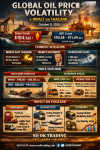
全球原油价格 2026年10月9日:剧烈波动与对泰国经济的影响
来自 SO OK TRADING
2026年10月,全球原油市场正处于关键转折点。地缘政治风险与自然灾害叠加,导致供应紧张,原油价格飙升至年度最高水平。布伦特原油(Brent Crude)一度突破 104美元/桶,随后小幅回调;而西德克萨斯中质原油(WTI)则在 90.48–91.49美元/桶 区间波动。
这场剧烈波动反映了全球能源市场的不确定性,背后驱动因素涵盖政治、经济与环境:
中东紧张局势:胡塞武装袭击沙特阿拉伯与利雅得目标,霍尔木兹海峡发生油轮袭击事件(全球20%的石油运输通道)
美国总统唐纳德·特朗普的声明:在中期选举前不会对伊朗采取军事行动,缓解部分市场恐慌
飓风伊萨亚斯(Isaias)的影响:墨西哥湾油井停产,日均减产约130万桶,占当地产量的62.9%
本文将深入探讨
全球原油市场的最新动态
主要金融机构的价格预测与分析
下周可能出现的情景模拟(Scenario Analysis)
对泰国经济的直接影响:消费者、企业与政府层面
SO OK TRADING 将以国际贸易的专业视角,为您提供深度分析与经济洞察。
理解 “今日油价高企 = 明日通胀压力”,就是理解它将如何塑造 泰国经济的未来。
9 ต.ค. 2026
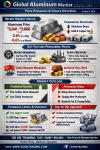
全球铝市场趋势:价格压力因素与未来走向(2026年10月)
伦敦金属交易所(LME)铝期货价格单日暴跌超过2.6%,过去一个月累计下跌近10%。这反映了宏观因素与供需结构的双重压力。与此同时,黄金、铜和锌等其他金属价格仍在上涨,这一现象被称为 “Fundamental Decoupling(基本面脱钩)”。
此次调整不仅是短期信号,更体现了工业金属市场的结构性变化。尤其是铝,正面临 供应快速恢复与新增产能释放 的压力,而中国需求并未如预期般回暖。
本文将深入分析影响价格的 宏观因素、供应与需求,并探讨 技术面支撑与阻力位。同时提出长期视角下的 “逢低买入(Buy on Dip)”机会,为需要原材料的企业提供参考。
9 ต.ค. 2026
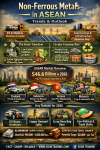
泰国与东盟非铁金属应用趋势
SO OK TRADING|2026年10月8日
2026年,全球正进入金属产业的“结构性转型期”。尤其是非铁金属(Non-Ferrous Metals),包括铝、铜、锌、锡和镍,已成为推动绿色经济与未来科技发展的核心力量。
泰国作为东盟地区的下游制造中心(Downstream Hub),正在加速发展电动车(EV)、清洁能源和数字基础设施产业。这些金属已成为支撑全球经济增长的“战略性原材料”。
与此同时,东盟也正在从传统的“原材料出口国”转型为全球战略枢纽(Global Strategic Hub)。通过碳中和政策、循环经济(Circular Economy)以及对先进技术的投资,东盟正致力于构建长期可持续的发展模式。
本文由 SO OK TRADING 撰写,将深入解析泰国与东盟非铁金属市场的关键趋势——从电动车与清洁能源的崛起,到企业如何应对供应冲击(Supply Shock),再到循环供应链(Circular Supply Chain)的构建,这些都正在成为全球金属产业未来的“关键所在”。
SO OK TRADING:FAST • SHARP • RELIABLE
您在新时代金属产业中的最佳商业伙伴
8 ต.ค. 2026
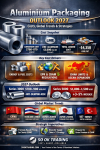
《2027年铝包装市场展望:转换成本与全球市场趋势》
SO OK TRADING|2026年10月8日
引言
2027年,铝包装产业将迎来重大转折点。随着世界迈向 循环经济 (Circular Economy),环境法规日益严格,再加上能源成本飙升与中国产能限制,饮料罐与食品包装用 铝卷材 (Aluminium Coil) 的需求持续增长。
作为 非铁金属与铝包装领域的商业伙伴,SO OK TRADING 提供以下深度洞察:
转换成本趋势:780–870 美元/吨
LME 铝价预测:预计达到 3,000 美元/吨
采购战略重点:积极应对绿色溢价 (Green Premium) 与碳边境调节机制 (CBAM)
本文将深入解析全球市场格局、系列产品采购策略(3000 / 5000),以及中国与东盟主要制造商的最新动态,帮助企业在竞争与可持续发展的时代做好准备。
SO OK TRADING — FAST • SHARP • RELIABLE
来自泰国的 非铁金属与铝包装行业真正领导者
8 ต.ค. 2026
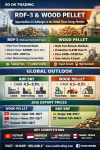
RDF‑3 与木质颗粒:清洁能源市场的机遇与挑战
SO OK TRADING | 2026年10月7日
在全球加速推进 能源转型(Energy Transition)、实现 净零碳排放(Net Zero Carbon) 目标的背景下,代替燃料 RDF‑3(垃圾衍生燃料) 和 木质颗粒(生物质燃料) 已成为减少工业和电力部门对煤炭与燃油依赖的核心力量。
来自 2065年净零政策、碳税 以及 欧盟 CBAM(碳边境调节机制) 的压力,迫使全球企业加速向清洁能源转型 —— 而泰国正处于这一变革的前沿。
SO OK TRADING 看到了快速增长的替代燃料市场中的重大机遇,尤其是 RDF‑3 在垃圾发电厂和水泥工业中的应用,以及 木质颗粒 在出口至 日本、韩国和欧洲 市场上的巨大潜力。
这不仅仅是燃料的更替 —— 而是 引领泰国能源未来走向全球可持续发展的关键一步
7 ต.ค. 2026
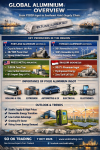
亚洲主要生产商的角色与全球铝市场概览
从原材料 P1020 到泰国及亚洲地区的产业链
SO OK TRADING :2026年10月7日
在当今由清洁能源与可持续发展驱动的全球经济中,“铝”已成为战略性金属,在包装、汽车、能源和电子产业等各个领域发挥着重要作用。尤其是 P1020 铝锭(纯度99.7%),被视为决定整个供应链质量的关键原材料。
本文将深入分析区域内主要生产商的最新动态:
Portland Aluminium 与 Tomago Aluminium(澳大利亚) —— 全球生产基地,正在复苏并加速向可再生能源转型
Press Metal(马来西亚) —— 东盟增长最快的低碳铝生产中心
INALUM(印尼) —— 利用水力发电生产的高端铝锭,并与泰国供应链紧密连接
同时,我们将探讨全球铝产业的 前景与发展方向,展示“供应稳定性 + 环境可持续性”的新时代如何为泰国企业在全球市场中创造战略优势。
SO OK TRADING :FAST | SHARP | RELIABLE
来自泰国的非铁金属专家
7 ต.ค. 2026
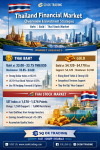
泰国金融市场每周概览(2026年10月6日)
本周泰国金融市场继续受到外部因素的压力,尤其是美元走强以及美国国债收益率(Bond Yield)维持在高位,使得泰铢呈现短期走弱趋势。同时,国际金价处于调整阶段,泰国股市也因外国投资者的抛售而走低。
尽管全球市场环境存在压力,但泰国经济基本面依然稳健。旅游业的复苏以及上市公司利润的持续增长,成为推动市场在中期至年底回升的重要支撑。
6 ต.ค. 2026
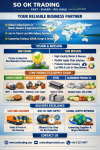
FAST • SHARP • RELIABLE
「SO OK TRADING:值得信赖的商业伙伴」
6 ต.ค. 2026
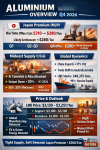
全球铝市场第4季度(2026):日本溢价 (MJP) 在供应压力下的走势
SO OK TRADING | 2026年10月6日
2026年进入第4季度,全球铝市场正处于关键转折点。日本溢价(Main Japan Premium – MJP)的最终价格尚未敲定,买卖双方仍在谨慎谈判之中。
尽管电动车(EV)和清洁能源产业的结构性需求依然强劲,但市场却面临着中东地区供应紧缩与亚洲需求疲软的双重压力,使得 MJP 的最终结算价很可能跌破 280美元/吨。
与此同时,中国加快生产步伐,出口同比增长超过17%,在一定程度上填补了中东供应缺口。全球市场因此进入一种“高位但脆弱的平衡”——价格仍维持在高位,但买方的采购态度更加谨慎。
本报告由 SO OK TRADING 发布,将深入解析:MJP 谈判现状、中东供应危机、中国的应对措施、LME 市场走势,以及对亚洲产业的影响。
✨ FAST. SHARP. RELIABLE.
SO OK TRADING —— 来自泰国的有色金属与铝业真正合作伙伴
6 ต.ค. 2026
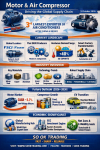
泰国电机与空压机 —— 驱动全球经济的力量
SO OK TRADING | 2026年10月5日
泰国正处于全球战略要地,作为仅次于中国和墨西哥的世界第三大空调出口国,其核心在于“电机”和“压缩机”,它们是支撑全球冷却系统与相关产业的心脏
5 ต.ค. 2026
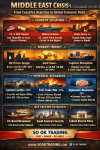
中东危机 2026:从拒绝停火到全面战争风险及全球经济冲击
✨ 引言
截至 2026年10月5日,中东地区正进入数十年来最关键的转折点之一。美国在总统 唐纳德·特朗普 的领导下,拒绝了伊朗提出的 7天停火协议,使得紧张局势迅速升级,涵盖外交、军事以及全球经济层面。
这场地区两大强权的对峙不仅影响政治稳定,更对 石油、黄金以及国际物流体系 造成剧烈冲击,全球市场已开始对不断加剧的不确定性作出反应。
在全球聚焦的 霍尔木兹海峡——这一能源贸易的生命线之际,美国及其盟友的军事行动,以及伊朗和也门胡塞武装的回应,正逐渐成为决定全球经济走向的关键因素,尤其是在 2026年最后一个季度。
SO OK TRADING — FAST • SHARP • RELIABLE
5 ต.ค. 2026
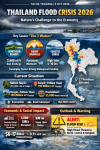
洪水危机2026:当自然挑战泰国经济结构
SO OK TRADING | 2026年10月5日
泰国正面临十年来最严重的洪水之一——当“自然”成为对“经济结构与水资源管理体系”的重大考验,迫使国家必须应对突如其来的变化。
持续不断的季风降雨与来自中国的冷空气相互碰撞,形成了所谓的“三水”现象:上游洪水、累积暴雨、以及海潮顶托。三者叠加,成为巨大的自然压力,导致全国超过27个省份陷入严重洪灾,涵盖北部、中部与东部地区。
本次由 SO OK TRADING 发布的分析,将带您全面了解2026年洪水危机:从气象成因、当前局势、经济影响,到未来趋势。我们强调,这场洪水不仅是一次自然灾害,更是一个警示——提醒泰国必须加快经济结构调整与资源管理体系的升级,以应对快速变化的世界。
5 ต.ค. 2026
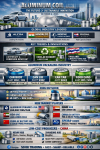
铝卷2026:迈向可持续与创新新时代
SO OK TRADING | 2026年10月4日
在2026年,铝卷产业(Aluminum Coil) 正迎来全球性的重大转折。随着技术革新、循环再生以及可持续发展的推进,全球主要制造商纷纷加快布局,以满足在电动汽车(EV)、现代建筑以及环保包装领域日益增长的需求。
从 Alcoa、Hindalco、Norsk Hydro、Rusal 等国际巨头,到 Aluminum Dynamics、EGA、Speira 以及中国的新兴制造商——各家公司都在通过 人工智能(AI)、自动化系统以及再生铝材的利用,打造轻量、坚固并且低碳排放的新型材料。
泰国依然是东盟地区的重要生产基地,闭环回收(Closed-Loop Recycling) 项目能够在短短60天内将废旧铝罐再生为新罐,节省高达95%的能源。
铝包装产业已成为新时代增长的核心,从饮料罐到食品包装,广泛采用 3004、3104、5182、5052 等特殊合金,既保证了强度,又确保了使用安全。
在全球迈向可持续发展的进程中,SO OK TRADING 始终坚守作为值得信赖的商业伙伴,持续为客户提供高质量的解决方案与深度洞察。
SO OK TRADING — FAST • SHARP • RELIABLE
4 ต.ค. 2026
- …
