Non Ferrous Scrap

SO OK TRADING CO., LTD.
3 ตุลาคม 2026 — 4.5 ล้านผู้เข้าชมเว็บไซต์ WWW.SOOKTRADING.COM
FAST • SHARP • RELIABLE
3 10月 2026
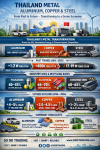
แนวโน้มการใช้งานโลหะในประเทศไทย: อลูมิเนียม ทองแดง และเหล็ก
SO OK TRADING | 3 OCT 2026
ประเทศไทยกำลังเข้าสู่ยุคแห่งการเปลี่ยนผ่านอุตสาหกรรมโลหะครั้งใหญ่ จากแรงขับเคลื่อนของ ยานยนต์ไฟฟ้า (EV), พลังงานหมุนเวียน, และ เศรษฐกิจสีเขียว (Green Economy) ที่กำลังเติบโตอย่างรวดเร็ว
บทความนี้เจาะลึกภาพรวมของ อลูมิเนียม, ทองแดง และเหล็ก — สามโลหะหลักที่เป็นหัวใจของการพัฒนาอุตสาหกรรมไทยในทศวรรษหน้า พร้อมวิเคราะห์แนวโน้มการใช้งาน, อัตราการเติบโต (CAGR), และการปรับตัวของภาคอุตสาหกรรมสู่ความยั่งยืน
3 10月 2026
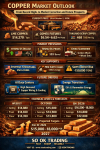
วิเคราะห์สถานการณ์ราคาทองแดงโลก ณ วันที่ 2 ตุลาคม 2026 : SO OK TRADING
ปี 2026 คือปีแห่งการเปลี่ยนโฉมของตลาดโลหะโลก โดยเฉพาะ “ทองแดง” ที่กลายเป็นหัวใจสำคัญของเศรษฐกิจยุคใหม่ จากแรงหนุนของกระแส AI Data Centers และการเปลี่ยนผ่านสู่พลังงานสะอาด (Energy Transition) ทำให้ราคาทองแดงพุ่งทะยานขึ้นแตะระดับสูงสุดเป็นประวัติการณ์ ก่อนจะเข้าสู่ช่วงพักฐานระยะสั้นในเดือนตุลาคม จากแรงกดดันของค่าเงินดอลลาร์ที่แข็งค่า ราคาน้ำมันที่ปรับตัวสูง และเศรษฐกิจจีนที่ชะลอตัว
แม้จะมีแรงกดดันในระยะสั้น แต่ปัจจัยเชิงโครงสร้างยังคงแข็งแกร่ง — ทั้งการกักตุนเชิงยุทธศาสตร์ของสหรัฐฯ และจีน รวมถึงความต้องการทองแดงในภาคเทคโนโลยีและพลังงานสะอาดที่เพิ่มขึ้นอย่างต่อเนื่อง ส่งผลให้ทองแดงยังคงเป็น “โลหะยุทธศาสตร์” ที่สะท้อนทั้งความเสี่ยงและโอกาสในเศรษฐกิจโลกยุคใหม่
SO OK TRADING พร้อมนำเสนอการวิเคราะห์เชิงลึก ครอบคลุมทั้ง สถานการณ์ปัจจุบัน แนวโน้มตลาด และการประเมินเชิงเทคนิค เพื่อให้คุณมองเห็นภาพรวมของตลาดทองแดงโลกอย่างชัดเจน — จากจุดสูงสุดสู่การพักฐาน และแนวโน้มอนาคตที่ยังคง “ร้อนแรง” อย่างต่อเนื่อง
2 10月 2026
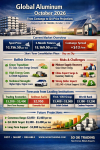
Global Aluminium Outlook ตุลาคม 2026 — วิเคราะห์โดย SO OK TRADING
ตลาดอะลูมิเนียมโลก (LME) กำลังเข้าสู่ช่วง “ปรับฐานระยะสั้น” หลังจากราคาพุ่งแรงต่อเนื่องในไตรมาสที่ผ่านมา โดยราคาสปอตล่าสุดอยู่ที่ 3,156.50 ดอลลาร์/ตัน และฟิวเจอร์ส 3 เดือนที่ 3,169.50 ดอลลาร์/ตัน ส่วนต่าง +13 ดอลลาร์สะท้อนภาวะ Contango ที่ชัดเจน — สัญญาณว่าตลาดมีของพร้อมส่งมอบเพียงพอและยังไม่เกิดแรงแย่งซื้อทันที
แม้ราคาจะย่อตัวลงมาทดสอบระดับ 3,170 ดอลลาร์/ตัน แต่ภาพรวมยังคงเป็น “การย่อตัวเพื่อสะสมพลังในเทรนด์ขาขึ้น” (Buy on Dip) จากโครงสร้างตลาดที่ยังขาดแคลนอุปทานเชิงโครงสร้าง (Structural Deficit) และแรงหนุนจาก Green Transition เช่น รถยนต์ไฟฟ้า (EV), พลังงานแสงอาทิตย์ และโครงสร้างพื้นฐานพลังงานหมุนเวียน
บทวิเคราะห์นี้จะพาไปเจาะลึกทั้ง ปัจจัยบวก–ปัจจัยเสี่ยง, มุมมองจากสถาบันการเงินระดับโลก, และ แนวโน้มราคาในไตรมาสสุดท้ายของปี 2026 เพื่อให้ผู้ประกอบการและนักลงทุนสามารถวางกลยุทธ์จัดซื้อได้อย่างมั่นใจในตลาดที่ยังคง “แข็งแกร่งแต่ผันผวน”
1 10月 2026
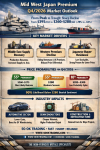
Deep Dive Analysis : Mid West Japan Premium (MJP) Q4/2026
การปรับตัวลงแรงและกลยุทธ์สำหรับผู้จัดซื้อ
ตลาดอะลูมิเนียมญี่ปุ่น (Mid West Japan Premium – MJP) กำลังเข้าสู่จุดเปลี่ยนสำคัญในไตรมาส 4 ปี 2026 หลังจากราคาพรีเมียมพุ่งขึ้นแตะระดับสูงสุดในรอบ 10 ปีที่ $395/mt ในไตรมาสก่อนหน้า ล่าสุดสัญญาซื้อขายส่งมอบเดือนตุลาคม–ธันวาคมสะท้อนภาพตลาดที่กลับทิศอย่างชัดเจน — จากภาวะ Seller’s Market สู่ Buyer’s Market อย่างเต็มรูปแบบ
แรงกดดันจากการฟื้นตัวของซัพพลายในตะวันออกกลาง การปรับลดค่าพรีเมียมในยุโรปและสหรัฐฯ รวมถึงท่าทีต่อรองอย่างแข็งแกร่งของผู้ซื้อญี่ปุ่น ทำให้ราคามีแนวโน้มปรับตัวลงแรงถึง 29–34% สู่กรอบ $260–$280/mt ซึ่งถือเป็นการเปลี่ยนแปลงเชิงโครงสร้างที่สะท้อนถึงอำนาจการต่อรองของฝั่งผู้ซื้อที่กลับมาเด่นชัดที่สุดในรอบหลายปี
ในบทวิเคราะห์นี้ SO OK TRADING จะพาคุณเจาะลึกทุกมิติของตลาด — ตั้งแต่ปัจจัยขับเคลื่อนหลัก แนวโน้มราคาที่คาดการณ์ได้อย่างแม่นยำ ไปจนถึงผลกระทบต่ออุตสาหกรรม Automotive, Semiconductor และ Construction เพื่อให้ผู้จัดซื้อสามารถวางกลยุทธ์ต้นทุนได้อย่างมั่นใจในช่วงปลายปี 2026
✨ SO OK TRADING – FAST | SHARP | RELIABLE
พันธมิตรทางธุรกิจที่เข้าใจตลาดโลหะอย่างลึกซึ้ง พร้อมข้อมูลเชิงกลยุทธ์ที่ช่วยให้คุณตัดสินใจได้อย่างแม่นยำ
30 9月 2026
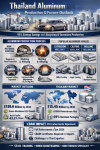
อุตสาหกรรมหลอมอลูมิเนียมในประเทศไทย: โครงสร้าง การผลิต และแนวโน้มอนาคต
SO OK TRADING : 30 SEP 2026
อุตสาหกรรมหลอมอลูมิเนียมของไทยกำลังกลายเป็นหัวใจสำคัญในห่วงโซ่อุปทานระดับโลก โดยเฉพาะในภาค ยานยนต์ การก่อสร้าง และบรรจุภัณฑ์ แม้ประเทศไทยไม่มีเหมืองบอกไซต์หรือโรงถลุงขั้นต้น แต่สามารถสร้างความแข็งแกร่งในฐานะศูนย์กลางการผลิตทุติยภูมิ (Secondary Production) ผ่านการรีไซเคิลเศษอลูมิเนียมและการผลิตบิลเลท (Billet) สำหรับขึ้นรูป ซึ่งช่วยลดการใช้พลังงานได้มากถึง 95% เมื่อเทียบกับการผลิตใหม่จากวัตถุดิบดิบ
ในยุคที่โลกกำลังขับเคลื่อนไปสู่ เศรษฐกิจคาร์บอนต่ำ (Low‑Carbon Economy) และมาตรการสิ่งแวดล้อมเข้มงวดขึ้น เช่น EU CBAM (Carbon Border Adjustment Mechanism) อุตสาหกรรมหลอมอลูมิเนียมไทยจึงต้องปรับตัวอย่างรวดเร็ว ทั้งด้านเทคโนโลยีการผลิต การจัดการของเสีย และการใช้พลังงานหมุนเวียน เพื่อรักษาความสามารถในการแข่งขันในตลาดโลก
SO OK TRADING ในฐานะพันธมิตรทางธุรกิจด้านโลหะอโลหะของประเทศไทย พร้อมนำเสนอข้อมูลเชิงลึกเกี่ยวกับ โครงสร้างการผลิต กระบวนการหลอม เกรดอลูมิเนียมยอดนิยม และแนวโน้มตลาดโลก‑ไทย เพื่อสะท้อนภาพการเปลี่ยนผ่านของอุตสาหกรรมนี้สู่ยุคแห่งความยั่งยืนและมูลค่าเพิ่ม
30 9月 2026
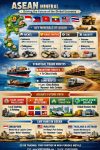
อาเซียน: ขุมทรัพย์แร่โลหะสู่อนาคตเศรษฐกิจโลก
บทความโดย SO OK TRADING | 30 กันยายน 2026
ภูมิภาคอาเซียนกำลังถูกจับตามองจากทั่วโลกในฐานะ “ขุมทรัพย์แร่โลหะยุคใหม่” ที่หล่อเลี้ยงเศรษฐกิจโลกแห่งอนาคต ตั้งแต่ นิกเกิล ทองแดง ดีบุก บอกไซต์ ไปจนถึงแร่หายาก (Rare Earths) — ทุกชนิดล้วนเป็นหัวใจสำคัญของอุตสาหกรรมพลังงานสะอาด รถยนต์ไฟฟ้า (EV) และเทคโนโลยีขั้นสูง
ในขณะที่ประเทศมหาอำนาจกำลังเร่งช่วงชิงซัพพลายเชนโลหะเชิงยุทธศาสตร์ อาเซียนกลับก้าวขึ้นมาเป็น “ผู้เล่นหลัก” ที่ไม่เพียงส่งออกวัตถุดิบ แต่เริ่มสร้างมูลค่าเพิ่มภายในประเทศ ผ่านการลงทุนในโรงถลุง โรงงานผลิตแบตเตอรี่ และระบบโลจิสติกส์ที่เชื่อมโยงจีน–อินเดียอย่างแนบแน่น
บทความนี้จะพาคุณเจาะลึกถึง
แหล่งแร่สำคัญในอาเซียนที่กำลังเปลี่ยนโฉมเศรษฐกิจโลก
เส้นทางโลจิสติกส์ยุทธศาสตร์ที่ขับเคลื่อนการค้าสินแร่
ทิศทางการลงทุนจากมหาอำนาจ และการเปลี่ยนผ่านสู่ Green Economy
บทบาทใหม่ของอาเซียนในฐานะ “หัวใจของซัพพลายเชนโลหะโลก”
✨ SO OK TRADING — พันธมิตรทางธุรกิจของคุณในโลกโลหะนอกกลุ่มเหล็ก
FAST | SHARP | RELIABLE
30 9月 2026
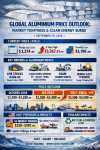
ภาพรวมและแนวโน้มราคาอลูมิเนียมโลก ณ ปลายเดือนกันยายน 2569
SO OK TRADING : 29 SEP 2026
จากภาวะตึงตัวเชิงโครงสร้าง สู่การสร้างฐานราคาใหม่ในยุคพลังงานสะอาด
ในช่วงปลายเดือนกันยายน 2569 ตลาดอลูมิเนียมโลกยังคงเคลื่อนไหวในระดับสูงต่อเนื่องที่ 3,240–3,260 ดอลลาร์สหรัฐ/ตัน สะท้อนถึงภาวะ “Structural Tightness” ที่เกิดจากอุปทานตึงตัวทั่วโลกและความต้องการพลังงานสะอาดที่เพิ่มขึ้นอย่างรวดเร็ว อุตสาหกรรมอลูมิเนียมกำลังอยู่ในจุดเปลี่ยนสำคัญ — จากโลหะอุตสาหกรรมทั่วไป สู่ “โลหะยุทธศาสตร์แห่งอนาคต” ที่ขับเคลื่อนโลกด้วยเทคโนโลยี EV, Solar, Wind และ AI Data Center
แม้จะมีแรงกดดันจากเศรษฐกิจจีนและการคาดการณ์ดอกเบี้ยของเฟด แต่แนวโน้มระยะกลางถึงระยะยาวยังคงเป็น ขาขึ้นอย่างมั่นคง โดยราคามีแนวโน้มสร้างฐานใหม่ที่สูงขึ้นในปี 2570–2573 จากปัจจัยโครงสร้างด้านพลังงานสะอาดและต้นทุนคาร์บอนที่เพิ่มขึ้น
SO OK TRADING มองว่าตลาดอลูมิเนียมกำลังเข้าสู่ยุคแห่งการปรับตัวเชิงโครงสร้างอย่างแท้จริง — ยุคที่ “พลังงานสะอาด” และ “ความยั่งยืน” จะเป็นแรงขับเคลื่อนหลักของราคาและทิศทางอุตสาหกรรมในอนาคต
✨ FAST • SHARP • RELIABLE
SO OK TRADING — ตัวจริงในธุรกิจ NON FERROUS จากประเทศไทย
29 9月 2026
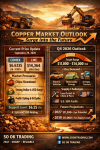
“ยุคทองแดงกำลังเริ่มต้นขึ้น!”
ราคาทองแดงทั่วโลกพุ่งทะยานแตะระดับสูงสุดเป็นประวัติการณ์ สะท้อนพลังแห่งการเปลี่ยนผ่านสู่เศรษฐกิจสีเขียวและเทคโนโลยีแห่งอนาคต ตั้งแต่ยานยนต์ไฟฟ้า พลังงานหมุนเวียน ไปจนถึงโครงสร้างพื้นฐาน AI ที่กำลังขับเคลื่อนโลกในศตวรรษใหม่
ในบทวิเคราะห์นี้ SO OK TRADING จะพาคุณเจาะลึกแนวโน้มตลาดทองแดงปี 2026 – 2030 ที่กำลังอยู่ใน “Structural Bull Market” อย่างแท้จริง พร้อมอัปเดตสถานการณ์ล่าสุดประจำวันที่ 29 กันยายน 2026 และมุมมองเชิงกลยุทธ์สำหรับนักลงทุนและผู้ประกอบการในไตรมาสสุดท้ายของปี
เตรียมพบกับข้อมูลเชิงลึกที่คุณไม่ควรพลาด — เพราะ “ทองแดง” วันนี้ ไม่ใช่แค่โลหะ แต่คือ พลังงานใหม่ของเศรษฐกิจโลก
29 9月 2026
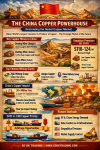
ในยุคที่โลกกำลังเปลี่ยนผ่านสู่พลังงานสะอาดและเทคโนโลยีแห่งอนาคต “ทองแดง” ได้กลายเป็นโลหะยุทธศาสตร์ที่ขับเคลื่อนเศรษฐกิจโลกอย่างแท้จริง
และประเทศจีน — ผู้บริโภคและผู้ถลุงทองแดงรายใหญ่ที่สุดของโลก — กำลังเป็นศูนย์กลางที่กำหนดทิศทางราคาและห่วงโซ่อุปทานทองแดงทั่วโลก
จากเหมืองเต๋อซิงในมณฑลเจียงซี ไปจนถึงแหล่งแร่ฉาถิงในอานฮุย จีนได้สร้างอาณาจักรทองแดงที่ทรงอิทธิพลที่สุดในเอเชีย
พร้อมทั้งขยายอิทธิพลผ่านบริษัทเหมืองยักษ์ใหญ่ เช่น Zijin Mining, Jiangxi Copper, และ China Railway Group (CREC)
ที่ลงทุนในเหมืองทองแดงระดับโลก ตั้งแต่คองโกถึงอเมริกาใต้
ในขณะที่ ค่าพรีเมียมยางซาน (Yangshan Premium) พุ่งสูงสุดในรอบหลายปี
สะท้อนถึงความต้องการทองแดงกายภาพที่แท้จริงของจีน และความตึงตัวของซัพพลายในตลาดโลก
จีนจึงไม่ใช่แค่ “ผู้ซื้อ” แต่คือ “ผู้กำหนดเกม” ของตลาดทองแดงโลกในศตวรรษนี้
28 9月 2026
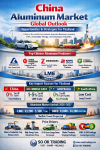
จีนกับบทบาท “มหาอำนาจอะลูมิเนียมโลก”
China: The Global Aluminum Powerhouse — SO OK TRADING | 28 SEP 2026
ในยุคที่โลกกำลังขับเคลื่อนไปสู่พลังงานสะอาดและเทคโนโลยีแห่งอนาคต “อะลูมิเนียม” ได้กลายเป็นโลหะยุทธศาสตร์ที่สำคัญที่สุดชนิดหนึ่งของโลก ทั้งในอุตสาหกรรมยานยนต์ไฟฟ้า (EV) โครงสร้างพลังงานหมุนเวียน ไปจนถึงอุตสาหกรรมอวกาศและบรรจุภัณฑ์สีเขียว
ประเทศจีนในฐานะผู้ผลิตและผู้ส่งออกอะลูมิเนียมรายใหญ่ที่สุดของโลก ครองสัดส่วนมากกว่าครึ่งหนึ่งของกำลังการผลิตทั้งหมด และยังเป็นศูนย์กลางของการพัฒนาเทคโนโลยีการผลิตที่ทันสมัยที่สุดในโลก จึงไม่แปลกที่จีนจะถูกขนานนามว่าเป็น “มหาอำนาจอะลูมิเนียมโลก” (Global Aluminum Powerhouse) ที่กำหนดทิศทางตลาดโลกโดยตรง
บทความนี้จาก SO OK TRADING จะพาคุณเจาะลึกภาพรวมตลาดอะลูมิเนียมจีน ตั้งแต่โครงสร้างการผลิต ผู้เล่นรายใหญ่ การอ้างอิงราคาซื้อขาย ไปจนถึงแนวโน้มราคาในปี 2026–2027 พร้อมวิเคราะห์โอกาสและกลยุทธ์สำหรับผู้ประกอบการไทยในการบริหารต้นทุนและความเสี่ยงในตลาดโลหะยุคใหม่
SO OK TRADING — FAST • SHARP • RELIABLE
พันธมิตรทางธุรกิจของคุณในโลกโลหะยุทธศาสตร์แห่งอนาคต
28 9月 2026
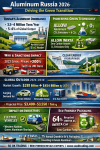
ในโลกที่กำลังเร่งเข้าสู่ยุคพลังงานสะอาดและเศรษฐกิจคาร์บอนต่ำ “อะลูมิเนียม” กลายเป็นโลหะยุทธศาสตร์ที่ขับเคลื่อนอนาคตของอุตสาหกรรมทั่วโลก — ตั้งแต่รถยนต์ไฟฟ้า (EV) ไปจนถึงโครงสร้างพื้นฐานด้านพลังงานหมุนเวียนและศูนย์ข้อมูล AI ขนาดใหญ่
หนึ่งในประเทศที่มีบทบาทสำคัญที่สุดในสมการนี้คือ รัสเซีย ซึ่งครองกำลังการผลิตอะลูมิเนียมกว่า 3.5–4 ล้านตันต่อปี หรือคิดเป็น 5–6% ของผลผลิตโลก โดยมี UC RUSAL เป็นผู้เล่นหลักที่ทรงอิทธิพลและเป็นหัวใจของการเปลี่ยนผ่านสู่ยุค Green Aluminum อย่างเต็มรูปแบบ
ด้วยการใช้พลังงานไฟฟ้าพลังน้ำจากไซบีเรียและนวัตกรรมระดับโลกอย่าง ALLOW และ ALLOW INERTA ที่ลดการปล่อยคาร์บอนแทบเป็นศูนย์ รัสเซียจึงไม่เพียงเป็นผู้ผลิตโลหะรายใหญ่ แต่ยังเป็น “ผู้นำมาตรฐานใหม่” ของอุตสาหกรรมอะลูมิเนียมโลกในยุคที่ทุกประเทศต้องปรับตัวตามกติกาสิ่งแวดล้อมที่เข้มงวด
บทความนี้โดย SO OK TRADING จะพาคุณเจาะลึกถึง
พลังและศักยภาพของอุตสาหกรรมอะลูมิเนียมรัสเซีย
ผลกระทบจากสงครามและการคว่ำบาตรที่เปลี่ยนโฉมซัพพลายเชนโลก
แนวโน้มตลาดโลกและประเทศไทยในช่วงปี 2026–2030
รวมถึงบทสรุปสำคัญของการเปลี่ยนผ่านสู่ยุค Green Transition ที่จะกำหนดอนาคตเศรษฐกิจโลกในทศวรรษหน้า
✨ Aluminum Russia ไม่ใช่แค่เรื่องของโลหะ แต่คือเรื่องของอนาคตโลกที่ขับเคลื่อนด้วยพลังงานสะอาดและความยั่งยืน
โดย SO OK TRADING — FAST • SHARP • RELIABLE
27 9月 2026
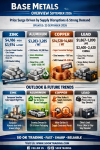
าพรวมตลาดโลหะพื้นฐานเดือนกันยายน 2026
สังกะสี อลูมิเนียม ทองแดง และตะกั่ว พุ่งแรงจากวิกฤตอุปทานและความต้องการจริงในอุตสาหกรรมโลก
เดือนกันยายน 2026 เป็นช่วงเวลาที่ตลาดโลหะพื้นฐานทั่วโลกกลับมาร้อนแรงอีกครั้ง หลังจากเผชิญแรงกดดันจากฝั่งอุปทานที่ตึงตัวและต้นทุนพลังงานที่พุ่งสูง โดยเฉพาะในยุโรปและเอเชีย ราคาสังกะสี ทองแดง และอลูมิเนียมต่างปรับตัวขึ้นแตะระดับสูงสุดในรอบหลายปี ขณะที่ตะกั่วยังคงทรงตัวในระดับสูงกว่าตลาดตะวันตกเมื่อเทียบกับจีน
แรงขับเคลื่อนสำคัญในรอบนี้มาจาก การลดกำลังการผลิตของโรงหลอมยุโรป, การหยุดชะงักของเหมืองหลักทั่วโลก, และ สต็อกโลหะในคลัง LME ที่ลดลงอย่างรวดเร็ว ส่งผลให้เกิดภาวะ Backwardation และแรงซื้อจากภาคอุตสาหกรรมจริงเพิ่มขึ้นอย่างต่อเนื่อง
ตลาดโลหะพื้นฐานในเดือนนี้จึงสะท้อนภาพของ “Supply Shock ที่แท้จริง” — เมื่อความต้องการยังคงแข็งแกร่ง แต่ฝั่งอุปทานกลับไม่สามารถตอบสนองได้ทันเวลา ทำให้ราคาทะยานขึ้นในทุกกลุ่มโลหะสำคัญ
SO OK TRADING รวบรวมข้อมูลล่าสุดจากตลาดโลกและวิเคราะห์แนวโน้มในไตรมาสสุดท้ายของปี เพื่อให้ผู้ประกอบการไทยสามารถวางกลยุทธ์การจัดซื้อและบริหารต้นทุนได้อย่างแม่นยำ
✨ FAST • SHARP • RELIABLE
SO OK TRADING — ตัวจริงในธุรกิจ NON-FERROUS METALS ของไทย
25 9月 2026
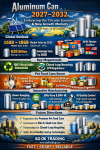
อุตสาหกรรมบรรจุภัณฑ์กระป๋องอลูมิเนียม 2027–2032: ก้าวสู่ยุคเศรษฐกิจหมุนเวียนและตลาดใหม่ที่เติบโต
โดย SO OK TRADING | 24 กันยายน 2026
อุตสาหกรรมบรรจุภัณฑ์กระป๋องอลูมิเนียมทั่วโลกกำลังเข้าสู่ช่วงเปลี่ยนผ่านครั้งสำคัญ จากยุคที่เน้นความสะดวกและต้นทุนต่ำ สู่การเป็นหัวใจของ เศรษฐกิจหมุนเวียน (Circular Economy) และการขับเคลื่อนสู่เป้าหมาย Net Zero ตามมาตรการสิ่งแวดล้อมระดับโลกที่เข้มงวดมากขึ้น
ในอีก 5–6 ปีข้างหน้า กระป๋องอลูมิเนียมจะไม่ใช่แค่บรรจุภัณฑ์สำหรับเครื่องดื่ม แต่จะกลายเป็นสัญลักษณ์ของความยั่งยืนและนวัตกรรมแห่งอนาคต ทั้งในตลาดเครื่องดื่มพรีเมียมและตลาดใหม่อย่าง อาหารสัตว์เลี้ยงบรรจุกระป๋อง (Premium Pet Food Cans) ที่กำลังเติบโตอย่างรวดเร็วทั่วโลก
ประเทศไทยในฐานะศูนย์กลางการผลิตในภูมิภาคอาเซียน (EEC Hub) กำลังมีบทบาทสำคัญในการขับเคลื่อนอุตสาหกรรมนี้ ด้วยระบบรีไซเคิลแบบปิดที่มีประสิทธิภาพสูง และผู้ผลิตรายใหญ่ที่พร้อมต่อยอดสู่ตลาดโลก
SO OK TRADING พร้อมเป็นพันธมิตรทางธุรกิจที่ “FAST • SHARP • RELIABLE” เพื่อร่วมสร้างอนาคตแห่งบรรจุภัณฑ์ที่ยั่งยืนและแข่งขันได้ในระดับสากล
24 9月 2026
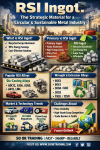
“RSI Ingot: พลิกเกมโลหะโลกด้วยเทคโนโลยีรีไซเคิล สู่โลหะยั่งยืนแห่งอนาคต”: SO OK TRADING: 24 SEP 2026
RSI Ingot: วัตถุดิบแห่งอนาคต เพื่อโลกอุตสาหกรรมที่ยั่งยืน
ในยุคที่โลกกำลังเปลี่ยนผ่านสู่เศรษฐกิจหมุนเวียน (Circular Economy) และการลดคาร์บอนฟุตพริ้นท์อย่างจริงจัง RSI Ingot (Remelt Scrap Ingot) ได้กลายเป็นวัตถุดิบยุทธศาสตร์ที่พลิกโฉมอุตสาหกรรมโลหะทั่วโลก โดยเฉพาะในกลุ่ม อะลูมิเนียมรีไซเคิล ที่สามารถช่วยลดการใช้พลังงานได้มากถึง 95% เมื่อเทียบกับการผลิตจากแร่บ็อกไซต์แบบดั้งเดิม
RSI Ingot ไม่ได้เป็นเพียง “ทางเลือกต้นทุนต่ำ” อีกต่อไป แต่ได้กลายเป็น “วัตถุดิบภาคบังคับ” สำหรับธุรกิจที่ต้องการความยั่งยืนและความสามารถในการแข่งขันในยุคใหม่ ตั้งแต่ภาค ยานยนต์ไฟฟ้า (EV) ไปจนถึง บรรจุภัณฑ์รีไซเคิล และ อุตสาหกรรมก่อสร้างสีเขียว
SO OK TRADING ในฐานะพันธมิตรทางธุรกิจด้านโลหะที่เชื่อถือได้ของประเทศไทย พร้อมนำเสนอข้อมูลเชิงลึกเกี่ยวกับ RSI Ingot ตั้งแต่ลักษณะการผลิต เกรดยอดนิยม ไปจนถึงแนวโน้มตลาดโลกและอาเซียน เพื่อให้ผู้ประกอบการไทยก้าวทันเทรนด์อุตสาหกรรมโลหะยุคใหม่อย่างมั่นใจ
SO OK TRADING | FAST • SHARP • RELIABLE
24 9月 2026
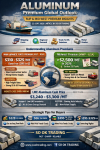
ในโลกที่โลหะไม่ใช่แค่ “วัตถุดิบ” แต่คือ “ตัวชี้วัดเศรษฐกิจและภูมิรัฐศาสตร์” — อลูมิเนียม กำลังถูกจับตามองในฐานะโลหะยุทธศาสตร์แห่งยุคพลังงานสะอาดและเทคโนโลยีดิจิทัล
การเคลื่อนไหวของ ค่า Premium จึงไม่ใช่แค่ตัวเลขบนกระดาน LME แต่คือสัญญาณสะท้อนต้นทุนจริงของอุตสาหกรรมทั่วโลก ตั้งแต่โรงหลอมในเอเชียไปจนถึงสายการผลิตในสหรัฐฯ
ในบทความนี้ SO OK TRADING จะพาคุณเจาะลึกแนวโน้มตลาดอลูมิเนียมโลกไตรมาส 4/2026 — วิเคราะห์ทั้ง Main Japanese Ports Premium (MJP) และ Midwest Premium (MWP) พร้อมถอดรหัสแรงหนุน–แรงกดดันที่กำลังเปลี่ยนสมการต้นทุนของผู้จัดซื้อทั่วโลก
เตรียมพบกับมุมมองเชิงกลยุทธ์ที่ช่วยให้คุณ “อ่านเกมตลาดก่อนใคร” และ “บริหารต้นทุนอย่างแม่นยำ” ในยุคที่โลหะทุกตันมีความหมายมากกว่าราคา
23 9月 2026
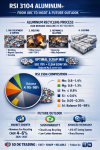
Aluminum: การทำ RSI Ingot 3104 จาก UBC และทิศทางเศรษฐกิจหมุนเวียนโลก
SO OK TRADING : 23 SEP 2026
ในยุคที่โลกกำลังขับเคลื่อนสู่ความยั่งยืนและลดคาร์บอน อุตสาหกรรมกระป๋องเครื่องดื่มถือเป็นหนึ่งใน “โมเดลต้นแบบ” ของ Circular Economy ที่สมบูรณ์แบบที่สุด ผ่านระบบ Aluminum Loop — การนำกระป๋องใช้แล้ว (UBC: Used Beverage Cans) กลับเข้าสู่กระบวนการหลอมใหม่ เพื่อผลิตเป็น RSI Ingot 3104 ซึ่งสามารถนำไปรีดเป็นแผ่นและผลิตกระป๋องใหม่ได้อีกครั้งอย่างต่อเนื่อง
กระบวนการนี้ไม่เพียงช่วยลดการใช้ทรัพยากรธรรมชาติ แต่ยังช่วยลดการปล่อยคาร์บอนกว่า 60% เมื่อเทียบกับการผลิตอลูมิเนียมปฐมภูมิ พร้อมสร้างมูลค่าเพิ่มในห่วงโซ่อุตสาหกรรมอย่างมหาศาล
ในบทความนี้ SO OK TRADING จะพาคุณเจาะลึกตั้งแต่ขั้นตอนการผลิต RSI 3104 จากเศษกระป๋อง UBC — ตั้งแต่การคัดแยก การหลอม การปรับส่วนผสมทางเคมี ไปจนถึงการหล่อแท่งอลูมิเนียม พร้อมวิเคราะห์ Outlook และทิศทางในอนาคตของ Aluminum Loop ที่กำลังกลายเป็นหัวใจสำคัญของเศรษฐกิจหมุนเวียนโลก
✨ RSI 3104 — วัสดุยุทธศาสตร์แห่งอนาคตของอุตสาหกรรมบรรจุภัณฑ์โลก
ติดตามเนื้อหาเต็มได้ในโพสต์นี้ เพื่อเข้าใจว่า “เศษกระป๋องหนึ่งใบ” สามารถกลับมาเป็น “กระป๋องใหม่” ได้อย่างไรในระบบรีไซเคิลที่ยั่งยืนที่สุดของโลก
23 9月 2026
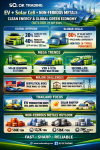
EV + Solar Cell + Non-Ferrous Metals
พลังงานสะอาดและเศรษฐกิจสีเขียวโลก
OUTLOOK | SO OK TRADING | 22 SEP 2026
โลกกำลังเข้าสู่ยุค Green Macroeconomy ที่พลังงานสะอาดไม่ใช่เพียง “ทางเลือก” อีกต่อไป แต่กลายเป็น “หัวใจหลัก” ของการขับเคลื่อนเศรษฐกิจยุคใหม่อย่างแท้จริง
อุตสาหกรรม รถยนต์ไฟฟ้า (EV) และ โซลาร์เซลล์ (Solar Cell) กำลังหลอมรวมเป็นระบบพลังงานสะอาดที่สมบูรณ์แบบ พร้อมผลักดันความต้องการ โลหะนอกกลุ่มเหล็ก (Non-Ferrous Metals) ในตลาดโลกให้พุ่งสูงขึ้นอย่างต่อเนื่อง
จีนยังคงเป็นผู้ครองห่วงโซ่อุปทานหลักของโลก ขณะที่ประเทศต่าง ๆ เร่งปรับตัวเพื่อรับมือกับการแข่งขันทางภูมิรัฐศาสตร์และการเปลี่ยนผ่านด้านพลังงานครั้งใหญ่ที่สุดในประวัติศาสตร์มนุษย์
ในปี 2026–2027 โลกจะเห็นการเปลี่ยนแปลงครั้งสำคัญของทั้งสามอุตสาหกรรม — จากการเติบโตของรถยนต์ไฟฟ้า การพัฒนาเทคโนโลยีโซลาร์เซลล์รุ่นใหม่ ไปจนถึงการขยายตัวของตลาดโลหะ Non-Ferrous ที่กลายเป็น “เส้นเลือดหลัก” ของเศรษฐกิจสีเขียวโลก
ที่ SO OK TRADING เราอยู่ในจุดเชื่อมต่อของเมกะเทรนด์นี้ — เป็นพันธมิตรทางธุรกิจที่เชื่อมโยงพลังงานสะอาดเข้ากับอุตสาหกรรมโลหะไทยอย่างมั่นคง
เรายึดมั่นในหลักการ FAST • SHARP • RELIABLE เพื่อส่งมอบความเชื่อมั่น ความรวดเร็ว และความแม่นยำให้กับทุกพันธมิตรทั่วโลก
22 9月 2026
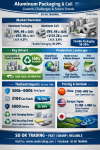
ตลาดบรรจุภัณฑ์อลูมิเนียมและอลูมิเนียมม้วน: การเติบโต ความท้าทาย และทิศทางอนาคต
SO OK TRADING | 21 กันยายน 2026
ในยุคที่โลกกำลังขับเคลื่อนไปสู่ความยั่งยืนและเศรษฐกิจหมุนเวียน (Circular Economy)
อลูมิเนียมได้กลายเป็นวัสดุแห่งอนาคตของอุตสาหกรรมบรรจุภัณฑ์ ด้วยคุณสมบัติที่สามารถรีไซเคิลได้ 100% โดยไม่สูญเสียคุณภาพ พร้อมตอบโจทย์ความต้องการของตลาดอาหาร เครื่องดื่ม และยา ที่เติบโตอย่างต่อเนื่องทั่วโลก
ตลาดบรรจุภัณฑ์อลูมิเนียมทั่วโลกมีแนวโน้มเติบโตจาก 66.4 พันล้านดอลลาร์สหรัฐในปี 2025 สู่ 92.1 พันล้านดอลลาร์สหรัฐในปี 2033
ขณะที่ตลาดอลูมิเนียมม้วน (Aluminum Coil) จะขยายจาก 95.4 พันล้านดอลลาร์สหรัฐในปี 2026 ไปถึง 131.2 พันล้านดอลลาร์สหรัฐในปี 2035
โดยมีแรงขับเคลื่อนสำคัญจาก ความยั่งยืน การรีไซเคิล และเทคโนโลยีการผลิตที่เป็นมิตรต่อสิ่งแวดล้อม
SO OK TRADING ในฐานะพันธมิตรทางธุรกิจด้านอลูมิเนียมของประเทศไทย
พร้อมส่งมอบข้อมูลเชิงลึกและแนวโน้มตลาดระดับโลก เพื่อช่วยให้ผู้ประกอบการและนักลงทุนมองเห็นโอกาสใหม่ในอุตสาหกรรมที่กำลังเติบโตอย่างรวดเร็วนี้
SO OK TRADING — FAST | SHARP | RELIABLE
21 9月 2026
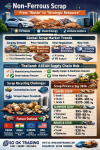
ตลาดเศษโลหะนอกกลุ่มเหล็ก : จาก “ขยะ” สู่ “วัตถุดิบเชิงยุทธศาสตร์”
เศษโลหะนอกกลุ่มเหล็ก (Non-Ferrous Scrap) กำลังเปลี่ยนบทบาทจาก “ของเหลือทิ้ง” ไปสู่ “วัตถุดิบเชิงยุทธศาสตร์” ที่ทั่วโลกแย่งชิงเพื่อขับเคลื่อนเศรษฐกิจหมุนเวียน (Circular Economy) และเป้าหมาย Net Zero Carbon ภายในปี 2050
ความต้องการทองแดงและอลูมิเนียมพุ่งสูงจากการเติบโตของ EV, ESS และ Data Center สำหรับ AI — ทำให้ตลาด Scrap กลายเป็นหัวใจสำคัญของอุตสาหกรรมยุคใหม่
ประเทศไทยในฐานะศูนย์กลางซัพพลายเชนของอาเซียน มีโอกาสมหาศาลในการยกระดับมาตรฐานการคัดแยกและระบบรับรอง เพื่อก้าวสู่การเป็นผู้นำด้าน Green Industry และ Circular Economy
21 9月 2026
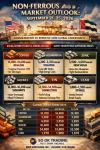
แนวโน้มราคากลุ่มโลหะนอกกลุ่มเหล็ก (Non-Ferrous Metals) สัปดาห์ 21–25 กันยายน 2026
ภาพรวมตลาดโลก พร้อมประมาณการราคา Ceiling–Average–Floor
บทความโดย SO OK TRADING | 20 กันยายน 2026
ตลาดโลหะนอกกลุ่มเหล็กทั่วโลกในช่วงสัปดาห์นี้ยังคงอยู่ภายใต้แรงกดดันจากปัจจัยมหภาคสำคัญ โดยเฉพาะการปรับขึ้นอัตราดอกเบี้ยของธนาคารกลางสหรัฐฯ (Fed) และประเทศกลุ่มอ่าวอาหรับ ซึ่งส่งผลให้ค่าเงินดอลลาร์แข็งค่าและกดดันราคาสินค้าโภคภัณฑ์ในระยะสั้น อย่างไรก็ตาม โครงสร้างอุปทานที่ตึงตัว (Supply Tightness) ของแต่ละโลหะยังคงเป็นแรงหนุนสำคัญที่ช่วยพยุงราคาไม่ให้หลุดกรอบแนวรับ
ในภาพรวมตลาดโลก (LME) สัปดาห์นี้อยู่ในภาวะ “Consolidation to Rebound” หลังจากราคาถูกกดดันในช่วงกลางเดือน แต่สามารถฟื้นตัวได้ในช่วงปลายสัปดาห์ก่อนจากแรงซื้อทางกายภาพที่ยังแข็งแกร่ง โดยเฉพาะ ทองแดง (Copper) และ สังกะสี (Zinc) ที่มีปัจจัยเฉพาะตัวด้านการหยุดชะงักของซัพพลาย (Supply Disruption) หนุนราคาให้ทรงตัวในระดับสูง
SO OK TRADING มองว่าตลาดโลหะนอกกลุ่มเหล็กในช่วงปลายเดือนกันยายนนี้จะยังคงเคลื่อนไหวในกรอบจำกัด แต่มีแนวโน้มฟื้นตัวในระยะกลาง โดยเฉพาะในกลุ่มโลหะที่มีอุปทานตึงตัว เช่น Copper, Aluminium และ Zinc ซึ่งยังคงเป็นสินค้าหลักที่ต้องจับตาอย่างใกล้ชิด
สำหรับผู้ประกอบการและฝ่ายจัดซื้อในประเทศไทย ควรใช้กลยุทธ์ Hedging และ Term Contract เพื่อบริหารความเสี่ยงจากความผันผวนของราคา รวมถึงติดตามปัจจัยภายนอกอย่างค่าเงินดอลลาร์และตัวเลขเศรษฐกิจจีน (PMI) ที่จะเป็นตัวกำหนดทิศทางความต้องการใช้จริงในตลาดเอเชีย
SO OK TRADING : FAST • SHARP • RELIABLE
พันธมิตรทางธุรกิจของคุณในตลาดโลหะนอกกลุ่มเหล็ก
20 9月 2026
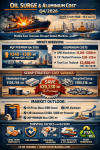
น้ำมันพุ่งทะลุโลก ดันต้นทุนโลหะทะยาน: ประมาณการณ์ค่า MJP Q4/2026
SO OK TRADING | 19 กันยายน 2026
✦ บทนำ
เดือนกันยายน 2026 กลายเป็นจุดเปลี่ยนสำคัญของตลาดพลังงานโลก เมื่อราคาน้ำมันดิบเบรนท์ (Brent) พุ่งทะลุระดับ 104–113 ดอลลาร์ต่อบาร์เรล จากความตึงเครียดทางภูมิรัฐศาสตร์และเหตุโจมตีเรือขนส่งในตะวันออกกลาง
แรงกระเพื่อมครั้งนี้ไม่เพียงส่งผลต่อราคาพลังงาน แต่ยัง เขย่าโครงสร้างต้นทุนโลหะทั่วโลก โดยเฉพาะ ค่า MJP Premium และราคา LME Aluminium Cash ซึ่งเป็นตัวชี้วัดสำคัญของอุตสาหกรรมแปรรูปโลหะและยานยนต์ไฟฟ้า (EV) ในประเทศไทย
ในภาวะที่ต้นทุนพลังงานพุ่งทะยานและตลาดโลหะเข้าสู่ช่วง “ตึงตัว” ผู้ประกอบการไทยจำเป็นต้องปรับกลยุทธ์เชิงรุก เพื่อรับมือกับแรงกดดันสองชั้นจากทั้งตลาดโลกและต้นทุนภายในประเทศ
SO OK TRADING จึงนำเสนอการวิเคราะห์เชิงลึกและแนวทางเอาตัวรอดในไตรมาส 4/2026 — เพื่อให้ธุรกิจไทยสามารถ รักษามาร์จินและความสามารถแข่งขัน ท่ามกลางยุคพลังงานแพงอย่างมั่นคง
19 9月 2026
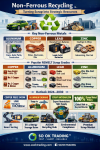
Non-Ferrous Recycling 2026 – พลิกเศษโลหะสู่ทรัพยากรยุทธศาสตร์โลก
SO OK TRADING | 18 กันยายน 2026
ในโลกที่กำลังขับเคลื่อนด้วยพลังงานสะอาดและเศรษฐกิจหมุนเวียน โลหะนอกกลุ่มเหล็ก (Non-Ferrous Metals) กำลังเปลี่ยนบทบาทจาก “เศษขยะ” ไปสู่ “ทรัพยากรยุทธศาสตร์ระดับโลก” ที่หล่อหลอมอนาคตของอุตสาหกรรมยานยนต์ไฟฟ้า (EV), โครงสร้างพื้นฐานดิจิทัล และเทคโนโลยีคาร์บอนต่ำ
อุตสาหกรรมรีไซเคิลโลหะกำลังกลายเป็นหัวใจสำคัญของการสร้างโลกสีเขียว — ที่ซึ่ง Copper, Aluminum, Lead และ Zinc ไม่ได้เป็นเพียงวัตถุดิบ แต่คือพลังแห่งการเปลี่ยนผ่านสู่อนาคตที่ยั่งยืน
SO OK TRADING ในฐานะพันธมิตรทางธุรกิจระดับสากลจากประเทศไทย พร้อมขับเคลื่อนการรีไซเคิลโลหะคุณภาพสูงสู่ตลาดโลก ด้วยความเชี่ยวชาญด้าน Smart Sorting, AI Integration และ Circular Economy Solutions เพื่อสร้างมาตรฐานใหม่ของโลหะยุคคาร์บอนต่ำ
✨ FAST • SHARP • RELIABLE
SO OK TRADING – ตัวจริงในธุรกิจ Non-Ferrous จากประเทศไทย
18 9月 2026
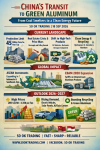
จีนกับการเปลี่ยนผ่านสู่ Green Aluminum
จากเชื้อเพลิงถ่านหินสู่อนาคตพลังงานสะอาด
SO OK TRADING | 18 กันยายน 2026
จีนกำลังพลิกโฉมอุตสาหกรรมอะลูมิเนียมครั้งใหญ่ จากประเทศที่เคยพึ่งพาพลังงานถ่านหินและการผลิตเชิงปริมาณ สู่ยุคใหม่แห่ง Green Aluminum ที่ขับเคลื่อนด้วยพลังงานสะอาดและเทคโนโลยีขั้นสูง เพื่อรับมือกับความท้าทายด้านสิ่งแวดล้อมและมาตรการคาร์บอนระดับโลกอย่าง CBAM ของสหภาพยุโรป
การเปลี่ยนผ่านครั้งนี้ไม่เพียงสะท้อนถึงความมุ่งมั่นของจีนในการลดการปล่อยคาร์บอน แต่ยังเป็นสัญญาณสำคัญของการปรับตัวเชิงกลยุทธ์ในตลาดโลหะโลก ที่กำลังเข้าสู่ยุคแห่ง Circular Economy และการผลิตเชิงคุณภาพ
ในบทความนี้ SO OK TRADING จะพาคุณเจาะลึกถึง
นโยบายควบคุมซัพพลายและเพดานการผลิต 45 ล้านตันต่อปี
การปรับตัวของโรงงานสู่สินค้าไฮเทค เช่น ฟอยล์แบตเตอรี่ EV และวัสดุอากาศยาน
การขยายฐานพลังงานสะอาดในมณฑลยูนนาน–เสฉวน
ผลกระทบจากมาตรการ CBAM และการลงทุนในอาเซียน
รวมถึงแนวโน้มตลาดอะลูมิเนียมโลกในปี 2026–2027
✨ จีนกำลังเขียนนิยามใหม่ของคำว่า “อะลูมิเนียมสีเขียว”
และนี่คือจุดเปลี่ยนสำคัญที่โลกโลหะต้องจับตาอย่างใกล้ชิด
18 9月 2026
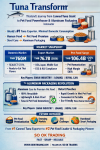
Tuna Transformation: จากทูน่ากระป๋องสู่ Pet Food พรีเมียม และการเปลี่ยนผ่านสู่ยุคบรรจุภัณฑ์อลูมิเนียม
SO OK TRADING : 18 SEPTEMBER 2026
18 9月 2026
- …
