Non Ferrous Scrap
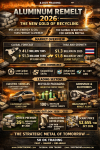
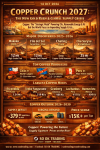
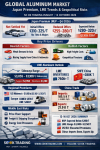
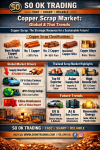
銅スクラップの分類と世界・タイ市場の動向
銅スクラップ(Copper Scrap)は単なる「古材」ではなく、現代の金属産業とリサイクルにおける戦略的資源です。100%再利用可能であり、電気的・物理的特性を失うことなく循環利用できるため、製造コスト削減、天然資源への依存低減、そして環境(ESG)への対応に大きな役割を果たしています。
世界がグリーンエコノミー(Green Economy)へ移行し、環境基準(ESG)が強化される中、銅のリサイクルは新鉱石の精錬と比較して最大85%のエネルギーを節約でき、炭素排出削減にも貢献します。
国際的な分類基準である ISRI Standard は、価格・価値・リサイクル工程を決定する上で不可欠です。最も純度の高い「ベアブライト(Bare Bright)」から、再精錬を要する「銅合金(Copper Alloys)」まで、分類は市場の評価に直結します。
2026年、世界およびタイの銅スクラップ市場は 構造的上昇期(Structural Uptrend) に突入しています。EV産業、データセンター、再生可能エネルギー、AI技術といった分野が、銅を主要原料として大量に必要としているからです。
SO OK TRADING は、タイ発の非鉄金属ビジネスパートナーとして、持続可能なリサイクルの未来へ歩みを進めています。理念は FAST • SHARP • RELIABLE。アジア地域における金属市場の新たな基準を築くことを目指しています。
11 Oct 2026
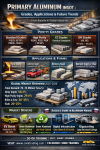
次アルミニウムインゴット(Primary Aluminum Ingot):グレード・標準・用途形態と将来展望
SO OK TRADING — 2026年10月10日
現代産業において「一次アルミニウムインゴット(Primary Aluminum Ingot)」は、ボーキサイトの直接精錬から得られる基幹素材であり、リサイクルではない純粋なアルミニウムです。自動車(特にEV)、電子機器、そして高品質な金属包装分野に至るまで、世界の製造業を支える重要な役割を担っています。
その純度グレードや用途形態を理解することは、世界市場の分析や将来の動向を見極める上で不可欠です。
10 Oct 2026
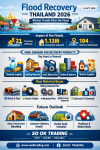
タイ洪水状況 2026年10月 – 水が引いた後の復興市場と需要動向
SO OK TRADING | 2026年10月10日
タイは現在、全国で約300万人以上の国民に影響を及ぼす大規模な洪水に直面しています。多くの地域では水位が徐々に下がりつつありますが、経済や産業への影響は依然として続いています。水が引いた後の復旧は、政府・民間企業・地域社会が協力して取り組むべき重要な課題となっています。
ビジネスの視点から見ると、SO OK TRADING は「水が引いた後」がタイ国内市場の大きな転換点になると分析しています。需要は生活必需品から、復旧・修繕・代替商品へと移行し、短期から中期にかけて経済を牽引する原動力となり、原材料や機械産業にも直接的なプラス効果をもたらします。
10 Oct 2026
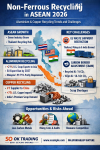
2026年東南アジア非鉄金属リサイクルの現状
SO OK TRADING | 2026年10月10日
2026年、世界は本格的に「サーキュラーエコノミー(循環型経済)」の時代へと突入しています
10 Oct 2026
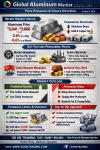
世界アルミニウム市場の動向:価格を押し下げる要因と今後の展望(2026年10月)
ロンドン金属取引所(LME)のアルミニウム先物価格は、1日で2.6%以上急落し、過去1か月で約10%下落しました。これは、マクロ要因と需給構造の両面からの圧力を反映しています。一方、金・銅・亜鉛など他の金属は上昇を続けており、この現象は 「Fundamental Decoupling(ファンダメンタル・デカップリング)」 と呼ばれています。
今回の調整は短期的なシグナルにとどまらず、産業用金属市場の構造的変化を示しています。特にアルミニウムは、供給の急速な回復と新規生産能力の追加 に直面しており、中国の需要は予想ほど回復していません。
本稿では、価格を押し下げる マクロ要因・供給・需要 を詳しく分析し、さらに テクニカルなサポート&レジスタンス水準 を検討します。そして、原材料を必要とする事業者にとって、長期的には 「Buy on Dip(押し目買い)」の好機 となり得る視点を提示します。
9 Oct 2026
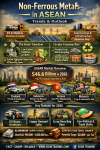
ノンフェロス金属の利用動向:タイ・ASEANにおける新たな展望
SO OK TRADING|2026年10月8日
2026年、世界は「構造的転換期」に突入しています。特にアルミニウム、銅、亜鉛、錫、ニッケルといったノンフェロス金属(非鉄金属)は、グリーン経済と未来技術を牽引する重要な資源となっています。
タイはASEAN地域のダウンストリーム・ハブとして、電気自動車(EV)、クリーンエネルギー、デジタル基盤産業の発展を加速させています。これらの金属は、世界経済の成長を支える「戦略的原材料」として不可欠な存在です。
同時にASEANは、従来の「原材料輸出国」から脱却し、グローバル・ストラテジック・ハブへと進化しています。カーボンニュートラル政策、サーキュラーエコノミー、先端技術への投資を軸に、持続可能な未来を築こうとしています。
本稿では、SO OK TRADINGがタイ・ASEANにおけるノンフェロス金属市場の主要トレンドを徹底分析します。EVとクリーンエネルギーの拡大、供給ショックへの対応、そして循環型サプライチェーンの構築が、世界の金属産業の未来を切り拓く「鍵」となるでしょう。
SO OK TRADING:FAST • SHARP • RELIABLE
新時代の金属産業におけるあなたのビジネスパートナー
8 Oct 2026
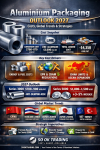
「2027年アルミニウム包装市場展望:コンバージョンコストと世界市場の方向性」
SO OK TRADING|2026年10月8日
序文
2027年、アルミニウム包装産業は大きな転換期を迎えます。世界が サーキュラーエコノミー へと移行し、環境規制が一層厳格化する中、エネルギーコストの高騰や中国の生産制限が重なり、飲料缶や食品包装向けの アルミニウムコイル 需要は持続的に拡大しています。
SO OK TRADING は、非鉄金属およびアルミ包装分野のビジネスパートナー として、以下の重要なインサイトを提供します。
コンバージョンコストの動向:780–870 USD/MT
LMEアルミ価格予測:3,000 USD/MT に到達見込み
戦略的購買アプローチ:グリーンプレミアムや CBAM に対応するための積極的な戦略
本記事では、グローバル市場の展望、シリーズ別購買戦略(3000 / 5000)、そして中国・ASEANにおける主要メーカーの動向を徹底分析し、企業が競争と持続可能性の時代に備えるための指針を示します。
SO OK TRADING — FAST • SHARP • RELIABLE
タイ発、非鉄金属 & アルミ包装分野の真のリーダー
8 Oct 2026
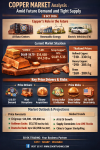
「未来の金属・銅:需要急増と供給逼迫の中で(2026年10月)」
✨ イントロダクション
銅(Copper)は、現代経済を牽引する AIデータセンター、再生可能エネルギー、電気自動車(EV) に不可欠な存在として、今や「未来の金属」として注目されています。世界各地の鉱山や製錬所の供給制約が続く中、銅価格は上昇基調を維持し、戦略的資産 としてゴールドマン・サックス、シティグループ、ドイツ銀行など世界的金融機関から高く評価されています。
8 Oct 2026
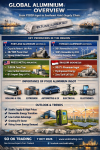
アジア主要生産者の役割と世界アルミニウム市場の展望
原材料 P1020 からタイおよびアジア地域のサプライチェーンへ
SO OK TRADING : 2026年10月7日
世界経済がクリーンエネルギーと持続可能性によって牽引される現代において、「アルミニウム」は戦略的金属として、包装、自動車、エネルギー、電子産業などあらゆる分野で重要な役割を果たしています。特に P1020 アルミニウムインゴット(純度99.7%) は、サプライチェーン全体の品質を決定づける基礎原料として位置づけられています。
本稿では、以下の地域の主要生産者の最新動向を詳しく分析します:
Portland Aluminium と Tomago Aluminium(オーストラリア) — 世界的な生産拠点であり、再生可能エネルギーへの移行を進める
Press Metal(マレーシア) — ASEANで最も急成長する低炭素アルミニウム生産の中心地
INALUM(インドネシア) — 水力発電を活用し、タイとサプライチェーンを結ぶプレミアムインゴットの生産者
さらに、世界アルミニウム産業の アウトルックと将来の方向性 を分析し、「供給の安定性 + 環境持続性」という新時代への移行が、タイの事業者にとって世界市場で競争優位を築く大きなチャンスとなることを示します。
SO OK TRADING : FAST | SHARP | RELIABLE
タイから世界へ、ノンフェラス事業のスペシャリスト
7 Oct 2026
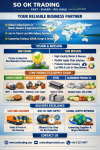
FAST • SHARP • RELIABLE
「SO OK TRADING : 信頼できるビジネスパートナー」
6 Oct 2026
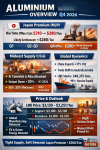
世界アルミニウム市場 第4四半期(2026年)— 供給変動の中で揺れる Japan Premium (MJP)
SO OK TRADING | 2026年10月6日
2026年の第4四半期に入り、世界のアルミニウム市場は重要な転換点を迎えています。日本向けプレミアム(Main Japan Premium – MJP)はまだ最終決定に至っておらず、買い手と売り手の間で慎重な交渉が続いています。
電気自動車(EV)や再生可能エネルギー産業からの構造的な需要は依然として強いものの、中東地域の供給逼迫とアジアの需要減退が市場を押し下げる要因となり、MJP価格は 280ドル/トンを下回る水準での決着が予想されています。
一方、中国は生産を加速し、輸出量を前年比17%以上増加させることで供給不足を補っています。これにより、世界市場は「高値安定ながらも不安定な均衡状態」にあり、価格は依然として高水準を維持しつつも、買い手の姿勢はより慎重になっています。
本レポートでは、MJP交渉の現状、中東の供給危機、中国の対応、LME市場の動向、そしてアジア産業への影響を包括的に分析します。
✨ FAST. SHARP. RELIABLE.
SO OK TRADING — タイ発、Non-Ferrous & Aluminium ビジネスの真のパートナー
6 Oct 2026
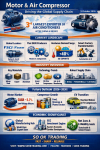
タイのモーター&エアコンプレッサー — 世界経済を駆動する力
SO OK TRADING | 2026年10月5日
タイは現在、世界の戦略的拠点に立ち、中国とメキシコに次ぐ世界第3位のエアコン輸出国としての地位を確立しています。その中心にあるのが「電動モーター」と「コンプレッサー」であり、これらは冷却システムと関連産業を支える心臓部です
5 Oct 2026
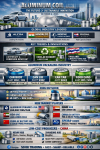
アルミニウムコイル2026:持続可能性と革新の時代へ
SO OK TRADING | 2026年10月4日
2026年、アルミニウムコイル産業は世界的に大きな転換期を迎えています。技術革新、リサイクル、そして持続可能性の強化により、主要メーカーは電気自動車(EV)、近代建築、環境配慮型パッケージ分野で急増する需要に対応するための取り組みを加速させています。
Alcoa、Hindalco、Norsk Hydro、Rusalといった世界的リーダーから、Aluminum Dynamics、EGA、Speira、さらに中国の新興メーカーまで、各社はAI、オートメーション、リサイクルスクラップの活用によって、軽量で強靭かつ低炭素排出の素材を生み出しています。
タイは依然としてASEAN地域の重要な生産拠点であり、クローズドループ・リサイクルによって使用済み缶をわずか60日で新しい缶へと再生し、最大95%のエネルギーを節約する取り組みが進められています。
アルミニウム包装産業は新時代の成長の中心となっており、飲料缶から食品用パッケージまで、3004、3104、5182、5052といった特殊合金が使用され、強度と安全性の両立を実現しています。
世界が持続可能性へと進む中、SO OK TRADINGは信頼できるビジネスパートナーとして、グローバル市場に向けた高品質なソリューションと深いインサイトを提供し続けます。
SO OK TRADING — FAST • SHARP • RELIABLE
4 Oct 2026
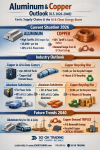
米国におけるアルミニウムと銅の利用動向と展望:コスト・サプライチェーン・AIとクリーンエネルギーによる推進
SO OK TRADING|2026年10月4日
急速に進化するテクノロジーとクリーンエネルギーの時代において、米国は戦略的金属であるアルミニウム(Aluminum)と銅(Copper)のサプライチェーンにおける大きな圧力に直面しています。これら二つの金属は産業の重要な原材料であるだけでなく、未来のイノベーションを支える「心臓部」として、電気自動車(EV)からAIデータセンター、そして再生可能エネルギーシステムに至るまで欠かせない存在です。
輸入関税、供給不足、国際的な資源競争が世界の金属産業に大きな衝撃を与えており、特に米国は経済と技術の安定を維持するために大きな対応を迫られています。
本記事では以下の点を深掘りします:
米国アルミニウム・銅市場の現状
AIとクリーンエネルギー時代における投資と利用の方向性
将来のリサイクルと代替材料の動向
これらを通じて、両金属がいかにして新しい世界経済の「柱」となるのかを明らかにします。
4 Oct 2026
SO OK TRADING CO., LTD.
2026年10月3日 — 世界中で450万アクセス突破 WWW.SOOKTRADING.COM
FAST • SHARP • RELIABLE
3 Oct 2026
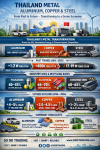
タイの金属展望 2036:アルミニウム・銅・鉄
SO OK TRADING|2026年10月3日
タイは現在、金属産業の大きな転換期を迎えています。電気自動車(EV)、再生可能エネルギー、そして急速に拡大するグリーン経済がその原動力です。
本記事では、タイの産業の未来を形作る主要な3つの金属 ― アルミニウム、銅、鉄 ― の展望を掘り下げ、利用動向、成長率(CAGR)、そして持続可能性への産業の適応について分析します。
3 Oct 2026
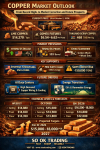
世界銅価格動向分析|2026年10月2日:SO OK TRADING
2026年は世界の非鉄金属市場にとって歴史的な転換点となりました。特に「銅」は新時代の経済の中心的存在となり、AIデータセンターの急拡大やクリーンエネルギー(エネルギー転換)の波に支えられ、史上最高値を更新しました。しかし10月初旬には、ドル高、原油価格の上昇、中国経済の減速といった要因により、一時的な調整局面に入りました。
短期的な圧力はあるものの、米国と中国による戦略的備蓄や、テクノロジー・再生可能エネルギー分野での需要増加が続いており、銅は依然として「戦略金属」として世界経済におけるリスクとチャンスを映し出しています。
SO OK TRADINGは、現状分析、市場見通し、テクニカル評価を網羅した深いインサイトを提供し、世界銅市場の全体像を明確に示します。史上最高値から調整局面、そして未来へと続く「熱い」展望をお届けします。
2 Oct 2026
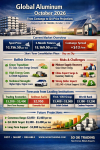
Global Aluminium Outlook 2026年10月 — SO OK TRADINGによる分析
世界のアルミニウム市場(LME)は、前四半期に価格が急騰した後、現在「短期的な調整局面」に入っています。直近のスポット価格は 3,156.50ドル/トン、3か月先物は 3,169.50ドル/トン、その差は +13ドルであり、これは明確な コンタンゴ(Contango) を示しています。つまり、市場には十分な供給があり、即時の買い急ぎは発生していない状況です。
価格が 3,170ドル/トン まで下落したものの、全体的には「上昇トレンドに向けたエネルギー蓄積のための調整(Buy on Dip)」と見られています。これは構造的な供給不足(Structural Deficit)と、EV・太陽光発電・再生可能エネルギーインフラなど グリーントランジション(Green Transition) による需要拡大が背景にあります。
本分析では、強気要因とリスク要因、世界の主要金融機関による見解、そして 2026年第4四半期の価格見通し を詳しく解説し、事業者や投資家が「強いが変動の大きい市場」で確信を持って購買戦略を立てられるようサポートします。
1 Oct 2026
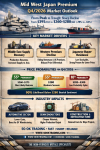
ディープダイブ分析 : Mid West Japan Premium (MJP) Q4/2026
大幅下落と購買戦略
日本のアルミニウム市場(Mid West Japan Premium – MJP)は、2026年第4四半期に大きな転換点を迎えています。前四半期には過去10年間で最高値となる $395/mt を記録しましたが、10月〜12月の契約交渉では市場の方向性が明確に反転し、Seller’s Market から Buyer’s Market へと完全に移行しました。
中東地域の供給回復、欧州および米国のプレミアム低下、そして日本の買い手による強い価格交渉圧力が重なり、価格は 29〜34% 下落し、$260〜$280/mt のレンジに収束する見込みです。これは、買い手側の交渉力が過去数年で最も強く表れる構造的な変化を示しています。
本分析では、SO OK TRADING が市場の全側面を深掘りします。主要なドライバー、精緻な価格予測、そして 自動車、半導体、建設 産業への影響までを網羅し、購買担当者が2026年末に向けて確実なコスト戦略を立てられるよう支援します。
✨ SO OK TRADING – FAST | SHARP | RELIABLE
金属市場を深く理解するビジネスパートナーとして、戦略的な意思決定を支える確かなインサイトを提供します。
30 Sep 2026
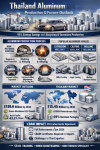
タイのアルミニウム産業:構造・生産・将来展望
SO OK TRADING|2026年9月30日
タイのアルミニウム産業は、世界のサプライチェーンにおいて重要な役割を担いつつあります。特に 自動車産業、建設業、包装業 において不可欠な存在です。タイにはボーキサイト鉱山や一次製錬所は存在しませんが、二次生産(Secondary Production) を通じて強みを築いてきました。スクラップアルミニウムのリサイクルやビレット(Billet)の製造により、従来の新規生産と比べて最大 95%のエネルギー削減 を実現し、世界的な脱炭素化の潮流に合致しています。
現在、世界は 低炭素経済(Low‑Carbon Economy) へと移行しつつあり、EUの CBAM(炭素国境調整メカニズム) のような厳格な環境規制が導入されています。これに対応するため、タイのアルミニウム産業は迅速な変革を迫られています。生産技術の革新、廃棄物管理の改善、再生可能エネルギーの導入などを通じて、国際市場での競争力を維持する必要があります。
SO OK TRADING は、タイの非鉄金属分野における信頼できるビジネスパートナーとして、生産構造、製錬プロセス、主要アルミニウム合金グレード、世界およびタイ市場の展望 に関する深い洞察を提供し、この産業が持続可能で付加価値の高い未来へと進化していく姿を描きます。
30 Sep 2026
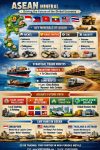
ASEAN:未来の世界経済を支える鉱物資源の宝庫
SO OK TRADING | 2026年9月30日
東南アジア(ASEAN)は、世界から「新時代の鉱物資源の宝庫」として注目されています。ニッケル、銅、錫、ボーキサイト、さらにはレアアースまで——これらすべてが、クリーンエネルギー、電気自動車(EV)、先端技術産業の中核を担う重要資源です。
大国が戦略的な金属サプライチェーンを奪い合う中、ASEANは単なる原料輸出国から脱却し、国内での付加価値創出へと歩みを進めています。製錬所やバッテリー工場への投資、中国・インドと結ぶ物流ネットワークの強化により、ASEANは「世界金属サプライチェーンの心臓部」へと進化しつつあります。
本記事では以下を深掘りします:
世界経済を変えるASEANの主要鉱床
資源貿易を支える戦略的物流ルート
大国からの投資動向とグリーンエコノミーへの移行
「世界金属サプライチェーンの心臓部」としてのASEANの新たな役割
✨ SO OK TRADING — 非鉄金属ビジネスにおけるあなたのパートナー
FAST | SHARP | RELIABLE
30 Sep 2026
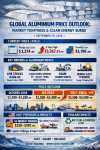
世界アルミニウム市場の概況と展望(2026年9月末)
SO OK TRADING : 2026年9月29日
構造的な逼迫からクリーンエネルギー時代の新たな価格基盤へ
✍️ 序文
2026年9月末、世界のアルミニウム市場は依然として高水準で推移し、3,240〜3,260米ドル/トンを維持しています。これは世界的な供給逼迫とクリーンエネルギー需要の急増によるものであり、アルミニウム産業は大きな転換点に立っています。従来の工業用金属から、EV・太陽光・風力・AIデータセンターを支える「未来の戦略的金属」へと進化しつつあります。
中国経済の減速や米国金利の上昇懸念が短期的な圧力となっているものの、中長期的には堅調な上昇トレンドが続く見込みです。特に2027〜2033年には、クリーンエネルギー需要と炭素コストの上昇を背景に、新たな価格基盤の形成が予想されます。
29 Sep 2026
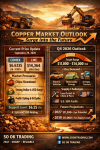
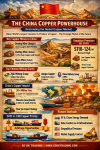
「中国:世界の銅の覇者 ― Copper Empire が築くクリーンエネルギー・EV・世界市場の未来、そしてヤンシャン・プレミアム」 SO OK TRADING インサイト | 2026年9月28日
世界がクリーンエネルギーと未来技術へと移行する時代において、「銅」はまさに世界経済を動かす戦略的金属となっています。
そして中国――世界最大の銅の消費国かつ製錬国――は、銅価格とサプライチェーンの方向性を決定づける中心的存在となっています。
江西省の徳興鉱山から安徽省のチャーティン鉱床に至るまで、中国はアジアで最も影響力のある銅帝国を築き上げました。
さらに、紫金鉱業(Zijin Mining)、江西銅業(Jiangxi Copper)、中国鉄道建設(CREC) といった巨大鉱業企業を通じて、コンゴから南米に至るまで世界規模で投資を拡大しています。
一方で、揚山プレミアム(Yangshan Premium) が過去数年で最高水準に急騰し、中国国内の実需と世界市場における供給逼迫を鮮明に映し出しています。
中国は単なる「買い手」ではなく、21世紀の世界銅市場における「ゲームチェンジャー」としての地位を確立しているのです。
28 Sep 2026
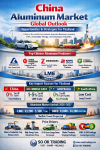
中国:「世界のアルミニウム大国」
China: The Global Aluminum Powerhouse — SO OK TRADING|2026年9月28日
世界がクリーンエネルギーと未来技術へと進む中で、アルミニウムは最も重要な戦略的金属の一つとなっています。電気自動車(EV)、再生可能エネルギーのインフラ、さらには宇宙産業やグリーンパッケージングに至るまで、幅広い分野で不可欠な存在です。
中国は世界最大のアルミニウム生産・輸出国として、世界全体の生産量の半分以上を占めています。さらに最新鋭の製造技術を牽引する中心地でもあり、「世界のアルミニウム大国(Global Aluminum Powerhouse)」として、国際市場の方向性を直接左右しています。
本記事では SO OK TRADING が、中国アルミニウム市場の全体像を深掘りし、生産構造や主要プレイヤー、価格指標の仕組みから、2026〜2027年の価格動向までを詳しく分析。さらに、タイの企業がコスト管理やリスク対応を行う上での戦略的なチャンスについても提案します。
SO OK TRADING — FAST • SHARP • RELIABLE
戦略的金属の未来における、あなたのビジネスパートナー
28 Sep 2026
- …
