แชร์

“สงครามปุ๋ยขาดแคลน: ช่องแคบฮอร์มุซสะเทือนโลก จากปุ๋ยสู่จานอาหาร วิกฤตที่สั่นคลอนความมั่นคงอาหาร” : บทความโดย SO OK TRADING
อัพเดทล่าสุด: 9 มี.ค. 2026
1973 ผู้เข้าชม

วิกฤตปุ๋ยโลก: เมื่อสงครามตะวันออกกลางเขย่าห่วงโซ่อาหารโลก

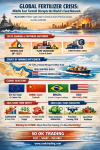
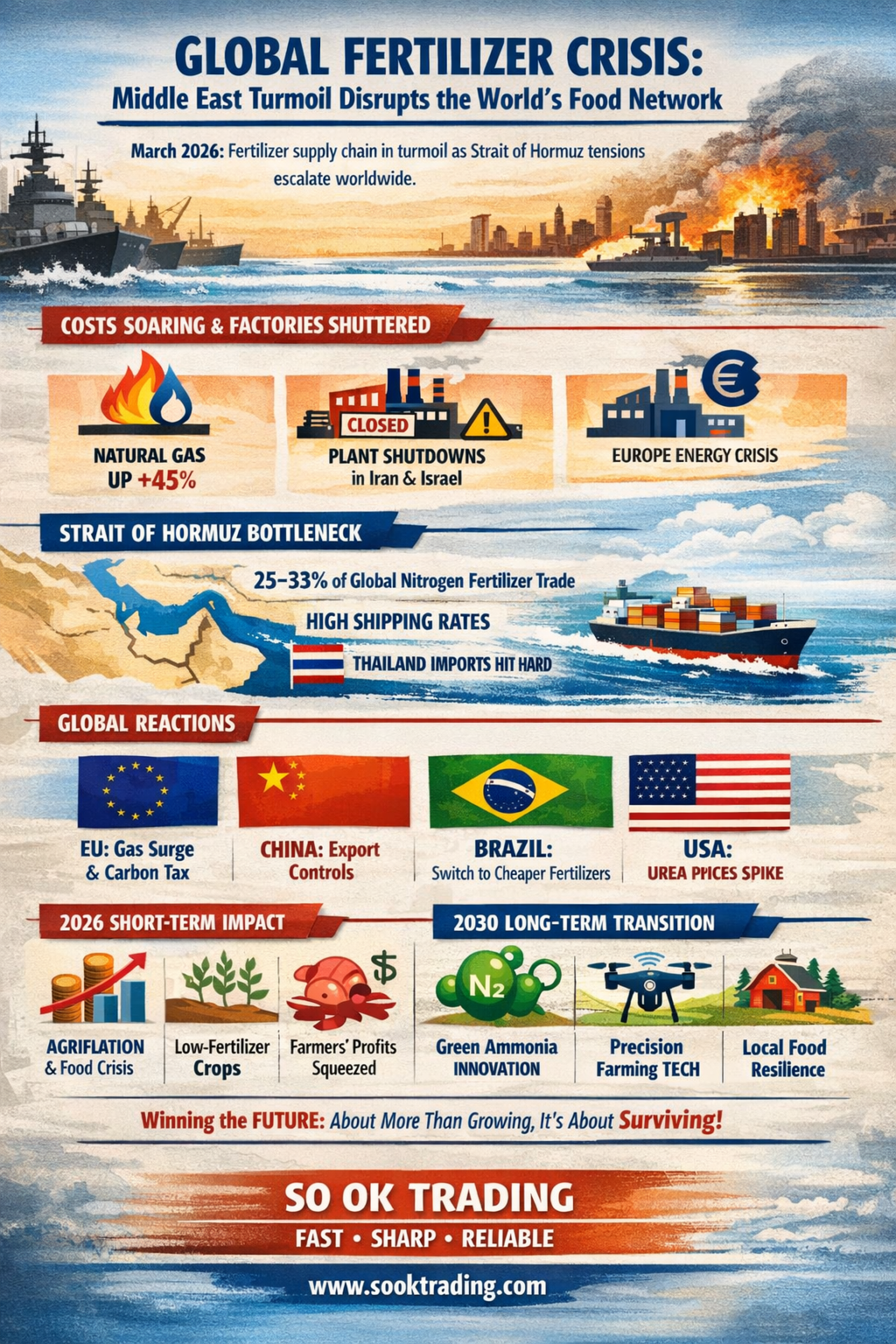
ในเดือนมีนาคม 2569 โลกกำลังเผชิญกับ วิกฤตปุ๋ยครั้งใหญ่ที่สุดในรอบหลายทศวรรษ ความตึงเครียดในตะวันออกกลาง โดยเฉพาะบริเวณช่องแคบฮอร์มุซ ได้ส่งแรงสั่นสะเทือนต่อห่วงโซ่อุปทานปุ๋ยและอาหารทั่วโลกอย่างรุนแรง


ต้นทุนพุ่ง – โรงงานสะดุด

ราคาก๊าซธรรมชาติพุ่งสูง: ก๊าซคือวัตถุดิบหลักในการผลิตแอมโมเนียและยูเรีย เมื่อราคาก๊าซโลกกระโดดขึ้นกว่า 45% โรงงานปุ๋ยทั่วโลกจึงเจอแรงกดดันมหาศาล
การหยุดชะงักของโรงงาน: โรงงานในอิหร่านและอิสราเอลบางแห่งต้องลดกำลังการผลิตหรือหยุดดำเนินงาน ทำให้ตลาดโลกขาดแคลนสินค้าในทันที
ต้นทุนพลังงานทับซ้อน: โรงงานในยุโรปที่เคยปิดตัวช่วงวิกฤตก๊าซรัสเซีย-ยูเครน อาจต้องปิดอีกครั้งเพราะสู้ราคาก๊าซไม่ไหว
 

โลจิสติกส์ติดขัด – ช่องแคบฮอร์มุซคือคอขวด

Strait of Hormuz = จุดเสี่ยงที่สุดของโลก: กว่า 25-33% ของการค้าปุ๋ยไนโตรเจนต้องผ่านเส้นทางนี้ หากถูกปิดจะกระทบทั้งเอเชียและยุโรป
ค่าระวางเรือพุ่งสูง: เรือหลายลำต้องอ้อมแหลมกู๊ดโฮป ทำให้เวลาขนส่งเพิ่มขึ้นหลายสัปดาห์ และค่าประกันภัยทะยานขึ้นทันที
ผลกระทบต่อไทย: ประเทศไทยซึ่งเป็นผู้นำเข้าปุ๋ยสุทธิ ต้องแบกรับต้นทุนขนส่งและราคาปุ๋ยที่สูงขึ้นโดยตรง
 

ผลกระทบทั่วโลก

ยุโรป: เจอ Double Shock ทั้งราคาก๊าซสูงและภาษีคาร์บอน (CBAM) ที่เริ่มใช้ต้นปี 2569
จีน: จำกัดการส่งออกฟอสเฟตเพื่อคุมราคาในประเทศ ทำให้ตลาดโลกตึงตัว
บราซิล: เกษตรกรหันไปใช้แอมโมเนียมซัลเฟตแทนยูเรียเพื่อลดต้นทุน
อินเดีย: เสี่ยงต่อความมั่นคงทางอาหารจากการนำเข้าปุ๋ยที่สะดุด
สหรัฐฯ: ราคายูเรียที่ท่าเรือนิวออร์ลีนส์พุ่งขึ้นกว่า 10% ภายในสัปดาห์เดียว
 

แนวโน้มระยะสั้น (2026)

โลกเข้าสู่ภาวะ Agriflation: ต้นทุนปุ๋ย-พลังงาน-ขนส่งพุ่งพร้อมกัน
เกษตรกรเริ่มปรับตัว ปลูกพืชที่ “กินปุ๋ยน้อย” เช่น ถั่ว หรือพืชท้องถิ่น
ประเทศกำลังพัฒนามีความเสี่ยงเข้าไม่ถึงปุ๋ยเคมี เกิด Fertilizer Affordability Crisis
กำไรขั้นต้นของเกษตรกรลดลง แม้ราคาขายสูงขึ้น แต่ต้นทุนพุ่งแรงกว่า
 

แนวโน้มระยะยาว (2030)

Green Ammonia: โลกเร่งลงทุนในแอมโมเนียสะอาด เพื่อลดการพึ่งพาก๊าซธรรมชาติ
Precision Agriculture: AI, โดรน, และเซนเซอร์ตรวจวัดดินจะกลายเป็นมาตรฐานใหม่
Genetic Innovation: พัฒนาพืชที่ตรึงไนโตรเจนเอง ลดการพึ่งพาปุ๋ยเคมี
Regionalization: ระบบอาหารโลกจะเปลี่ยนสู่การพึ่งพาตนเองในภูมิภาคมากขึ้น
 

สงครามตะวันออกกลางไม่เพียงกระทบพลังงาน แต่ยังเป็น ตัวเร่งให้โลกเข้าสู่ยุคอาหารแพงถาวร (Agflation) เกษตรกรและประเทศต่าง ๆ จะไม่ได้แข่งขันกันที่ฝีมือการปลูกอีกต่อไป แต่แข่งขันกันที่ ต้นทุนและการเข้าถึงปัจจัยการผลิต

SO OK TRADING  : พันธมิตรทางธุรกิจของคุณ 

SO OK TRADING : FAST SHARP RELIABLE 

ท่านสามารถเยี่ยมชมเราได้ที่ www.sooktrading.com


บทความที่เกี่ยวข้อง
Coffee Knowledge, Useful of Coffee, History of Coffee
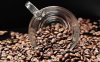
Coffee knowledge covers its origins (coffee cherries), types (Arabica, Robusta), processing (washed, natural), flavor profiles influenced by terroir (origin, soil, altitude) and roast (light, medium, dark), brewing methods, and cultural aspects, revealing how these factors create the complex tastes and aromas we enjoy, from fruity & floral to nutty & chocolatey. Key Aspects of Coffee Knowledge Coffee Origins & Plant: Beans come from seeds inside coffee cherries on the Coffea plant, grown in the "bean belt" between the tropics. Key species are Arabica (sweeter, popular) and Robusta (stronger, higher caffeine). Terroir & Processing: Flavor is shaped by region (e.g., Ethiopian fruitiness vs. Brazilian nuttiness), altitude, soil, and processing (drying beans inside the cherry vs. washing them). Roasting: Lighter roasts are brighter/acidic, medium roasts are balanced, and darker roasts are bolder/bitter; roasting develops deep brown colors and complex flavors. Tasting & Flavor: Coffee has sweet, sour, bitter, salty, and aromatic (floral, fruity, spicy, nutty, etc.) components, with sweetness often indicating careful processing. Brewing: Techniques like espresso, drip, or cold brew extract - Coffee is a beverage made from roasted, ground seeds of coffee cherries. Finland consumes the most coffee per capita. Brazil grows the most coffee in the world. -----
22 ธ.ค. 2025
THAI DURIAN (KING OF FRUIT)
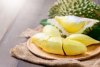
Thai durian is one of the country’s most iconic fruits, earning the title "King of Fruits” thanks to the rich, distinctive flavour that sets it apart from other varieties. If you're looking to try durian at its best, it's a seasonal fruit available about six months a year, typically from April to September. 1.April to June - Eastern Thailand produces most of the country's durian, with May being the peak month. 2.July to September - Southern Thailand takes over as the primary durian producing region. There are five main Thai durian varieties that are especially popular: 1.Monthong (Golden Pillow): Pale yellow flesh, smooth and dry texture, thick meat with small seeds. Very sweet with a mild aroma. 2.Chanee: Deep yellow flesh with a rich, creamy texture. Medium fibre content. When fully ripe, the flesh becomes soft and bold in both sweetness and smell. 3.Kanyao: Golden yellow flesh, soft and fine texture with a balanced sweet, creamy taste. Medium fibre, pleasantly aromatic. 4.Puangmanee: Deep yellow, sticky flesh with a thin layer of fruit. Intensely sweet with a fragrant aroma. 5.Gradoom: Bright yellow, soft textured flesh with a thinner layer of fruit and larger seeds. Mildly sweet, less creamy and tends to become mushy when overripe.
28 ธ.ค. 2025
This website uses cookies for best user experience, to find out more you can go to our นโยบายความเป็นส่วนตัว และ นโยบายคุกกี้
Powered By MakeWebEasy Logo MakeWebEasy