แชร์

อะลูมิเนียมเปลี่ยนเกม: จากกระป๋องสู่ Circular Economy สู่บรรจุภัณฑ์สีเขียวมาตรฐานใหม่ -บทความโดย SO OK TRADING : 28 MARCH 2026
อัพเดทล่าสุด: 28 มี.ค. 2026
189 ผู้เข้าชม

Aluminium Packaging: บรรจุภัณฑ์แห่งอนาคตที่ยั่งยืน และ ตอบโจทย์ Circular Economy และ Net Zero : บทความโดย SO OK TRADING : - 28 มีนาคม 2026

--------

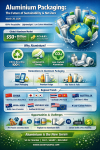
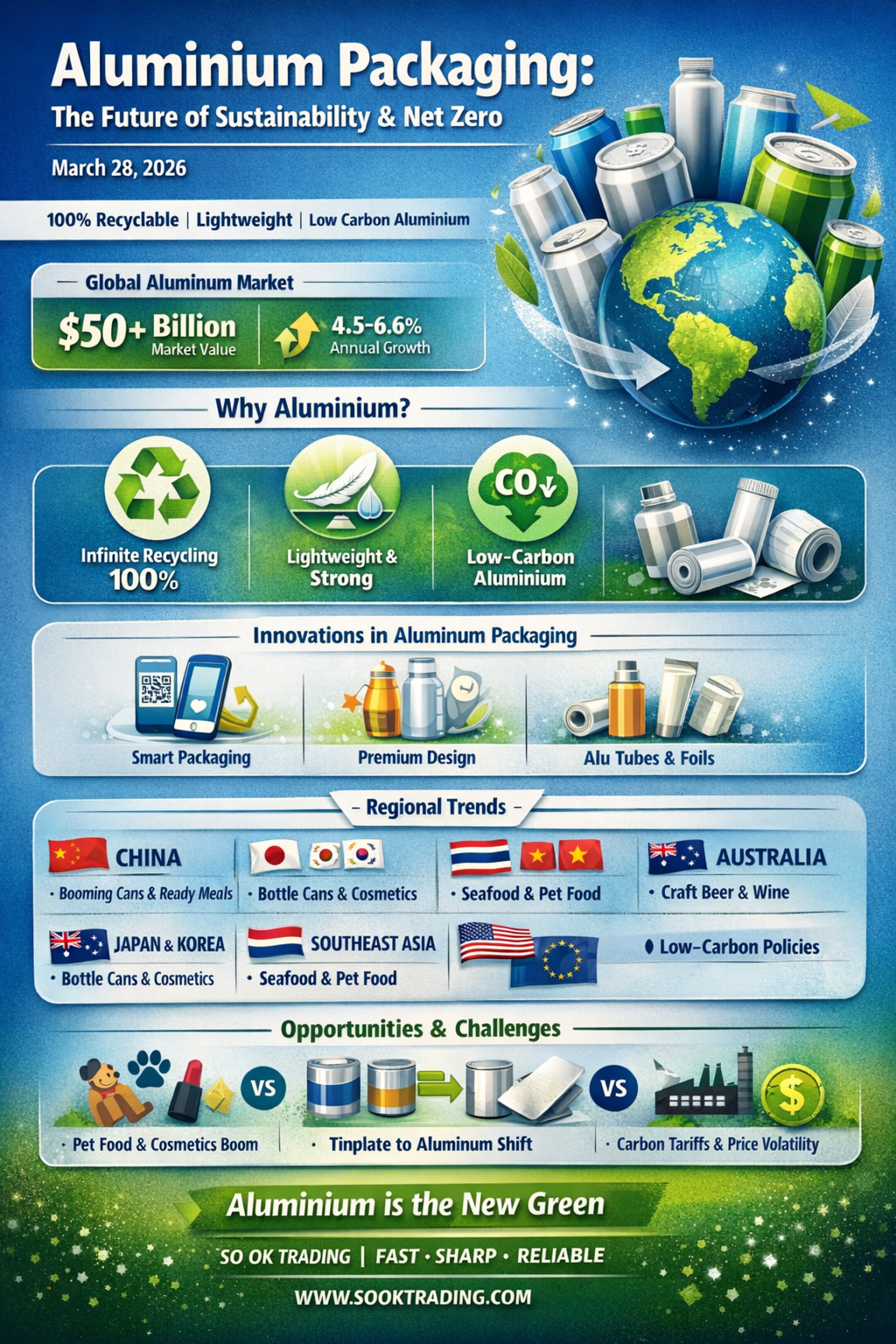
ในยุคที่โลกกำลังขับเคลื่อนด้วย Sustainability และ Circular Economy อะลูมิเนียมได้กลายเป็น “มาตรฐานใหม่” ของบรรจุภัณฑ์ ไม่ใช่แค่ทางเลือกอีกต่อไป เพราะรีไซเคิลได้ 100% ไม่สูญเสียคุณภาพ และตอบโจทย์ทั้งผู้บริโภคและกฎระเบียบสิ่งแวดล้อมทั่วโลก

 --------

ทำไมอะลูมิเนียมถึงมาแรง

รีไซเคิลไม่จำกัดครั้ง: คุณภาพไม่ลดลงแม้รีไซเคิลซ้ำ
Lightweighting: เบาแต่แข็งแรง ลดต้นทุนขนส่งและพลังงาน
Low-Carbon Aluminium: ตอบโจทย์ Net Zero และ CBAM ของยุโรป

+ เทรนด์บรรจุภัณฑ์รักโลก รักสิ่งแวดล้อม

-------- 

นวัตกรรมที่เปลี่ยนเกม : ALUMINUM PACKAGING

Smart Packaging: QR Code และ Tracking เชื่อมต่อผู้บริโภคกับแบรนด์
Aesthetic Design: ลวดลายพรีเมียมและ Personalization สร้างประสบการณ์เฉพาะบุคคล
Aluminium Tubes & Foils: ขยายการใช้งานในยาและเครื่องสำอาง

--------
 

ตลาดโลก vs ไทย : Aluminum Packaging ***

ตลาดโลก: มูลค่ากว่า 5 หมื่นล้านดอลลาร์ และคาดว่าจะโตเฉลี่ย 4.5–6.6% ต่อปี
ประเทศไทย: ตลาดโลหะบรรจุภัณฑ์รวมโต 3.5–4.1% ต่อปี โดยอะลูมิเนียมครองส่วนแบ่งสูงสุดในกลุ่มเครื่องดื่มและอาหารทะเลกระป๋อง
 

---------

รายละเอียด และ แนวโน้ม ALUMINUM PACKAGING ตามประเทศและภูมิภาค

จีน – ยักษ์ใหญ่ผู้ผลิตและผู้บริโภค

จุดแข็ง: ต้นทุนการผลิตต่ำและการสนับสนุนจากภาครัฐ
แนวโน้ม: กระป๋องเบียร์ น้ำอัดลม และอาหารพร้อมทานโตแรง
กลยุทธ์: เน้นการแทนที่พลาสติกเพื่อลดขยะ


ญี่ปุ่น & เกาหลีใต้ – ผู้นำนวัตกรรมและพรีเมียม

ญี่ปุ่น: นำตลาด Bottle Cans สำหรับกาแฟและเครื่องดื่มฟังก์ชันนัล
เกาหลีใต้: เน้นบรรจุภัณฑ์เครื่องสำอางและสกินแคร์
จุดเด่น: ระบบรีไซเคิลมีประสิทธิภาพสูง (Recycling Rate >90%)


ไทย & อาเซียน – ฐานการผลิตอาหารและเครื่องดื่ม

ไทย: ผู้นำส่งออกทูน่ากระป๋องและอาหารสัตว์เลี้ยง
เวียดนาม/กัมพูชา: ตลาดกระป๋องเบียร์โตแรง
จุดเด่น: ศูนย์กลางการส่งออกอาหารแปรรูป ทำให้ความต้องการฟอยล์และกระป๋องพุ่งสูง


ออสเตรเลีย – เน้นความยั่งยืนและเครื่องดื่มแอลกอฮอล์

แนวโน้ม: ไวน์และคราฟต์เบียร์เปลี่ยนมาใช้กระป๋องอะลูมิเนียม
จุดเด่น: มีแหล่งแร่บ็อกไซต์ในประเทศ และระบบมัดจำขวด/กระป๋องเข้มแข็ง


ตะวันออกกลาง & แอฟริกา – ตลาดใหม่ที่กำลังโต

ตะวันออกกลาง: น้ำดื่มและเครื่องดื่มชูกำลัง ใช้อะลูมิเนียมคาร์บอนต่ำจากโรงถลุงใน UAE/ซาอุฯ
แอฟริกา: เริ่มเปลี่ยนจากขวดแก้วเป็นกระป๋องอะลูมิเนียมเพื่อความสะดวกในการขนส่ง

ยุโรป – ผู้นำกฎระเบียบโลก

จุดแข็ง: Circular Economy และมาตรการ CBAM
แนวโน้ม: เน้น Low-Carbon Aluminium และบรรจุภัณฑ์ที่รีไซเคิลได้จริง 100%


อเมริกาเหนือ – ตลาดบริโภคขนาดใหญ่

แนวโน้ม: กระแส Canned Water มาแรง (เช่น Liquid Death)
จุดเด่น: ความต้องการสูงจนบางช่วงต้องนำเข้ากระป๋องจากเม็กซิโกและบราซิล
 
----------

⚖️ โอกาสและความท้าทาย สินค้า PACKAGING ALUMINUM และ FUTURE TREND ***

โอกาส: ตลาดอาหารสัตว์เลี้ยงและเครื่องสำอาง, การเปลี่ยนจาก Tinplate เป็น Aluminium
ความท้าทาย: ราคาวัตถุดิบผันผวน, การแข่งขันจากจีน, ภาษีคาร์บอน CBAM
 
----------
✨ Aluminium is the New Green

ในอนาคต Carbon Footprint จะเป็นตัวชี้วัดสำคัญมากกว่าราคาเพียงอย่างเดียว ผู้ผลิตที่สามารถเข้าสู่ Aluminium Loop และใช้ Low-Carbon Aluminium จะได้เปรียบในตลาดโลกระยะยาว

 ----------

SO OK TRADING : พันธมิตรทางธุรกิจของคุณ

SO OK TRADING : FAST SHARP RELIABLE 

VISIT US AT : WWW.SOOKTRADING.COM

----------


บทความที่เกี่ยวข้อง
ALUMINUM PRICE TREND 2026
An analysis of the aluminum market in 2026 indicates a likely continued market deficit and upward price pressure, driven by constrained supply and resilient demand from green energy sectors. However, significant volatility is expected due to policy uncertainties and the potential for new Indonesian supply to eventually balance the market. Key Drivers and Projections for 2026 Supply Side Analysis Capacity Constraints: China's primary aluminum output is approaching its self-imposed 45 million-tonne capacity cap, limiting global supply growth. Power Challenges: Smelters outside of China face intense competition for power from energy-intensive sectors like AI data centers, which are willing to pay higher prices for long-term contracts. This has kept significant capacity offline in Europe and the US. Production Disruptions: Outages and potential shutdowns at existing smelters in Iceland and Mozambique further tighten the market. Scrap Supply Pressure: The EU's planned implementation of the Carbon Border Adjustment Mechanism (CBAM) and potential scrap export tariffs in spring 2026 are expected to impact global scrap flows, creating regional shortages and price volatility. New Capacity: Indonesia is a key source of new supply, with several projects in the pipeline. However, analysts suggest the pace of the ramp-up may be slower than expected due to infrastructure and policy challenges, meaning it is unlikely to fully offset near-term tightness. Demand Side Analysis Green Transition Demand: Demand from "green" sectors such as solar panels, new energy vehicles, and energy transition infrastructure remains strong, providing fundamental support for the market. Substitution Effect: Aluminum's wide price discount relative to copper has encouraged substitution in electrical applications, acting as a tailwind for demand and prices. Construction and Automotive: The construction and automotive industries continue to be major consumers, with growing demand for lightweight, low-carbon aluminum products. Price Forecasts and Volatility The market is expected to remain in a deficit in 2026, with estimates ranging from 200,000 to 600,000 tonnes. This structural tightness is leading most analysts to forecast sustained or rising prices. Bullish Views: Analysts at Bank of America project prices of $3,000/tonne as early as 2026. J.P. Morgan also expects prices to approach $3,000/tonne in Q1 2026. ING forecasts an average price of $2,900/tonne for the year. Bearish/Conservative Views: Goldman Sachs is an outlier, forecasting prices to decline to $2,350/tonne by Q4 2026, anticipating a market surplus later in the year. SMM forecasts a "high first, then lower" pattern, with prices finding equilibrium in the $2,700–$2,800/tonne range by year-end. Premiums: Regional premiums, particularly the US Midwest premium, are expected to remain high and volatile due to tariffs and regional supply dynamics, creating a disconnect from the LME benchmark price. In essence, 2026 is projected to be a year of high volatility where participants need to focus on scenario readiness rather than relying on a single price forecast, as geopolitical and energy policies significantly influence regional supply and costs
31 ธ.ค. 2025
“RDF-3: พลิกเกมโรงปูน สู่พลังงานสะอาด ทางรอดยุค Net Zero — บทความโดย SO OK TRADING (15 มีนาคม 2026)"
RDF-3: เชื้อเพลิงขยะที่โรงปูนหลงรัก จากขยะสู่พลังงานสะอาด โรงปูนซีเมนต์ทั่วโลก—including ไทย—กำลังเปลี่ยนจากถ่านหินสู่ RDF เพื่อทั้งลดต้นทุนและลดคาร์บอนอย่างจริงจัง RDF-3 (Fluff RDF) คือดาวเด่นของวงการ: ขนาดเล็ก เผาไหม้เร็ว ค่าความร้อนสูง และไม่มีเถ้าเหลือทิ้ง   เทรนด์ระดับโลก: จีน ญี่ปุ่น เกาหลีใต้ ขยับสู่ SRF พรีเมียม พร้อมเทคโนโลยีคัดแยกอัจฉริยะ
15 มี.ค. 2026
This website uses cookies for best user experience, to find out more you can go to our นโยบายความเป็นส่วนตัว และ นโยบายคุกกี้
เปรียบเทียบสินค้า
0/4
ลบทั้งหมด
เปรียบเทียบ
Powered By MakeWebEasy Logo MakeWebEasy