ถ่านกะลามะพร้าวคืออะไร ทำไมทางจีนนำเข้าเยอะ ใช้เยอะ By SO OK TRADING
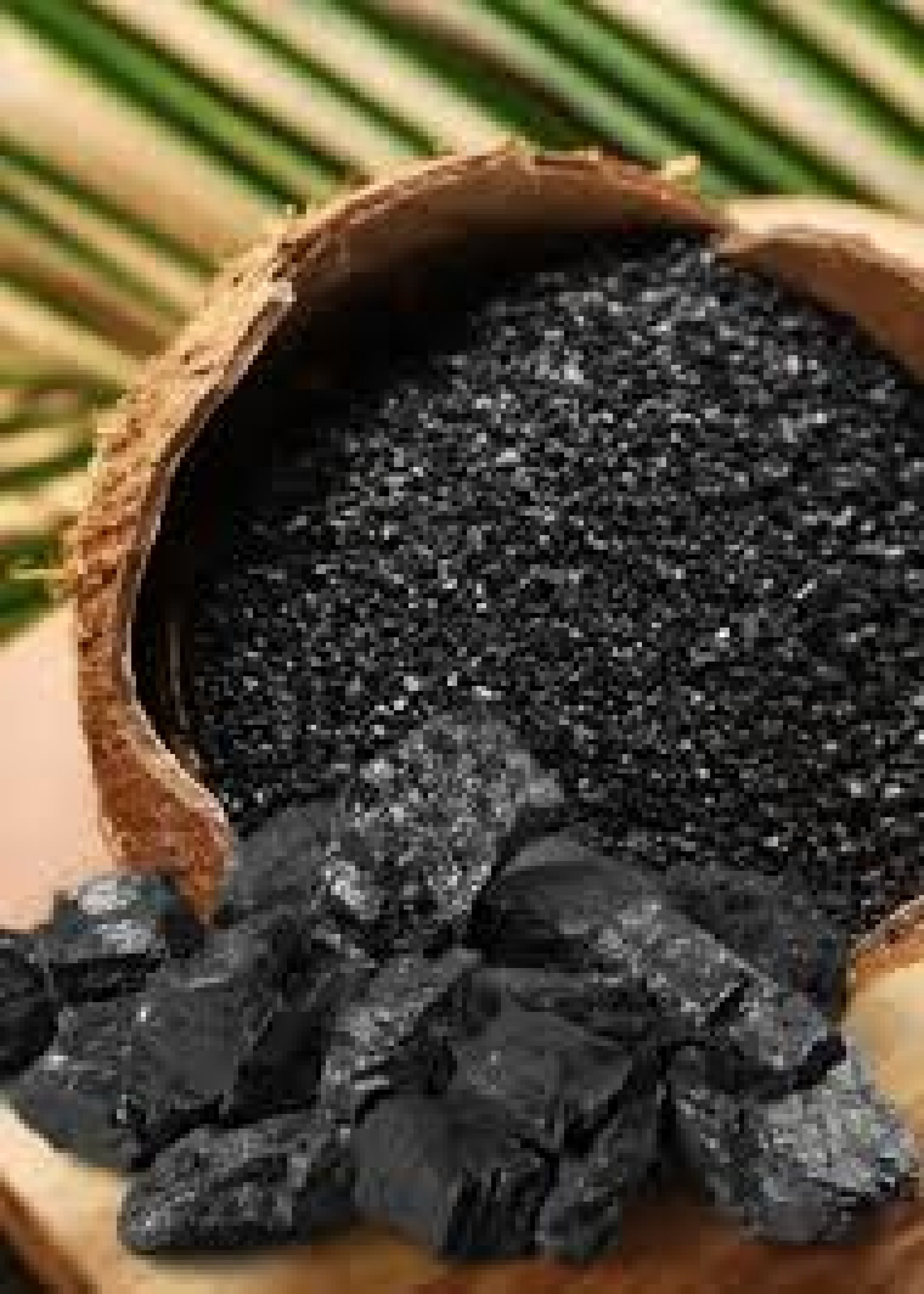
COCONUT CHARCOAL USAGE & WHY CHINA IMPORT A LOT
Coconut charcoal is prized for BBQ, water filtration (activated carbon), and deodorizing, but China imports heavily due to massive manufacturing/tech needs (batteries, water treatment) and local shell shortages from increased whole coconut exports for food/beverage, creating huge demand for high-quality raw material that domestic supply can't meet, despite efforts to find alternatives.
Uses of Coconut Charcoal
BBQ & Grilling: Burns longer, hotter, and cleaner with minimal smoke and a pleasant aroma, favored for food preparation.
Water & Air Purification (Activated Carbon): Its porous structure makes it excellent for adsorbing impurities in filters, a critical component in high-end water treatment and air purifiers.
Deodorizing: Small pouches are used in homes, cars, and fridges to absorb odors naturally.
Industrial Applications: Key for high-grade activated carbon used in gold recovery and emerging battery technologies (like sodium-ion batteries).
Why China Imports So Much
Massive Industrial Demand: China's vast manufacturing, water treatment, and growing tech sectors (especially batteries) create huge demand for activated carbon, which requires high-quality coconut shell charcoal.
Domestic Supply Shortage: Increased global demand for coconut products (water, oil) means more whole coconuts are exported, leaving fewer shells for domestic charcoal production in coconut-producing nations, tightening supply for China.
Environmental Regulations: China's "dual carbon" goals push industries towards high-quality, low-emission materials, favoring premium coconut shell charcoal over lower-grade alternatives, notes news.metal.com.
Quality & Technology: China leverages its advanced tech to process imported raw shells into export-grade products, but still needs the high-density shells for top-tier applications, says Huameicarbon and news.metal.com.
------
COCONUT CHARCOAL USAGE TREND
Coconut charcoal is experiencing significant growth driven by increasing demand for sustainable, eco-friendly products and its versatile applications in various industries, from barbecuing to advanced filtration and energy storage.
Key Usage Trends
Eco-Friendly Barbecuing (BBQ): This is a primary driver of demand in the US, Europe, and Australia. Consumers are increasingly choosing coconut charcoal as a sustainable alternative to traditional wood charcoal because it's made from a waste byproduct (coconut shells) and doesn't contribute to deforestation. It offers a cleaner, low-smoke, and long-lasting burn that allows the natural flavor of food to emerge.
Hookah/Shisha Market: Coconut charcoal cubes are the preferred choice in the Middle East and other regions for shisha use due to their consistent, odorless, and smokeless burn, which preserves the tobacco's flavor.
Activated Carbon Production: Coconut shell charcoal is a key raw material for high-quality activated carbon, which has strong adsorbent properties.Filtration and Purification: Activated carbon from coconut charcoal is widely used in water treatment, air purification systems, and industrial filtration (pharmaceuticals, food processing) to remove impurities and toxins.
Health and Beauty Products: It is a popular ingredient in cosmetics like face masks, cleansers, and personal care items such as natural teeth whitening toothpaste due to its detoxifying properties.
Industrial Applications: It is increasingly used as a clean-burning fuel in industrial furnaces, as a reducing agent in metallurgy, and for gold recovery processes. A notable emerging trend is its use in the production of hard carbon for sodium-ion batteries, a growth area in the energy storage sector.
Sustainable Energy/Biofuel: The push toward renewable energy sources has fueled the demand for coconut charcoal as a cleaner fuel alternative, used in clean cookstoves in developing regions and processed into briquettes/pellets for industrial boilers.
Market Growth and Outlook
The market for coconut charcoal is expanding globally, projected to grow at a CAGR of over 6%.
North America holds a major market share, driven by strong consumer demand for natural and sustainable products.
Asia-Pacific is the fastest-growing region, owing to abundant raw materials (Indonesia, the Philippines, India, Sri Lanka) and rising environmental awareness.
The market is facing challenges related to the volatility of raw material supply (affected by weather and crop cycles) and fluctuating shipping costs, which has led to price increases in 2024 and 2025.
Overall, the trend is a shift towards coconut charcoal as a versatile, premium, and environmentally responsible material across both consumer and industrial applications.
-----
IF INTERESTED TO BUY COCONUT CHARCOAL FROM THAILAND PLEASE GIVE INQUIRY TO SO OK TRADING