共有

ถ่านกะลามะพร้าวคืออะไร ทำไมทางจีนนำเข้าเยอะ ใช้เยอะ By SO OK TRADING
Last updated: 23 Dec 2025
511 Views

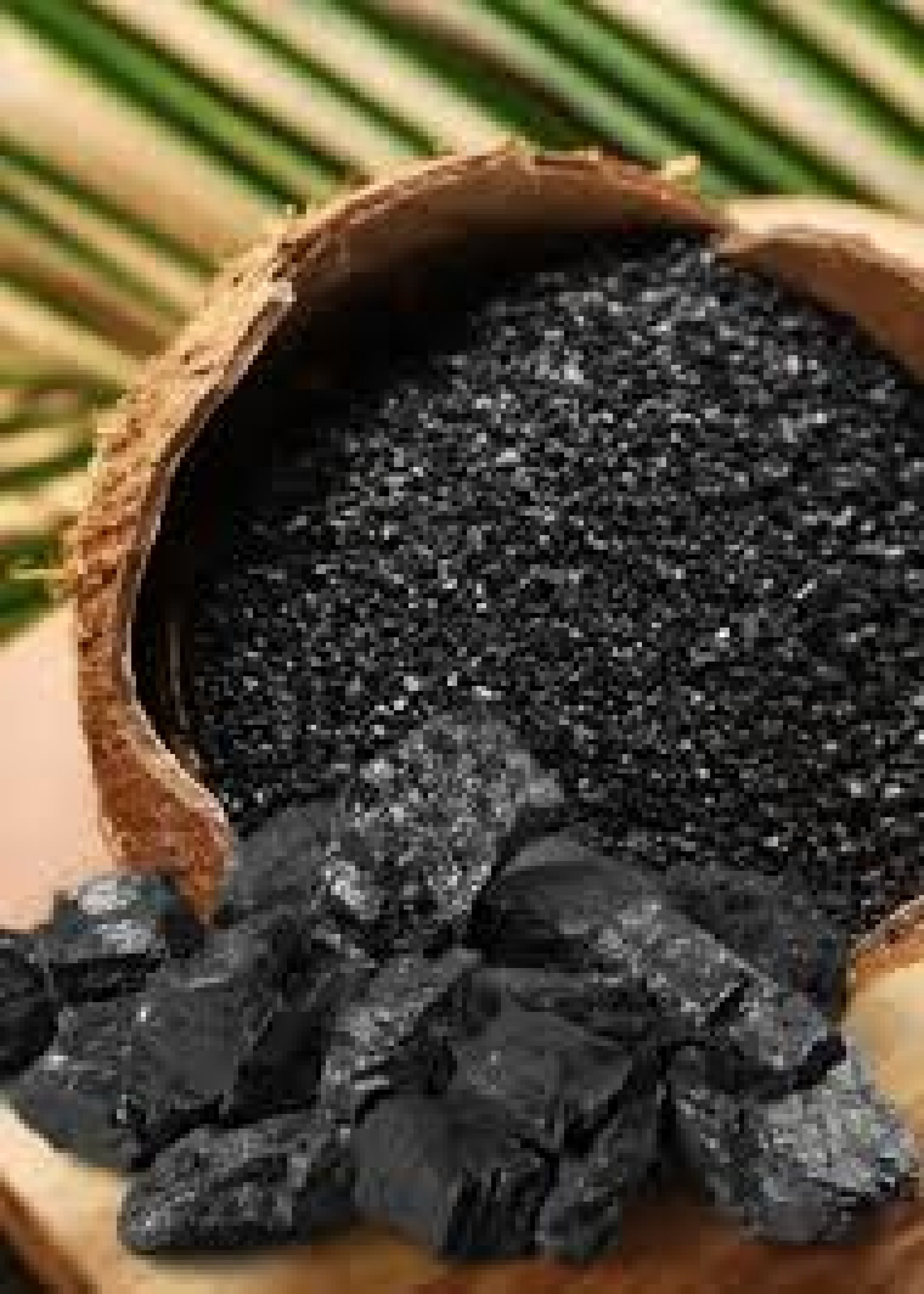
COCONUT CHARCOAL USAGE & WHY CHINA IMPORT A LOT

Coconut charcoal is prized for BBQ, water filtration (activated carbon), and deodorizing, but China imports heavily due to massive manufacturing/tech needs (batteries, water treatment) and local shell shortages from increased whole coconut exports for food/beverage, creating huge demand for high-quality raw material that domestic supply can't meet, despite efforts to find alternatives. 
 
Uses of Coconut Charcoal
BBQ & Grilling: Burns longer, hotter, and cleaner with minimal smoke and a pleasant aroma, favored for food preparation.
Water & Air Purification (Activated Carbon): Its porous structure makes it excellent for adsorbing impurities in filters, a critical component in high-end water treatment and air purifiers.
Deodorizing: Small pouches are used in homes, cars, and fridges to absorb odors naturally.
Industrial Applications: Key for high-grade activated carbon used in gold recovery and emerging battery technologies (like sodium-ion batteries). 
 
Why China Imports So Much
Massive Industrial Demand: China's vast manufacturing, water treatment, and growing tech sectors (especially batteries) create huge demand for activated carbon, which requires high-quality coconut shell charcoal.
Domestic Supply Shortage: Increased global demand for coconut products (water, oil) means more whole coconuts are exported, leaving fewer shells for domestic charcoal production in coconut-producing nations, tightening supply for China.
Environmental Regulations: China's "dual carbon" goals push industries towards high-quality, low-emission materials, favoring premium coconut shell charcoal over lower-grade alternatives, notes news.metal.com.
Quality & Technology: China leverages its advanced tech to process imported raw shells into export-grade products, but still needs the high-density shells for top-tier applications, says Huameicarbon and news.metal.com.

------

COCONUT CHARCOAL USAGE TREND

Coconut charcoal is experiencing significant growth driven by increasing demand for sustainable, eco-friendly products and its versatile applications in various industries, from barbecuing to advanced filtration and energy storage. 
 
Key Usage Trends
Eco-Friendly Barbecuing (BBQ): This is a primary driver of demand in the US, Europe, and Australia. Consumers are increasingly choosing coconut charcoal as a sustainable alternative to traditional wood charcoal because it's made from a waste byproduct (coconut shells) and doesn't contribute to deforestation. It offers a cleaner, low-smoke, and long-lasting burn that allows the natural flavor of food to emerge.
Hookah/Shisha Market: Coconut charcoal cubes are the preferred choice in the Middle East and other regions for shisha use due to their consistent, odorless, and smokeless burn, which preserves the tobacco's flavor.
Activated Carbon Production: Coconut shell charcoal is a key raw material for high-quality activated carbon, which has strong adsorbent properties.Filtration and Purification: Activated carbon from coconut charcoal is widely used in water treatment, air purification systems, and industrial filtration (pharmaceuticals, food processing) to remove impurities and toxins.
Health and Beauty Products: It is a popular ingredient in cosmetics like face masks, cleansers, and personal care items such as natural teeth whitening toothpaste due to its detoxifying properties.
Industrial Applications: It is increasingly used as a clean-burning fuel in industrial furnaces, as a reducing agent in metallurgy, and for gold recovery processes. A notable emerging trend is its use in the production of hard carbon for sodium-ion batteries, a growth area in the energy storage sector.
Sustainable Energy/Biofuel: The push toward renewable energy sources has fueled the demand for coconut charcoal as a cleaner fuel alternative, used in clean cookstoves in developing regions and processed into briquettes/pellets for industrial boilers. 
 
Market Growth and Outlook
The market for coconut charcoal is expanding globally, projected to grow at a CAGR of over 6%. 
North America holds a major market share, driven by strong consumer demand for natural and sustainable products.
Asia-Pacific is the fastest-growing region, owing to abundant raw materials (Indonesia, the Philippines, India, Sri Lanka) and rising environmental awareness.
The market is facing challenges related to the volatility of raw material supply (affected by weather and crop cycles) and fluctuating shipping costs, which has led to price increases in 2024 and 2025. 
Overall, the trend is a shift towards coconut charcoal as a versatile, premium, and environmentally responsible material across both consumer and industrial applications. 

-----

IF INTERESTED TO BUY COCONUT CHARCOAL FROM THAILAND PLEASE GIVE INQUIRY TO SO OK TRADING


関連コンテンツ
「2026年 世界・タイ経済展望:AI、クリーンエネルギー、そして戦略的コモディティの台頭」 SO OK TRADINGによる記事
日本語版イントロダクション 2026年は、世界経済とタイ経済にとって大きな転換期となる一年です。 世界は AI とクリーンエネルギー によって牽引され、さらに 金・銀・銅・アルミニウム といった戦略的コモディティが台頭しています。 世界経済は引き続き成長を続けていますが、貿易戦争や地政学的リスクが依然として重圧となっています。タイは現在 移行期 (Transition) にあり、外国直接投資(FDI)の誘致や研究開発(R&D)への投資拡大が急務となっています。 本記事では、SO OK TRADING が 2026 年の世界経済とタイ経済の展望を深掘りし、注目すべき新しい成長機会を紹介します。 それは デジタル技術、総合医療、クリーンエネルギー、そして急成長するライフスタイル市場 にまで広がっています。2026年は、世界経済とタイ経済にとって重要な転換期となります。 人工知能(AI) と クリーンエネルギー によって牽引され、世界は 金・銀・銅・アルミニウム といった戦略的コモディティの台頭を目の当たりにしています。 世界経済は成長を続けていますが、タイは依然として 移行期(Transition) にあり、外国直接投資(FDI)の誘致と研究開発(R&D)の強化が求められています。これにより、医療ハブ、グリーン製造、ライフスタイル市場 といった新たな機会を捉えることが可能となります。
17 Feb 2026
BIO MASS, BIO ENERGY
Green Energy, Good Value Why SOOK TRADING
18 Oct 2025
RDF (เชื้อเพลิงชีวมวลจากวัสดุเหลือใช้และขยะ): เชื้อเพลิง RDF คืออะไร และ ทำประโยชน์อะไรกับ Green Energy ได้บ้าง
Refuse Derived Fuel : RDF โดยทั่วไปนิยมเรียกว่า เชื้อเพลิงขยะ แต่สำหรับคณะกรรมาธิการการทรัพยากรธรรมชาติและสิ่งแวดล้อม สนช. เรียกว่า ก้อนเชื้อเพลิงขยะ และได้มีการพิจารณาศึกษา RDF ซึ่งเป็นประโยชน์กับการจัดการขยะชุมชน รวมทั้งขยะอุตสาหกรรมที่ไม่ใช่ขยะอันตราย ซึ่งมีการทิ้งปะปนกันจนแยกออกได้ยาก จึงขออนุญาตสรุปเนื้อหาของผลการศึกษาจากคณะกรรมาธิการพร้อมแนวคิดจากประสบการณ์ เพื่อเป็นแนวทางการจัดการขยะแบบไทยๆ ดังนี้ การผลิต RDF เป็นแนวทางที่ประเทศพัฒนาแล้วใช้อยู่ โดยเฉพาะอย่างยิ่งในภาคพื้นยุโรป เช่น เยอรมนี สวีเดน ฟินแลนด์ ฯลฯ ทั้งขยะใหม่และขยะเก่าที่ตกค้างในบ่อฝังกลบ สามารถนำมาผลิต RDF ได้ดี การผลิต RDF สามารถทำได้โดยเทคโนโลยีคนไทย เครื่องจักรผลิตในไทย ไปจนถึงการนำเข้าเครื่องจักรคุณภาพสูงจากต่างประเทศในกรณีที่ต้องการผลิตจำนวนมากๆ ตั้งแต่ 100 ตันต่อวันขึ้นไป เมื่อปี พ.ศ. 2557 กรมพัฒนาพลังงานทดแทนและอนุรักษ์พลังงาน ได้ศึกษาพื้นที่ศักยภาพเบื้องต้นว่า มีการผลิต RDF ไม่น้อยกว่า 90 แห่งทั่วประเทศ จากการสำรวจพื้นที่ผลิต RDF 21 แห่ง ใน 15 จังหวัด พบว่ามีการลงทุนกว่า 3,000 ล้านบาท เงินทุนหมุนเวียนสู่ชุมชน 570 ล้านบาท สามารถคืนทุนได้ในเวลา 10-13 ปี ราคาขายของ RDF เริ่มต้นตันละ 500-1,200 บาท ขึ้นอยู่กับคุณภาพและค่าความร้อนของ RDF (ปกติอยู่ระหว่าง 3,000-5,000 กิโลแคลอรี่ต่อกิโลกรัม) ปัญหาของการผลิต RDF ก็คือ ตลาด ซึ่งมีผู้ซื้อน้อยราย ความต้องการใช้ RDF น้อยกว่าปริมาณที่มีการผลิต อีกทั้งจุดรับซื้อมีเพียงไม่กี่จุดทั่วประเทศ เท่าที่มีโรงงานผลิตปูนซีเมนต์ จากการที่มีการผลิต RDF จากบ่อฝังกลบและจากขยะใหม่ในปริมาณมาก RDF จึงล้นตลาดจนราคาซื้อขายไม่คุ้มค่าการลงทุน อีกทั้งโรงไฟฟ้าที่ใช้เชื้อเพลิงขยะส่วนใหญ่ก็มีภาระในการจัดการขยะตามสัญญากับองค์กรปกครองส่วนท้องถิ่น เมื่อราคาตํ่ามากๆ ทำให้เชื้อเพลิง RDF ถูกนำไปใช้ในโรงไฟฟ้าประเภทต่างๆ อย่างไม่เป็นทางการ ดังนั้น สมาคมการค้าพลังงานขยะ จึงได้มีหนังสือถึงประธานคณะกรรมการกำกับกิจการพลังงาน ให้มีการสนับสนุนยกระดับเชื้อเพลิงขยะให้เป็นเชื้อเพลิงเชิงพาณิชย์ เพื่อให้เกิดธุรกิจการค้าที่มั่นคงและเป็นที่ยอมรับของสถาบันการเงินต่างๆ พร้อมกันนี้ทางสมาคมการค้าพลังงานขยะ ยังได้มีเสนอแนวทางการจัดประเภทของ RDF ให้เหมาะสมกับสภาพความเป็นจริงของประเทศไทย เพื่อสะดวกต่อการส่งเสริมของภาครัฐและสามารถกำหนดราคาซื้อขายได้อย่างเหมาะสมและเป็นธรรมต่อทุกฝ่าย ประเภท กระบวนการผลิตเชื้อเพลิง (Method of Manufacture) กลุ่มลูกค้าที่ใช้ RDF RDFRDF – 1 RDF เกรดพรีเมียม (Solid Recovered Fuel : SRF) ผ่านการย่อย-คัดแยกชนิด และขนาดด้วยเครื่องจักร มีขนาด RDF 50-100 มิลลิเมตร ค่าความร้อนสูง อุตสาหกรรมปูนซีเมนต์ และโรงงานอุตสาหกรรม RDF – 2 RDF คุณภาพสูง ผ่านเครื่องย่อย-คัดแยกชนิดและขนาด RDF มีขนาด 90-150 มิลลิเมตร ค่าความร้อนสูง โรงไฟฟ้าพลังงานขยะ และเป็นเชื้อเพลิงเสริมโรงไฟฟ้าชีวมวล RDF – 3 RDF คุณภาพปานกลาง ผ่านการย่อยและคัดแยกเบื้องต้น ขนาด RDF 200-300 มิลลิเมตร ค่าความร้อนปานกลาง-สูง โรงไฟฟ้าขยะทั่วไป RDF – 4 RDF จากบ่อฝังกลบ ผ่านการร่อนด้วยเครื่องจักร แยกดินออก RDF มีขนาดใหญ่เล็กตามสภาพ ต้องนำไปปรับปรุงคุณภาพก่อนใช้เป็นเชื้อเพลิง ลูกค้าที่มีระบบปรับปรุงคุณภาพขยะ ขอยกตัวอย่างบทสรุปจากสมุดปกขาว “เชื้อเพลิงขยะ (RDF) ทางออกของการจัดการขยะชุมชน” 1. โรงงานปูนซีเมนต์ทั้ง 4 แห่งในประเทศไทย ที่รับซื้อ RDF ในพื้นที่มีไม่ทั่วถึงเพียงพอที่จะรับขยะชุมชน 2. ภาคตะวันออก ภาคตะวันออกเฉียงเหนือ และภาคใต้ตอนบน ไม่มีโรงงานปูนซีเมนต์ตั้งอยู่ 3. ราคาเชื้อเพลิงจากฟอสซิล มีผลต่อราคาและการรับซื้อ RDF 4. องค์กรปกครองส่วนท้องถิ่นส่วนใหญ่ ไม่รู้วิธีการผลิต RDF ให้ได้คุณภาพ เพื่อให้ได้ราคาดี 5. รัฐบาลควรส่งเสริมและสนับสนุนให้องค์กรปกครองส่วนท้องถิ่น/ชุมชนผลิตเชื้อเพลิงขยะ RDF ที่มีคุณภาพโดยผ่านการทำสัญญาแบบ Supply Chain ในระยะยาว และสร้างระบบประกันคุณภาพและราคาขาย รวมทั้งค่าขนส่งสามารถปรับตามราคาเชื้อเพลิง 6. การผลิต RDF มุ่งเน้นการกำจัดขยะที่ตกค้างและเกิดขึ้นใหม่อย่างเป็นระบบ ควรใช้เป็นโอกาสให้มีผลต่อการคัดแยกขยะ และการเปลี่ยนแปลงพฤติกรรมคนไทยในอนาคต 7. การผลิต RDF มีผลประโยชน์ร่วมหลายด้าน เช่น ลดปัญหานํ้าเสีย การแพร่ระบาดของโรค สร้างรายได้ให้องค์กรปกครองส่วนท้องถิ่นและชุมชน ได้พื้นที่ขยะที่ฝังกลบหรือกองทิ้งมาใช้ประโยชน์ด้านอื่นๆ ลดการนำเข้าเชื้อเพลิง ลดความขัดแย้ง และเป็นการร่วมกับประชาคมโลกในการลดภาวะโลกร้อน “ขยะไม่ใช่ทอง แต่เป็นของเสียที่ต้องช่วยกันกำจัด” RDF 3: Recycling Energy
24 Nov 2025
This website uses cookies for best user experience, to find out more you can go to our Privacy Policy そして Cookies Policy
Compare product
0/4
すべて削除
比較する
Powered By MakeWebEasy Logo MakeWebEasy