「Yong Jie 新材料——从中国到泰国,革新铝制包装:未来供应,颠覆罐体、盖片与拉环」 SO OK TRADING|2026年6月25日
Last updated: 25 Jun 2026
102 Views

永杰新材料 – 颠覆全球铝包装格局:从易拉罐到瓶盖与拉环 来自中国的新供应,准备进入泰国包装市场 | SO OK TRADING | 2026年6月25日
在竞争激烈的包装世界里,5000系列铝合金(镁合金)正逐渐成为真正的主角。它兼具耐腐蚀、轻量、易成型、不生锈等优势,被广泛应用于我们每天熟悉的易拉罐、瓶盖和拉环。
全球品牌选择的优势
罐体(Can Body):采用3000系与5000系铝材,薄而轻却坚固,能承受气体压力并适合二片式成型。 罐盖(Can Ends & Lids):饮料罐用3000系,食品罐用5000系。
3104 H19 → 饮料罐
5182 → 黄金标准,坚固耐压
5042 H19 → 高端规格 Easy Open Ends,超硬 Temper
5148 H48 → 特殊合金,薄壁成型仍保持强度
拉环(Tab/Stay):
5052 / 5082 → 韧性强,柔性好,不易断裂
5142 H32 → 适合需要高柔性的瓶盖部件
永杰新材料 – 收购 Arconic 后的新力量
18亿美元重大并购 → 收购 Arconic 中国
产能提升:485,000 → 735,000 吨/年
世界级技术:承接 Alcoa/Arconic 的设备与冶金技术
高端规格生产:H19 / H48,满足欧美市场与全球品牌需求
全球供应链:与福特汽车及顶级饮料品牌签订供货合同
泰国包装市场 2026 – 机遇与挑战
金属包装:因功能饮料、手工苏打、宠物食品而快速增长
塑料包装:仍占大市场,但受欧洲 PPWR 法规压力
纸包装:持续增长,但面临来自中国的低价竞争
包装的宏观趋势
Beyond the Box:循环价值链与生物基包装
AI & 智能包装:AI质检 + QR/NFC实现可追溯性
单一材料设计:采用单一材料,便于回收
泰国铝包装 – 增长最快的明星
市场规模:19.1亿美元(约6,800亿泰铢)
铝在金属包装中的占比:69.03%
泰国与国际大企业加速投资,如 BGC 与东洋制罐
热门技术
纤细罐(Sleek & Slim Can):满足高端市场的纤薄设计
轻量化(Lightweighting):减薄但保持强度 → 需要 H19/H48 规格
闭环回收(Closed-Loop Recycling):推动回收率超过70%,符合 ASI 标准
永杰新材料不仅是铝材制造商,从易拉罐、瓶盖到拉环一应俱全。凭借世界级技术与庞大产能,永杰的进入正在重塑泰国及东盟市场格局。
SO OK TRADING – 您的商业伙伴 FAST | SHARP | RELIABLE www.sooktrading.com | Facebook: SO OK TRADING
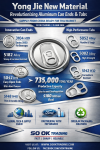
在竞争激烈的包装世界里,5000系列铝合金(镁合金)正逐渐成为真正的主角。它兼具耐腐蚀、轻量、易成型、不生锈等优势,被广泛应用于我们每天熟悉的易拉罐、瓶盖和拉环。
全球品牌选择的优势
罐体(Can Body):采用3000系与5000系铝材,薄而轻却坚固,能承受气体压力并适合二片式成型。 罐盖(Can Ends & Lids):饮料罐用3000系,食品罐用5000系。
3104 H19 → 饮料罐
5182 → 黄金标准,坚固耐压
5042 H19 → 高端规格 Easy Open Ends,超硬 Temper
5148 H48 → 特殊合金,薄壁成型仍保持强度
拉环(Tab/Stay):
5052 / 5082 → 韧性强,柔性好,不易断裂
5142 H32 → 适合需要高柔性的瓶盖部件
永杰新材料 – 收购 Arconic 后的新力量
18亿美元重大并购 → 收购 Arconic 中国
产能提升:485,000 → 735,000 吨/年
世界级技术:承接 Alcoa/Arconic 的设备与冶金技术
高端规格生产:H19 / H48,满足欧美市场与全球品牌需求
全球供应链:与福特汽车及顶级饮料品牌签订供货合同
泰国包装市场 2026 – 机遇与挑战
金属包装:因功能饮料、手工苏打、宠物食品而快速增长
塑料包装:仍占大市场,但受欧洲 PPWR 法规压力
纸包装:持续增长,但面临来自中国的低价竞争
包装的宏观趋势
Beyond the Box:循环价值链与生物基包装
AI & 智能包装:AI质检 + QR/NFC实现可追溯性
单一材料设计:采用单一材料,便于回收
泰国铝包装 – 增长最快的明星
市场规模:19.1亿美元(约6,800亿泰铢)
铝在金属包装中的占比:69.03%
泰国与国际大企业加速投资,如 BGC 与东洋制罐
热门技术
纤细罐(Sleek & Slim Can):满足高端市场的纤薄设计
轻量化(Lightweighting):减薄但保持强度 → 需要 H19/H48 规格
闭环回收(Closed-Loop Recycling):推动回收率超过70%,符合 ASI 标准
永杰新材料不仅是铝材制造商,从易拉罐、瓶盖到拉环一应俱全。凭借世界级技术与庞大产能,永杰的进入正在重塑泰国及东盟市场格局。
SO OK TRADING – 您的商业伙伴 FAST | SHARP | RELIABLE www.sooktrading.com | Facebook: SO OK TRADING
Related Content
An analysis of the aluminum market in 2026 indicates a likely continued market deficit and upward price pressure, driven by constrained supply and resilient demand from green energy sectors. However, significant volatility is expected due to policy uncertainties and the potential for new Indonesian supply to eventually balance the market.
Key Drivers and Projections for 2026
Supply Side Analysis
Capacity Constraints: China's primary aluminum output is approaching its self-imposed 45 million-tonne capacity cap, limiting global supply growth.
Power Challenges: Smelters outside of China face intense competition for power from energy-intensive sectors like AI data centers, which are willing to pay higher prices for long-term contracts. This has kept significant capacity offline in Europe and the US.
Production Disruptions: Outages and potential shutdowns at existing smelters in Iceland and Mozambique further tighten the market.
Scrap Supply Pressure: The EU's planned implementation of the Carbon Border Adjustment Mechanism (CBAM) and potential scrap export tariffs in spring 2026 are expected to impact global scrap flows, creating regional shortages and price volatility.
New Capacity: Indonesia is a key source of new supply, with several projects in the pipeline. However, analysts suggest the pace of the ramp-up may be slower than expected due to infrastructure and policy challenges, meaning it is unlikely to fully offset near-term tightness.
Demand Side Analysis
Green Transition Demand: Demand from "green" sectors such as solar panels, new energy vehicles, and energy transition infrastructure remains strong, providing fundamental support for the market.
Substitution Effect: Aluminum's wide price discount relative to copper has encouraged substitution in electrical applications, acting as a tailwind for demand and prices.
Construction and Automotive: The construction and automotive industries continue to be major consumers, with growing demand for lightweight, low-carbon aluminum products.
Price Forecasts and Volatility
The market is expected to remain in a deficit in 2026, with estimates ranging from 200,000 to 600,000 tonnes. This structural tightness is leading most analysts to forecast sustained or rising prices.
Bullish Views: Analysts at Bank of America project prices of $3,000/tonne as early as 2026. J.P. Morgan also expects prices to approach $3,000/tonne in Q1 2026. ING forecasts an average price of $2,900/tonne for the year.
Bearish/Conservative Views: Goldman Sachs is an outlier, forecasting prices to decline to $2,350/tonne by Q4 2026, anticipating a market surplus later in the year. SMM forecasts a "high first, then lower" pattern, with prices finding equilibrium in the $2,700–$2,800/tonne range by year-end.
Premiums: Regional premiums, particularly the US Midwest premium, are expected to remain high and volatile due to tariffs and regional supply dynamics, creating a disconnect from the LME benchmark price.
In essence, 2026 is projected to be a year of high volatility where participants need to focus on scenario readiness rather than relying on a single price forecast, as geopolitical and energy policies significantly influence regional supply and costs
31 Dec 2025