「铝再熔革命——将废料转化为未来动力,循环经济与净零时代」 SO OK TRADING:2026年5月23日
最后更新: 23 五月 2026
2229 浏览量
铝再熔——让废料成为新产业动力,循环经济与净零时代 SO OK TRADING | 2026年5月23日
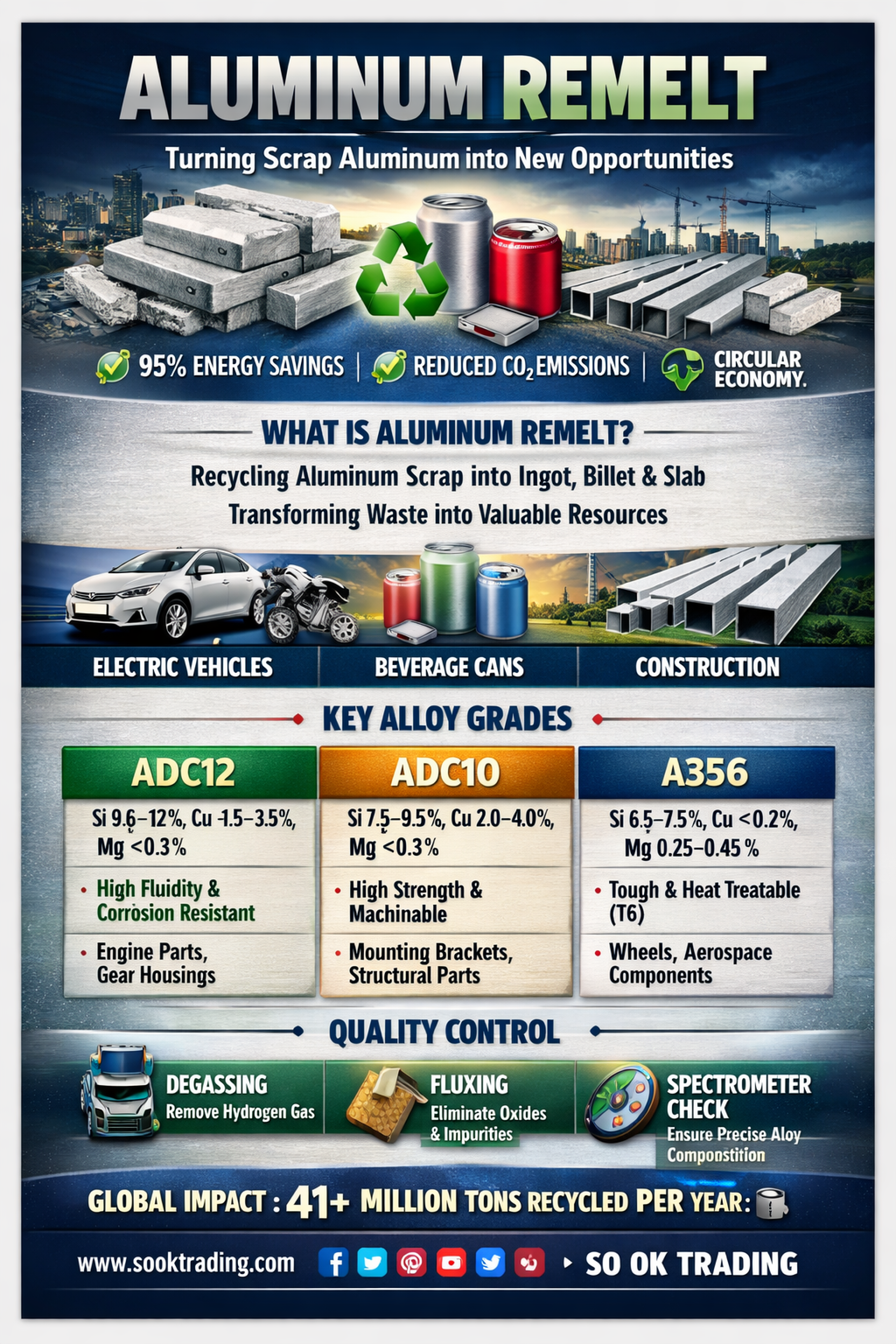
♻️ 什么是铝再熔? 铝再熔(Aluminum Remelt)是指将生产过程中产生的铝废料或报废产品重新熔化,改善其性能,并铸造成 铝锭 (Ingot)、铝棒 (Billet)、铝板坯 (Slab),再供应给工业使用。 这一过程与原生铝生产相比可节省 高达95%的能源,并有效减少碳排放,契合 循环经济 (Circular Economy) 与 净零 (Net Zero) 的目标。
主要应用行业
汽车行业: 使用 ADC12、ADC10 等合金进行高压压铸零件(发动机盖、齿轮箱等)。随着电动车的普及,车身、车轮、发动机等部位对再生铝的需求不断增加。
包装行业: 将铝板坯轧制成饮料罐,铝罐可无限循环再利用。
建筑行业: 通过挤压工艺将铝棒制成轻质且耐用的建筑结构材料。
⚙️ 合金规格解析
ADC12 (JIS 标准)
成分: Si 9.6–12.0%, Cu 1.5–3.5%, Mg <0.3%
特性: 流动性极佳,耐腐蚀,机械强度高
应用: 发动机盖、齿轮箱、电子电器外壳
亮点: 最常用、最受欢迎的压铸合金
ADC10 (JIS 标准)
成分: Si 7.5–9.5%, Cu 2.0–4.0%, Mg <0.3%
特性: 强度和抗拉性能优于 ADC12,但流动性和耐腐蚀性稍逊
应用: 发动机支架、承受高应力的零件、需进一步加工的部件
亮点: 适合高强度和抗冲击要求的应用
A356 (ASTM/AA 标准)
成分: Si 6.5–7.5%, Cu <0.2%, Mg 0.25–0.45%
特性: 韧性高,抗冲击力强,可通过 T6 热处理进一步增强
应用: 铝合金车轮、汽车悬挂部件、飞机零件、液压泵
亮点: 适用于安全性要求极高的结构件
提升质量的关键技术
脱气 (Degassing): 去除氢气,防止铝件产生气孔
熔剂处理 (Fluxing): 去除油污和氧化膜
光谱仪检测 (Spectrometer Check): 精确检测 Si、Cu、Mg 含量,确保合金符合标准
全球与泰国市场
全球市场: 再生铝使用量每年超过 4114万吨,预计到2031年将增长至 5136万吨
泰国市场: 年需求量约 350–400万吨,市场规模超过 82.3亿美元。其中汽车和饮料包装行业最为突出,铝罐回收率高达 78%,位居东盟前列。
需求增长的驱动因素
CBAM 政策(欧盟与美国): 强制使用低碳铝
电动车浪潮 (EV): 对轻质且坚固的铝结构材料需求激增
总结
铝再熔不仅仅是回收,更是 从废料中创造新价值的革新。 它在环境与经济层面上都为世界带来真正的推动力。
SO OK TRADING — 您的商业合作伙伴 FAST | SHARP | RELIABLE www.sooktrading.com Facebook: SO OK TRADING
♻️ 什么是铝再熔? 铝再熔(Aluminum Remelt)是指将生产过程中产生的铝废料或报废产品重新熔化,改善其性能,并铸造成 铝锭 (Ingot)、铝棒 (Billet)、铝板坯 (Slab),再供应给工业使用。 这一过程与原生铝生产相比可节省 高达95%的能源,并有效减少碳排放,契合 循环经济 (Circular Economy) 与 净零 (Net Zero) 的目标。
主要应用行业
汽车行业: 使用 ADC12、ADC10 等合金进行高压压铸零件(发动机盖、齿轮箱等)。随着电动车的普及,车身、车轮、发动机等部位对再生铝的需求不断增加。
包装行业: 将铝板坯轧制成饮料罐,铝罐可无限循环再利用。
建筑行业: 通过挤压工艺将铝棒制成轻质且耐用的建筑结构材料。
⚙️ 合金规格解析
ADC12 (JIS 标准)
成分: Si 9.6–12.0%, Cu 1.5–3.5%, Mg <0.3%
特性: 流动性极佳,耐腐蚀,机械强度高
应用: 发动机盖、齿轮箱、电子电器外壳
亮点: 最常用、最受欢迎的压铸合金
ADC10 (JIS 标准)
成分: Si 7.5–9.5%, Cu 2.0–4.0%, Mg <0.3%
特性: 强度和抗拉性能优于 ADC12,但流动性和耐腐蚀性稍逊
应用: 发动机支架、承受高应力的零件、需进一步加工的部件
亮点: 适合高强度和抗冲击要求的应用
A356 (ASTM/AA 标准)
成分: Si 6.5–7.5%, Cu <0.2%, Mg 0.25–0.45%
特性: 韧性高,抗冲击力强,可通过 T6 热处理进一步增强
应用: 铝合金车轮、汽车悬挂部件、飞机零件、液压泵
亮点: 适用于安全性要求极高的结构件
提升质量的关键技术
脱气 (Degassing): 去除氢气,防止铝件产生气孔
熔剂处理 (Fluxing): 去除油污和氧化膜
光谱仪检测 (Spectrometer Check): 精确检测 Si、Cu、Mg 含量,确保合金符合标准
全球与泰国市场
全球市场: 再生铝使用量每年超过 4114万吨,预计到2031年将增长至 5136万吨
泰国市场: 年需求量约 350–400万吨,市场规模超过 82.3亿美元。其中汽车和饮料包装行业最为突出,铝罐回收率高达 78%,位居东盟前列。
需求增长的驱动因素
CBAM 政策(欧盟与美国): 强制使用低碳铝
电动车浪潮 (EV): 对轻质且坚固的铝结构材料需求激增
总结
铝再熔不仅仅是回收,更是 从废料中创造新价值的革新。 它在环境与经济层面上都为世界带来真正的推动力。
SO OK TRADING — 您的商业合作伙伴 FAST | SHARP | RELIABLE www.sooktrading.com Facebook: SO OK TRADING


相关文章
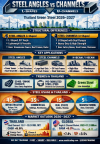
《角钢 vs 槽钢 —— 泰国结构钢之战,迈向绿色钢铁2026–2027》
SO OK TRADING | 2026年7月26日
在泰国建筑业正迈向可持续发展的时代,结构钢材已成为所有项目的核心。无论是工厂、仓库,还是国家级基础设施,本篇文章将深入解析 “角钢(Equal Angles)” 与 “槽钢(Channels)” —— 两大关键材料如何推动泰国结构走向绿色钢铁的未来。
我们将从工程特性、产业中的实际应用,一直到2026–2027年泰国及全球钢铁市场的趋势,探讨低碳钢材与预制钢结构(Prefabricated Steel)如何帮助降低成本并缩短施工周期。
“角钢”与“槽钢”不仅仅是材料,更是 坚固、可持续、现代化结构的象征,它们正在成为泰国建筑业在绿色转型时代的支柱。
SO OK TRADING — FAST • SHARP • RELIABLE
您在所有结构中的钢铁合作伙伴
26 7月 2026