《2026–2030年铅市场展望:再生铅——清洁能源与AI基础设施的新核心》 SO OK TRADING 撰文|2026年4月19日
最后更新: 19 4月 2026
3186 浏览量
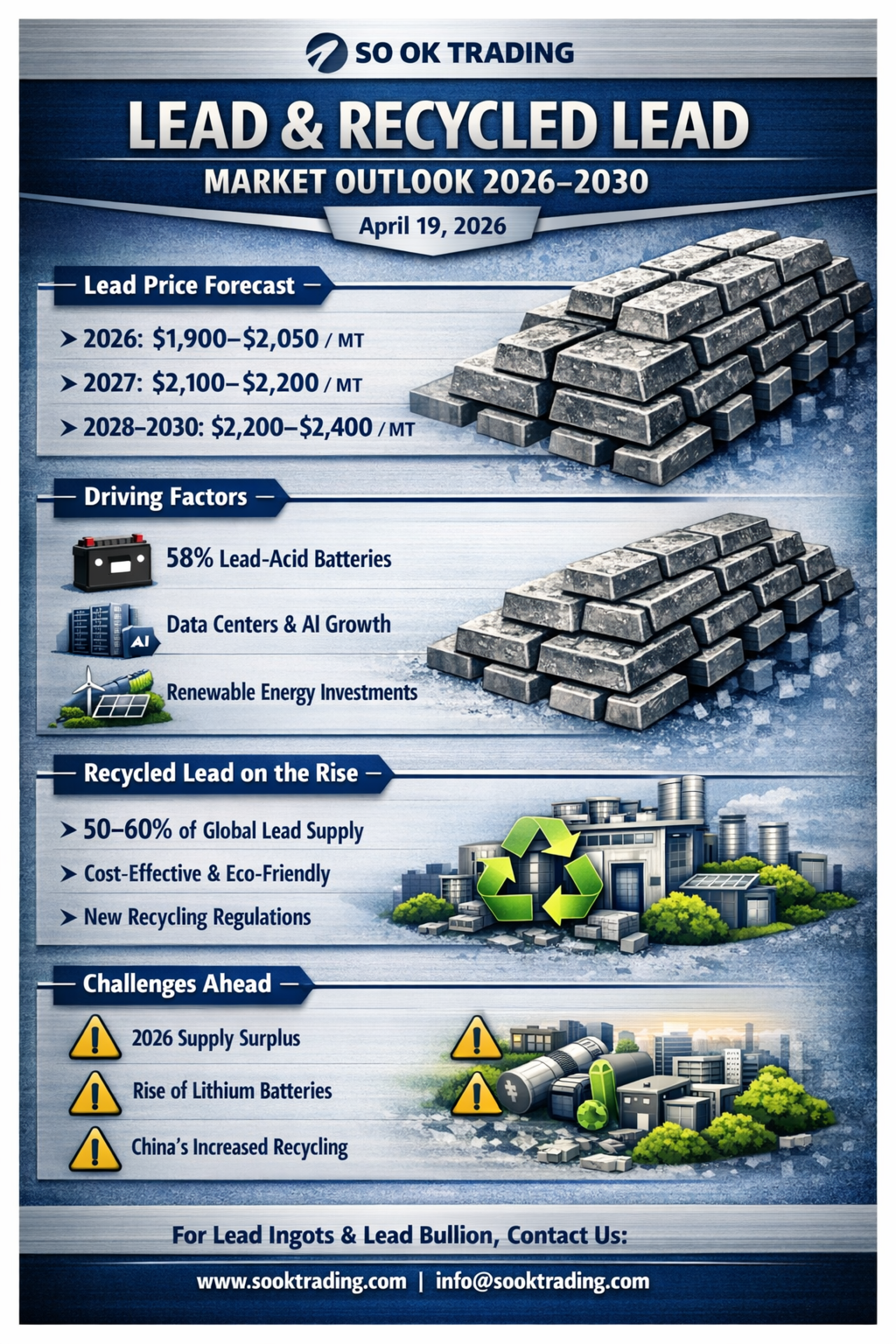
铅及再生铅价格趋势(2026–2030年)
SO OK TRADING | 2026年4月19日
1. 全球市场概况
2026年4月,铅价处于复苏阶段,并呈现稳步走强的趋势。随着电池产业和清洁能源领域需求的增加,市场前景积极。尽管再生铅供应带来一定波动,但整体走势依然向好。
2. 全球市场价格预测
2026年:预计价格在 1,900–2,050 美元/吨,受库存积压和再生产量增加的压力。
2027年:预计价格升至 2,100–2,200 美元/吨,受全球经济复苏和制造业需求增长推动。
2028–2030年:预计突破 2,200–2,400 美元/吨,主要受清洁能源基础设施和人工智能数据中心投资拉动。
3. 影响价格的因素
支撑价格的因素
铅酸电池占据市场约58%,主要用于汽车和备用电源系统。
全球数据中心与人工智能领域对UPS系统的需求持续增加。
铅在太阳能、风电等可再生能源项目中的应用不断扩大。
压制价格的因素
2026年预计铅供应过剩约 102,000 吨。
锂电池的快速发展可能在长期内减少铅的使用比例。
中国再生产能扩张,短期内可能导致价格波动。
4. 再生铅:产业新支柱
目前全球 50–60% 以上的铅 来自再生利用,预计未来将持续增长。
优势:成本更低、能耗更少、更环保。
主要用途:汽车电池、储能系统、辐射防护产业。
环保政策:中国与欧洲强制回收旧电池的法规,推动再生铅市场稳步发展。
5. 再生电池的规格与标准
回收比例:欧盟规定新电池必须含有 85% 以上的再生铅。
铅等级:Soft Lead(99.97%+)用于极板;Hard Lead(掺杂锑/钙)用于电池栅格。
国际标准:JIS D 5301、IEC 60896、EN 50342,确保安全与性能。
6. 商业优势
再生工厂可申请 碳信用(Carbon Credit),证明减排并提升产品在国际市场的附加值。
再生铅正从“可选原料”转变为“核心原料”,成为全球产业可持续发展的必需品。
7. 总结
2026–2030年铅价将保持稳步上升趋势,再生铅将成为产业核心。无论在清洁能源、汽车还是全球基础设施领域,其重要性不断提升。对于企业而言,这是值得关注的投资机会。
如您有 铅锭(LEAD INGOT) 或 铅块(LEAD BULLION) 的需求,欢迎通过 www.sooktrading.com → Give Inquiry 或发送邮件至 sooktrading@outlook.com 与我们联系。我们提供高品质铅,稳定供应。
SO OK TRADING:您的商业合作伙伴 SO OK TRADING:FAST • SHARP • RELIABLE 访问我们官网:www.sooktrading.com Facebook:SO OK TRADING
SO OK TRADING | 2026年4月19日
1. 全球市场概况
2026年4月,铅价处于复苏阶段,并呈现稳步走强的趋势。随着电池产业和清洁能源领域需求的增加,市场前景积极。尽管再生铅供应带来一定波动,但整体走势依然向好。
2. 全球市场价格预测
2026年:预计价格在 1,900–2,050 美元/吨,受库存积压和再生产量增加的压力。
2027年:预计价格升至 2,100–2,200 美元/吨,受全球经济复苏和制造业需求增长推动。
2028–2030年:预计突破 2,200–2,400 美元/吨,主要受清洁能源基础设施和人工智能数据中心投资拉动。
3. 影响价格的因素
支撑价格的因素
铅酸电池占据市场约58%,主要用于汽车和备用电源系统。
全球数据中心与人工智能领域对UPS系统的需求持续增加。
铅在太阳能、风电等可再生能源项目中的应用不断扩大。
压制价格的因素
2026年预计铅供应过剩约 102,000 吨。
锂电池的快速发展可能在长期内减少铅的使用比例。
中国再生产能扩张,短期内可能导致价格波动。
4. 再生铅:产业新支柱
目前全球 50–60% 以上的铅 来自再生利用,预计未来将持续增长。
优势:成本更低、能耗更少、更环保。
主要用途:汽车电池、储能系统、辐射防护产业。
环保政策:中国与欧洲强制回收旧电池的法规,推动再生铅市场稳步发展。
5. 再生电池的规格与标准
回收比例:欧盟规定新电池必须含有 85% 以上的再生铅。
铅等级:Soft Lead(99.97%+)用于极板;Hard Lead(掺杂锑/钙)用于电池栅格。
国际标准:JIS D 5301、IEC 60896、EN 50342,确保安全与性能。
6. 商业优势
再生工厂可申请 碳信用(Carbon Credit),证明减排并提升产品在国际市场的附加值。
再生铅正从“可选原料”转变为“核心原料”,成为全球产业可持续发展的必需品。
7. 总结
2026–2030年铅价将保持稳步上升趋势,再生铅将成为产业核心。无论在清洁能源、汽车还是全球基础设施领域,其重要性不断提升。对于企业而言,这是值得关注的投资机会。
如您有 铅锭(LEAD INGOT) 或 铅块(LEAD BULLION) 的需求,欢迎通过 www.sooktrading.com → Give Inquiry 或发送邮件至 sooktrading@outlook.com 与我们联系。我们提供高品质铅,稳定供应。
SO OK TRADING:您的商业合作伙伴 SO OK TRADING:FAST • SHARP • RELIABLE 访问我们官网:www.sooktrading.com Facebook:SO OK TRADING


相关文章
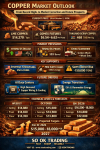
全球铜价走势分析|2026年10月2日:SO OK TRADING
2026年是全球金属市场的转折之年,尤其是“铜”,已成为新时代经济的核心。受 AI数据中心 的快速扩张和 能源转型(清洁能源) 的推动,铜价一度飙升至历史新高。然而在10月初,由于美元走强、原油价格上涨以及中国经济放缓,市场进入了短期调整阶段。
尽管短期存在压力,但结构性因素依然强劲 —— 美国与中国的战略性囤积,以及科技与清洁能源领域对铜的持续需求,使得铜仍然是“战略金属”,映射出全球经济中的风险与机遇。
SO OK TRADING 提供全面深入的分析,涵盖 当前形势、市场前景与技术评估,帮助您清晰把握全球铜市场的全貌 —— 从历史高点到调整期,再到未来依然“火热”的趋势。
2 10月 2026
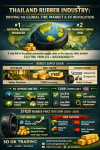
「泰国橡胶:全球轮胎产业的核心与电动车时代的新机遇」
16 8月 2026

铝:全球汽车产业的未来材料
SO OK TRADING | 2026年8月14日
在全球迈向清洁能源与电动汽车(EV)的时代,铝 已经成为真正改变汽车产业格局的 战略材料(Strategic Material)。
凭借其 轻盈、坚固、耐腐蚀、可100%回收 的特性,铝不仅仅是替代品,而是新时代汽车设计的核心,既满足了 能源效率,又符合 环境可持续性 的要求。
全球汽车铝市场正在快速增长:从 2025年的319亿美元,预计到 2034年将超过638亿美元,年均增长率约为 6%。
全球主要生产商如 Novelis、Constellium、Hydro、Arconic、Chalco 和 Alcoa,正加速开发 低碳铝(Low‑Carbon Aluminium) 与 Gigacasting 技术,以满足不断攀升的电动车市场需求。
在泰国,虽然尚未建立铝冶炼的上游产业,但在零部件加工与制造方面具有巨大潜力,尤其是在 EEC(东部经济走廊) 与领先企业 Thai Summit Group 的推动下,正加速迈向 混合动力与电动车供应链 的新时代。
作为全球金属与工业材料的合作伙伴,SO OK TRADING 致力于成为这一转型的一部分,以 FAST • SHARP • RELIABLE 的理念,持续为泰国企业提供知识、技术与新机遇,助力进入清洁能源时代的金属市场。
14 8月 2026
