2026年全球与泰国经济展望:人工智能、清洁能源与战略性大宗商品的崛起》 —— SO OK TRADING 撰文
最后更新: 17 2月 2026
2931 浏览量
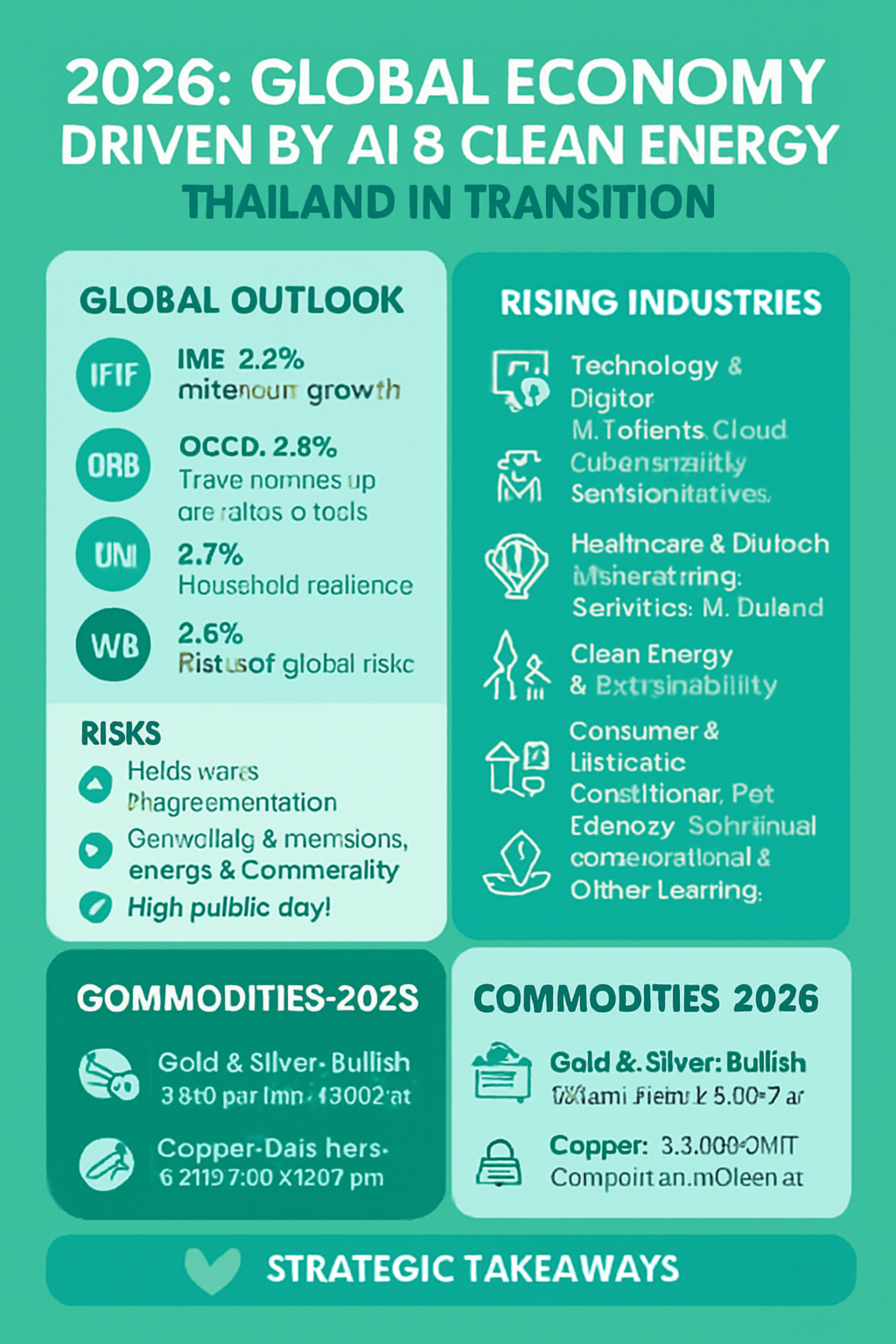
2026年:人工智能与清洁能源驱动的全球与泰国经济转型
《2026年:迈向AI驱动与绿色经济——处于转型期的泰国与新兴产业的机遇:清洁能源、大宗商品(金、银、铜、铝)以及转型时代的产业趋势》
全球经济概览
IMF: 上调至 3.3%,认为AI是新的增长引擎
OECD: 下调至 2.9%,受关税壁垒影响
联合国: 2.7%,谨慎预测,低于疫情前平均水平
世界银行: 2.6%,警告全球贸易风险
总结: 全球仍在增长,但势头减弱。亮点在于AI与清洁能源投资。
积极因素与机遇
AI革命: 从生成式AI到AI代理,企业运营模式发生重大转变
货币政策: 美联储预计降息两次(合计0.50%),刺激消费
私人消费: 家庭仍具韧性,避免严重衰退
全球面临的风险 ⚠️
贸易战: 关税壁垒与经济分裂
地缘政治紧张: 影响能源与大宗商品价格
公共债务高企: 限制财政刺激空间
泰国经济:低于潜力的增长
2026年泰国经济预计增长 1.5%–2.0%,低于东盟平均水平。旅游与消费是主要支撑,但家庭债务高企与研发投资不足(GDP的1.2%)是关键挑战。
新兴产业
科技与数字: AI代理、云计算、网络安全、半导体
医疗与生物: 远程医疗、基因组研究、AI诊断,泰国定位为医疗枢纽
清洁能源: 太阳能、风能、绿色氢能、ESG资产
消费与生活方式: 电商、宠物经济、数字零售、泰国特色的“信仰经济(สายมู)”与在线教育
衰退产业 ⛔
无法适应数字化转型的传统产业
内燃机汽车与二手车市场
面临预算限制与政治不确定性的建筑业
2026年大宗商品
黄金与白银: 强劲上涨。黄金或测试5,000美元/盎司,白银因太阳能需求急涨(去年35→85→今年1月达125美元/盎司)。
铜: “黑马”,受AI与数据中心需求推动,约13,000美元/吨。
铝: 相对稳定,但绿色铝竞争加剧,约3,000美元/吨。
原油: 下行,均价约58美元/桶。
战略总结
全球正全面迈向 AI驱动与绿色经济
泰国仍处于 转型期,亟需吸引FDI并扩大研发投资
泰国独特机遇:医疗枢纽、绿色制造、信仰经济、在线教育
大宗商品:贵金属是“避险资产”,铜则是成本压力
✨ 结论
2026年,全球在AI与清洁能源的推动下继续前进,而泰国必须迅速适应以避免落后。对新兴产业的明智投资与结构性优势的建立,是保持增长的关键。
SO OK TRADING:您值得信赖的国际贸易伙伴。
产品涵盖:黑色金属、有色金属、清洁能源、农产品。
www.sooktrading.com | ✉️ sooktrading@outlook.com
《2026年:迈向AI驱动与绿色经济——处于转型期的泰国与新兴产业的机遇:清洁能源、大宗商品(金、银、铜、铝)以及转型时代的产业趋势》
全球经济概览
IMF: 上调至 3.3%,认为AI是新的增长引擎
OECD: 下调至 2.9%,受关税壁垒影响
联合国: 2.7%,谨慎预测,低于疫情前平均水平
世界银行: 2.6%,警告全球贸易风险
总结: 全球仍在增长,但势头减弱。亮点在于AI与清洁能源投资。
积极因素与机遇
AI革命: 从生成式AI到AI代理,企业运营模式发生重大转变
货币政策: 美联储预计降息两次(合计0.50%),刺激消费
私人消费: 家庭仍具韧性,避免严重衰退
全球面临的风险 ⚠️
贸易战: 关税壁垒与经济分裂
地缘政治紧张: 影响能源与大宗商品价格
公共债务高企: 限制财政刺激空间
泰国经济:低于潜力的增长
2026年泰国经济预计增长 1.5%–2.0%,低于东盟平均水平。旅游与消费是主要支撑,但家庭债务高企与研发投资不足(GDP的1.2%)是关键挑战。
新兴产业
科技与数字: AI代理、云计算、网络安全、半导体
医疗与生物: 远程医疗、基因组研究、AI诊断,泰国定位为医疗枢纽
清洁能源: 太阳能、风能、绿色氢能、ESG资产
消费与生活方式: 电商、宠物经济、数字零售、泰国特色的“信仰经济(สายมู)”与在线教育
衰退产业 ⛔
无法适应数字化转型的传统产业
内燃机汽车与二手车市场
面临预算限制与政治不确定性的建筑业
2026年大宗商品
黄金与白银: 强劲上涨。黄金或测试5,000美元/盎司,白银因太阳能需求急涨(去年35→85→今年1月达125美元/盎司)。
铜: “黑马”,受AI与数据中心需求推动,约13,000美元/吨。
铝: 相对稳定,但绿色铝竞争加剧,约3,000美元/吨。
原油: 下行,均价约58美元/桶。
战略总结
全球正全面迈向 AI驱动与绿色经济
泰国仍处于 转型期,亟需吸引FDI并扩大研发投资
泰国独特机遇:医疗枢纽、绿色制造、信仰经济、在线教育
大宗商品:贵金属是“避险资产”,铜则是成本压力
✨ 结论
2026年,全球在AI与清洁能源的推动下继续前进,而泰国必须迅速适应以避免落后。对新兴产业的明智投资与结构性优势的建立,是保持增长的关键。
SO OK TRADING:您值得信赖的国际贸易伙伴。
产品涵盖:黑色金属、有色金属、清洁能源、农产品。
www.sooktrading.com | ✉️ sooktrading@outlook.com


相关文章
2026年钢铁行业展望:逐步复苏,价格有望上行
2026年将成为全球钢铁行业的重要转折点。在经历了2025年的低谷之后,市场正逐步进入“新均衡”,需求开始回升,价格也呈现稳步上涨的趋势。
全球钢铁需求预计增长 1.3%,达到 17.73亿吨。其中,印度是主要驱动力,受道路、铁路和能源等基础设施投资推动,预计增长 9%。美国和欧洲也在清洁能源和汽车产业投资的带动下稳步复苏,美国预计增长 1.8%,欧洲预计增长 3.2%。中国虽然房地产仍低迷,但需求下降幅度已收窄至 -1%,基础设施项目和钢铁出口在一定程度上支撑了整体市场。同时,东南亚和中东等新兴市场的基础设施和能源投资也推动了需求的分散性增长。
在价格方面,钢筋(Rebar)平均价格预计在 16,000–17,000泰铢/吨(约450–530美元/吨)。尽管中国的过剩供应和欧美的贸易壁垒仍带来压力,但市场正在形成更稳定的“新均衡”。
在泰国,钢铁需求预计将随着建筑业和汽车产业的复苏而小幅增长,2025年基数约为 1620万吨。然而,中国低价钢铁可能占据近 50% 的市场份额,给本地生产商带来巨大压力。因此,泰国钢铁企业需要采取策略,例如开发高附加值的专业产品、提升质量标准,以进入高端市场,并拓展东盟、中东和非洲等特定出口市场。
SO OK Trading:连接泰国钢铁与全球市场的合作伙伴
SO OK Trading 为泰国钢铁企业提供全面解决方案:
- 通过广泛的合作网络和铁路–海运–公路物流体系,将泰国生产商与中国及东亚买家直接连接。
- 提供市场分析和价格趋势预测,建议采用指数挂钩的定价模式,帮助降低价格波动风险。
- 协助制定稳定的合同,管理出口文件、标准和认证,确保交易安全可靠。
- 针对中国市场对专业钢材的需求,提供技术与商业方案,满足客户的特定要求。
SO OK Trading 不仅仅是出口商,更是值得信赖的商业伙伴,帮助泰国钢铁企业在全球市场中保持稳定和可持续的竞争力。
15 1月 2026
「战争结束,金属市场沸腾!霍尔木兹海峡重开,全球供应解锁 —— 铜价飙升,铝价重挫,锌市脆弱,铅市过剩」
: SO OK TRADING | 2026年6月16日
随着美国与伊朗达成协议,霍尔木兹海峡再次开放,全球金属市场(LME)瞬间升温!
地缘政治紧张局势的缓解,使基础金属供应链被“全面解锁”,价格走势因品种而异。
部分金属因库存回升而下跌,而铜则因人工智能与清洁能源需求而大幅上涨。
锌保持稳定但依然脆弱,铅则因电动车转型导致需求下降而出现过剩。
16 6月 2026
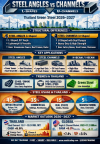
《角钢 vs 槽钢 —— 泰国结构钢之战,迈向绿色钢铁2026–2027》
SO OK TRADING | 2026年7月26日
在泰国建筑业正迈向可持续发展的时代,结构钢材已成为所有项目的核心。无论是工厂、仓库,还是国家级基础设施,本篇文章将深入解析 “角钢(Equal Angles)” 与 “槽钢(Channels)” —— 两大关键材料如何推动泰国结构走向绿色钢铁的未来。
我们将从工程特性、产业中的实际应用,一直到2026–2027年泰国及全球钢铁市场的趋势,探讨低碳钢材与预制钢结构(Prefabricated Steel)如何帮助降低成本并缩短施工周期。
“角钢”与“槽钢”不仅仅是材料,更是 坚固、可持续、现代化结构的象征,它们正在成为泰国建筑业在绿色转型时代的支柱。
SO OK TRADING — FAST • SHARP • RELIABLE
您在所有结构中的钢铁合作伙伴
26 7月 2026
