Aluminium Knowledge: The Strategic Metal of the Future — Transforming Industries into the EV & Clean Energy Era SO OK TRADING : 19 JUNE 2026
Aluminium Knowledge : SO OK TRADING : 19 JUNE 2026
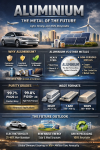
✨ Aluminium: The Lightweight Metal Transforming the Future
Imagine the industrial world stepping into a new era where everything must be lighter, more flexible, and environmentally friendly… The hero of this story is none other than Aluminium — a silver metal that is one-third the weight of steel, yet strong, durable, and infinitely recyclable.
Key Features Driving Global Use
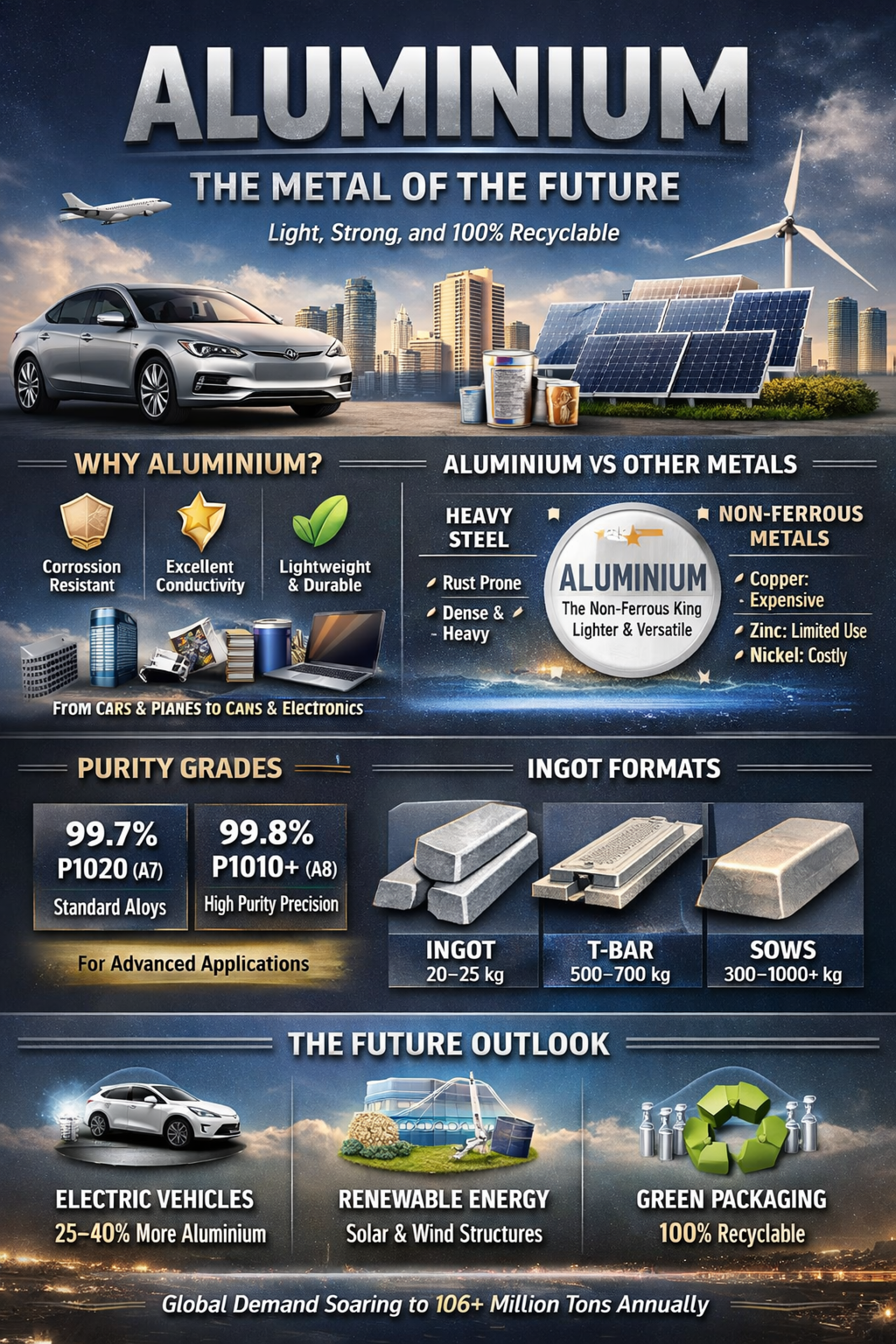
Aluminium resists rust thanks to its natural oxide film, conducts electricity and heat efficiently, is easy to shape, and safe for food and industrial applications. This is why it is chosen for everything from building structures, cars, and airplanes to beverage cans and computer components.
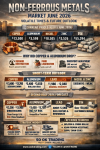
Aluminium vs Steel and Other Metals (Ferrous – Non-Ferrous)
Steel remains the “giant” of the world, with over 1.8 billion tons used annually. But it is heavy and requires anti-rust coating. Aluminium, though used in smaller volumes (70–106 million tons annually), is growing rapidly because it meets the modern demand for lightweight and clean energy solutions.
Copper conducts electricity better but is heavier and more expensive. Zinc is mostly limited to anti-rust coating, and Nickel is used mainly in stainless steel and EV batteries. Compared to them, Aluminium is the “King of Non-Ferrous Metals,” dominating the market with versatile applications.
Deep Dive into Aluminium Grades (Base Metal – Highest Purity)
99.7% P1020 (A7) → Global standard grade, most widely used. Commonly alloyed for doors, windows, and packaging.
99.8% P1010+ (A8) → Higher purity premium grade. Ideal for high-voltage cables, precision casting, and electronics.
Though the price difference is small, the choice depends on specifications. For maximum purity, 99.8% is the answer.
Physical Forms: Ingot, T-Bar, Sows
Ingot (20–25 kg) → Small, easy to handle, suitable for general foundries.
T-Bar (500–700 kg) → Large T-shaped bars, stable for transport, ideal for rolling and extrusion plants.
Sows (300–1000+ kg) → Largest blocks, minimal melting loss, best for large-scale remelting facilities.
The difference lies not in the metal itself, but in convenience and factory requirements.
Aluminium Outlook for the Future
Electric Vehicles (EVs) → Each EV uses 25–40% more aluminium than a conventional car.
Renewable Energy → Solar panel frames, wind turbines, and high-voltage transmission lines all rely on aluminium.
Packaging → Beverage and food containers, 100% recyclable, eco-friendly (Green Business / Circular Economy).
This is why aluminium consumption is soaring past 106 million tons annually — with no signs of slowing down.
Key Message
Aluminium is not just a lightweight metal — it is a “metal transforming the world,” writing a new chapter for clean energy and electric vehicle industries. Those who understand the differences in grades and forms can craft smarter purchasing strategies and gain an edge in a rapidly growing market.
Interested in Aluminium products? We supply Aluminium Scrap, Aluminium Remelt, ADC12, P1010, P1020, A7, A8, and more — high-quality products at competitive prices, ready to serve your needs. Thank you for your trust.
SO OK TRADING Your Business Partner — FAST • SHARP • RELIABLE www.sooktrading.com Facebook: SO OK TRADING