「Copper Supercycle: 平凡な金属から世界を動かす力へ — 過去10年で最も熱い銅、世界の投資家が注目する戦略的金属、そして世界を変える力」 SO OK TRADING : 2026年5月14日
最終更新: 14 5月 2026
2482 閲覧数

「Copper Supercycle: 銅が“未来の金属”へと進化」 SO OK TRADING : 2026年5月14日
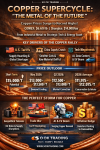
銅価格はここ数年で最も激しく高騰しています。米国COMEXでは 1ポンドあたり6.69ドル の史上最高値を更新し、上海市場では 1トンあたり14,000ドル を突破しました。この現象は一時的な価格上昇ではなく、銅が「従来の産業用金属」から「テクノロジーと新エネルギーの戦略的資産」へと完全に変貌したことを示しています。
銅市場を動かす要因
米国の関税政策 → 不透明な関税制度により米国市場での備蓄が加速し、他地域では深刻な供給不足を招いています。
中国の供給危機 → 原材料や硫黄・硫酸不足により製錬所の生産が4月に3%減少。今後も減産傾向が続く見込み。
未来のメガトレンド → AI、データセンター、EV、クリーンエネルギーの拡大により銅需要が爆発的に増加。特にハイパースケールデータセンターは従来型の3〜4倍の銅を消費。
価格動向と予測
短期: Citiは、地政学的リスクが長引けば 15,000ドル/トン に到達する可能性を指摘。
2026年5月末: 13,000〜13,500ドル/トン と予測。需要減退(Demand Destruction)の兆候あり。
第2四半期末: 12,500〜13,000ドル/トン に調整の可能性。投機的買いが減速。
年間平均(2026年): 11,975〜12,075ドル/トン。後半には 11,000〜11,500ドル/トン まで下落する可能性。
銅を押し上げる「パーフェクトストーム」
地政学的緊張 → ホルムズ海峡封鎖リスクがエネルギー価格を押し上げ、製錬コストを増大。
貿易戦争 → 関税回避のための備蓄が世界的な在庫枯渇を招く。
AI & エネルギー転換 → データセンターやEVでの需要が従来予測を大幅に上回る。
資金流入 → インフレヘッジとして投資家が商品市場へ資金を集中。
⚡ LME市場の最新状況
LME Cash-Settlement: $14,097.00 → 即時決済価格が上昇中
LME 3-month Closing Price: $14,153.00 → 短期需要の強さを反映
LME All-Time High: $14,527.50 → 史上最高値を試す展開
在庫量: 398,550トンまで減少 → 実需が供給を上回っている証拠
銅のスーパーサイクル: Dr. Copperから未来の金属へ
銅はもはや「経済の体温計」ではなく、世界の基盤を支える中心的存在へ。
データセンター: J.P. Morganは需要が 475,000トン に達すると予測。
EV: 電気自動車1台は内燃機関車の3〜4倍の銅を使用。
クリーンエネルギー: 太陽光や風力発電、スマートグリッドに膨大な銅が必要。
結論
銅は構造的要因と投機的資金の両方に支えられた スーパーサイクル に突入。戦略を早く適応できる市場参加者こそが優位に立てるでしょう。銅は単なる産業金属ではなく、「未来の戦略的資産」 なのです。
SO OK TRADING 新しい金属時代のビジネスパートナー FAST • SHARP • RELIABLE WWW.SOOKTRADING.COM FACEBOOK: SO OK TRADING
銅価格はここ数年で最も激しく高騰しています。米国COMEXでは 1ポンドあたり6.69ドル の史上最高値を更新し、上海市場では 1トンあたり14,000ドル を突破しました。この現象は一時的な価格上昇ではなく、銅が「従来の産業用金属」から「テクノロジーと新エネルギーの戦略的資産」へと完全に変貌したことを示しています。
銅市場を動かす要因
米国の関税政策 → 不透明な関税制度により米国市場での備蓄が加速し、他地域では深刻な供給不足を招いています。
中国の供給危機 → 原材料や硫黄・硫酸不足により製錬所の生産が4月に3%減少。今後も減産傾向が続く見込み。
未来のメガトレンド → AI、データセンター、EV、クリーンエネルギーの拡大により銅需要が爆発的に増加。特にハイパースケールデータセンターは従来型の3〜4倍の銅を消費。
価格動向と予測
短期: Citiは、地政学的リスクが長引けば 15,000ドル/トン に到達する可能性を指摘。
2026年5月末: 13,000〜13,500ドル/トン と予測。需要減退(Demand Destruction)の兆候あり。
第2四半期末: 12,500〜13,000ドル/トン に調整の可能性。投機的買いが減速。
年間平均(2026年): 11,975〜12,075ドル/トン。後半には 11,000〜11,500ドル/トン まで下落する可能性。
銅を押し上げる「パーフェクトストーム」
地政学的緊張 → ホルムズ海峡封鎖リスクがエネルギー価格を押し上げ、製錬コストを増大。
貿易戦争 → 関税回避のための備蓄が世界的な在庫枯渇を招く。
AI & エネルギー転換 → データセンターやEVでの需要が従来予測を大幅に上回る。
資金流入 → インフレヘッジとして投資家が商品市場へ資金を集中。
⚡ LME市場の最新状況
LME Cash-Settlement: $14,097.00 → 即時決済価格が上昇中
LME 3-month Closing Price: $14,153.00 → 短期需要の強さを反映
LME All-Time High: $14,527.50 → 史上最高値を試す展開
在庫量: 398,550トンまで減少 → 実需が供給を上回っている証拠
銅のスーパーサイクル: Dr. Copperから未来の金属へ
銅はもはや「経済の体温計」ではなく、世界の基盤を支える中心的存在へ。
データセンター: J.P. Morganは需要が 475,000トン に達すると予測。
EV: 電気自動車1台は内燃機関車の3〜4倍の銅を使用。
クリーンエネルギー: 太陽光や風力発電、スマートグリッドに膨大な銅が必要。
結論
銅は構造的要因と投機的資金の両方に支えられた スーパーサイクル に突入。戦略を早く適応できる市場参加者こそが優位に立てるでしょう。銅は単なる産業金属ではなく、「未来の戦略的資産」 なのです。
SO OK TRADING 新しい金属時代のビジネスパートナー FAST • SHARP • RELIABLE WWW.SOOKTRADING.COM FACEBOOK: SO OK TRADING


関連コンテンツ
世界銅価格動向分析|2026年10月2日:SO OK TRADING
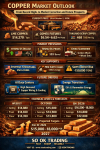
2026年は世界の非鉄金属市場にとって歴史的な転換点となりました。特に「銅」は新時代の経済の中心的存在となり、AIデータセンターの急拡大やクリーンエネルギー(エネルギー転換)の波に支えられ、史上最高値を更新しました。しかし10月初旬には、ドル高、原油価格の上昇、中国経済の減速といった要因により、一時的な調整局面に入りました。
短期的な圧力はあるものの、米国と中国による戦略的備蓄や、テクノロジー・再生可能エネルギー分野での需要増加が続いており、銅は依然として「戦略金属」として世界経済におけるリスクとチャンスを映し出しています。
SO OK TRADINGは、現状分析、市場見通し、テクニカル評価を網羅した深いインサイトを提供し、世界銅市場の全体像を明確に示します。史上最高値から調整局面、そして未来へと続く「熱い」展望をお届けします。
2 10月 2026
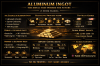
アルミニウムインゴット — 現代金属産業の中心を担う戦略的素材
軽量・耐食性・高い熱伝導性という優れた特性を持つアルミニウムインゴットは、
自動車、建設、電子機器など、あらゆる製造業を支える「戦略的金属」として
現代産業のイノベーションを根底から支えています。
本記事では、SO OK TRADING が以下のポイントをわかりやすく解説します:
9 8月 2026
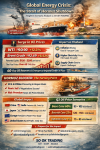
「世界エネルギー危機:ホルムズ海峡封鎖」
2026年3月、イランはホルムズ海峡を封鎖しました。世界の原油輸送量の30%以上が途絶し、原油価格は急騰、インフレは加速し、世界経済は大きく揺れ動いています。
7 3月 2026
