「ホルムズ海峡炎上!世界物流に激震、輸送費が急騰 ― 中東からのSUPPLY SHOCK、コスト高と激しい変動の時代へ」 SO OK TRADINGによる記事 | 2026年3月13日
最終更新: 13 3月 2026
3401 閲覧数
「ホルムズ海峡炎上 ― 世界物流に激震、輸送費が爆発的に高騰」
SUPPLY & DEMAND SHOCK 中東発 | 2026年3月13日
SO OK TRADINGによる記事
最新状況
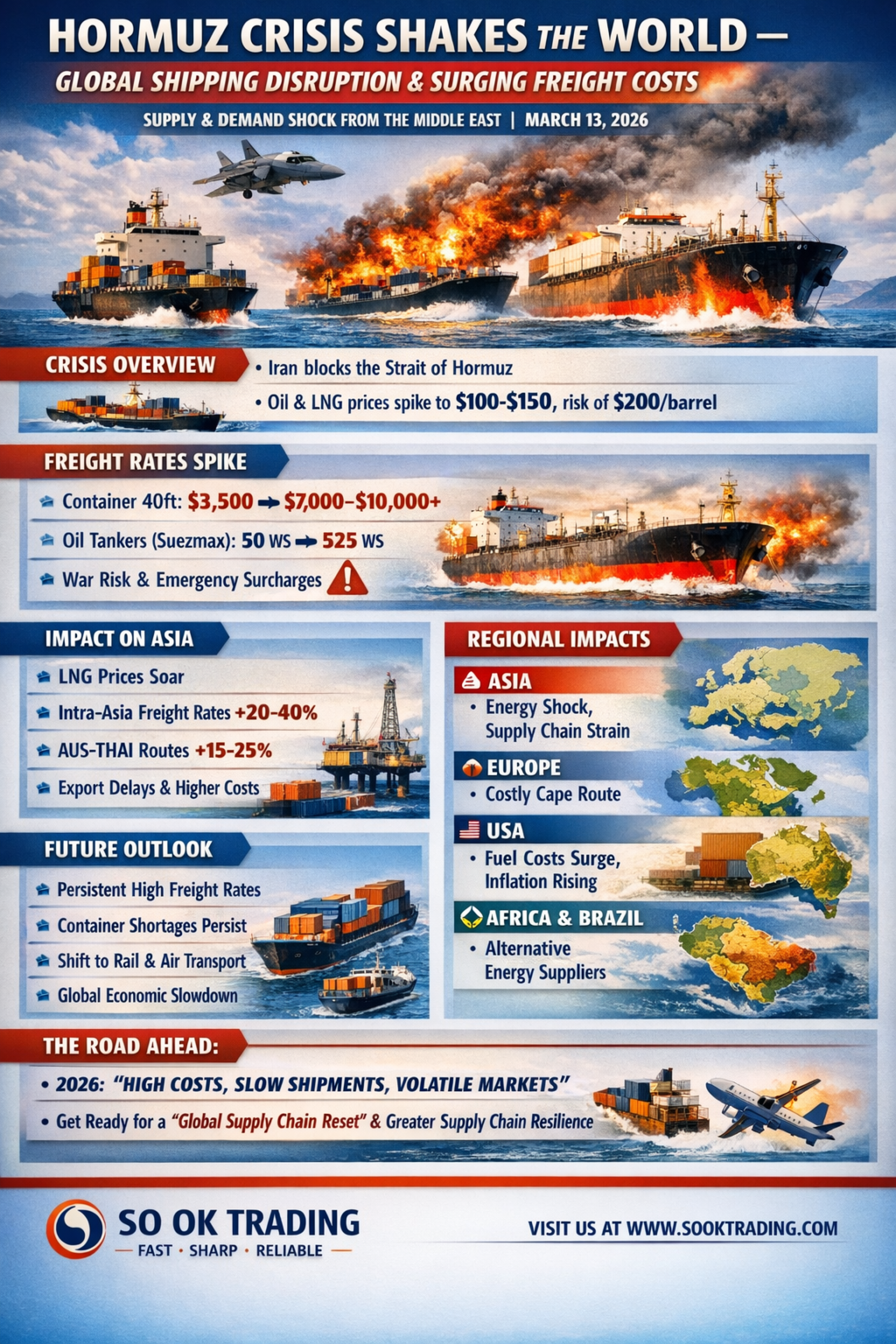
2026年3月、イランがホルムズ海峡を事実上封鎖し、複数の商船を攻撃。タイの「マユリ・ナリー号」を含む被害が発生し、世界の石油・LNG輸送の20〜30%が即座に停止。原油価格は100〜150ドル/バレルに急騰し、事態が長引けば200ドルに達する可能性もある。
運賃の急騰
コンテナ40フィート:3,500ドル ➜ 7,000〜10,000ドル以上
原油タンカー(Suezmax):50〜225 WS ➜ 525 WS
SCFI中東航路指数:わずか1週間で72%上昇
緊急附加費(Emergency Freight Increase)、戦争リスクサーチャージ、バンカーサーチャージが世界的に適用
⚡ タイとアジアへの影響
LNGスポット価格の高騰によりタイの発電コストが圧迫
タイ-中国/タイ-日本航路:運賃20〜40%上昇、コンテナ不足
オーストラリア-タイ航路:バンカーサーチャージと保険料上昇により15〜25%増
農産品輸出:遅延とコスト増で競争力低下
地域別影響比較
アジア:エネルギー価格急騰、日本・韓国はLNG依存度が高く直撃。タイも電力コストと運賃上昇に直面。
ヨーロッパ:喜望峰経由の迂回で物流・エネルギーコストが即座に上昇、インフレ圧力増大。
米国:国内産油があるものの世界市場の影響を免れず、燃料費と輸送コスト上昇。
アフリカ・ブラジル:新たなエネルギー供給源として注目され、輸出機会が拡大。
今後の展望(事態が長期化した場合)
高水準の運賃が「ニューノーマル」に
コンテナ不足が深刻化、アジア輸出に大打撃
Sea-to-Airや中欧鉄道など代替輸送手段が増加
バンカーサーチャージが毎月変動、燃料費の不安定化
世界経済は減速し、インフレと購買力低下が顕著に
結論
2026年は「高コスト・長納期・激しい変動」の年。ホルムズ海峡危機が長引けば、世界は「Global Supply Chain Reset」に突入し、物流とエネルギーコストは容易に元に戻らない。タイやアジアの企業は、リスク分散・新航路の活用・サプライチェーンの柔軟性強化によって競争力を維持する必要がある。
✨ この危機は一時的なものではなく、世界が新たな物流・エネルギーの時代へ移行している警鐘である。迅速に適応し、積極的な戦略を打ち出す企業こそが、生き残り成長できる。
SO OK TRADING — あなたのビジネスパートナー
FAST • SHARP • RELIABLE
WWW.SOOKTRADING.COM
SUPPLY & DEMAND SHOCK 中東発 | 2026年3月13日
SO OK TRADINGによる記事
最新状況
2026年3月、イランがホルムズ海峡を事実上封鎖し、複数の商船を攻撃。タイの「マユリ・ナリー号」を含む被害が発生し、世界の石油・LNG輸送の20〜30%が即座に停止。原油価格は100〜150ドル/バレルに急騰し、事態が長引けば200ドルに達する可能性もある。
運賃の急騰
コンテナ40フィート:3,500ドル ➜ 7,000〜10,000ドル以上
原油タンカー(Suezmax):50〜225 WS ➜ 525 WS
SCFI中東航路指数:わずか1週間で72%上昇
緊急附加費(Emergency Freight Increase)、戦争リスクサーチャージ、バンカーサーチャージが世界的に適用
⚡ タイとアジアへの影響
LNGスポット価格の高騰によりタイの発電コストが圧迫
タイ-中国/タイ-日本航路:運賃20〜40%上昇、コンテナ不足
オーストラリア-タイ航路:バンカーサーチャージと保険料上昇により15〜25%増
農産品輸出:遅延とコスト増で競争力低下
地域別影響比較
アジア:エネルギー価格急騰、日本・韓国はLNG依存度が高く直撃。タイも電力コストと運賃上昇に直面。
ヨーロッパ:喜望峰経由の迂回で物流・エネルギーコストが即座に上昇、インフレ圧力増大。
米国:国内産油があるものの世界市場の影響を免れず、燃料費と輸送コスト上昇。
アフリカ・ブラジル:新たなエネルギー供給源として注目され、輸出機会が拡大。
今後の展望(事態が長期化した場合)
高水準の運賃が「ニューノーマル」に
コンテナ不足が深刻化、アジア輸出に大打撃
Sea-to-Airや中欧鉄道など代替輸送手段が増加
バンカーサーチャージが毎月変動、燃料費の不安定化
世界経済は減速し、インフレと購買力低下が顕著に
結論
2026年は「高コスト・長納期・激しい変動」の年。ホルムズ海峡危機が長引けば、世界は「Global Supply Chain Reset」に突入し、物流とエネルギーコストは容易に元に戻らない。タイやアジアの企業は、リスク分散・新航路の活用・サプライチェーンの柔軟性強化によって競争力を維持する必要がある。
✨ この危機は一時的なものではなく、世界が新たな物流・エネルギーの時代へ移行している警鐘である。迅速に適応し、積極的な戦略を打ち出す企業こそが、生き残り成長できる。
SO OK TRADING — あなたのビジネスパートナー
FAST • SHARP • RELIABLE
WWW.SOOKTRADING.COM


関連コンテンツ
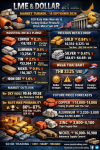
「LME急落 – ドル高が金属市場とタイバーツに圧力 | SO OK TRADING | 2026年9月14日」
ロンドン金属取引所(LME)は本日、大幅な下落を記録しました。直前に複数の金属価格が過去最高値を更新したばかりでしたが、米国のインフレ懸念と米連邦準備制度(FRB)の利上げ観測が強まり、ドル高を招いたことで世界の金属市場に利益確定売りが広がりました。
この状況は商品価格に影響を与えるだけでなく、タイバーツが1ドル=33.25バーツまで下落し、タイ国内の金属輸入コストや輸出企業の収益にも直接的な影響を及ぼしています。
本レポートでは、SO OK TRADINGが産業用金属と貴金属市場の動向、為替の見通し、そして2026年後半に注目すべき価格トレンドを詳しく分析し、企業の戦略立案やリスク管理に役立つ情報を提供します。
14 9月 2026
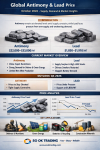
アンチモン価格は依然として高水準、鉛価格は軟調 —— 世界金属市場の動向 Q4/2026 : サプライ&デマンド・アウトルック 2026年10月
SO OK TRADING|2026年10月1日
序文(イントロダクション)
2026年10月、世界の非鉄金属市場において重要な二つの金属 —— アンチモン(Antimony) と 鉛(Lead) —— は、明確に異なる方向性を示しています。アンチモンは供給制約と防衛産業・クリーンエネルギー分野からの強い需要に支えられ、高水準を維持している一方、鉛は供給過剰とバッテリー需要の減速により下押し圧力を受けています。
本レポートでは SO OK TRADING が、価格構造、主要な推進要因、そして2026年第4四半期の市場見通しを詳細に分析し、事業者・投資家・金属購入者が変動の激しい市場環境下で戦略を的確に立てられるよう支援します。
1 10月 2026

世界経済2026 ― 世界が揺らぐ中、新たな機会が生まれる
SO OK TRADING | 2026年6月13日
2026年は世界経済にとって大きな試練の年となりました。成長の鈍化、インフレの再燃、そして地政学的緊張が続く中、各地域はそれぞれの脆弱性と課題を抱えています。
しかし、あらゆる危機の中には「新たな機会」が潜んでおり、それをいち早く見抜いた者が優位に立つことができます。
世界銀行やOECD、IMFによるGDP予測は軒並み下方修正され、エネルギー価格の高騰、米中貿易戦争、そして高金利政策が世界経済を圧迫しています。
SO OK TRADINGは、2026年の世界経済の全体像を深掘りし、新しい市場の潮流を探ります。
AIや先端技術、低価格必需品、そして投資家の避難先となる金や債券など、危機の中でも成長を続ける分野に注目します。
13 6月 2026
