「Zinc Fever 2026:锌价飙升至四年来最高点,震撼全球金属市场与泰国产业」: SO OK TRADING: 26 AUG 26
最后更新: 26 8月 2026
1480 浏览量
「Zinc Rally 2026:锌价飙升至四年来最高点,撼动全球产业链与泰国」
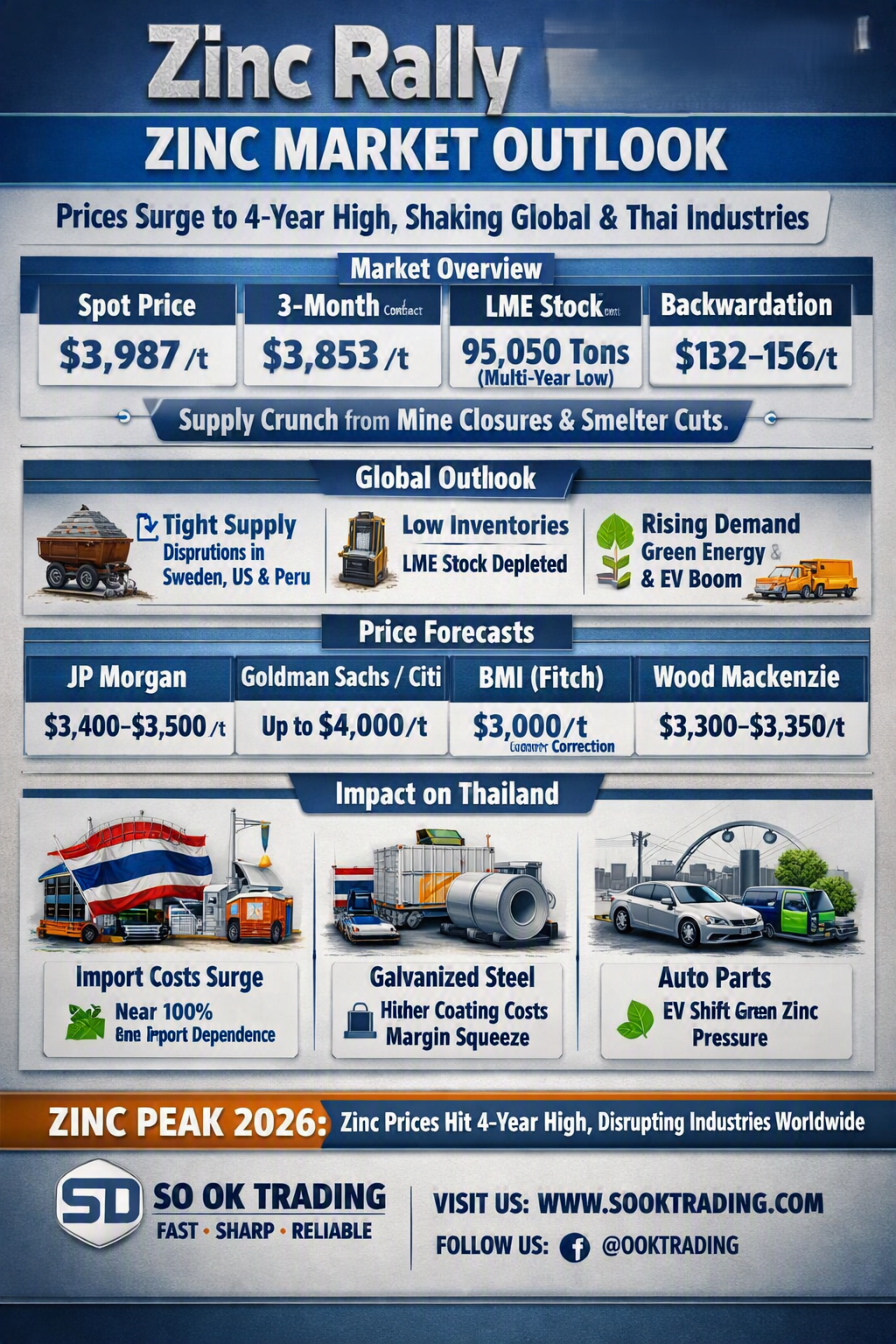
导言 2026年,全球锌市场迎来重大震荡。价格飙升至四年来的最高水平,维持在3,800–3,980美元/吨区间。主要矿山停产以及冶炼费史上首次为负,导致供应极度紧张。这一局面引发了全球市场的空头回补(Short Squeeze),并对几乎100%依赖进口的泰国下游产业造成结构性冲击。
价格与最新动态
即期结算价(Cash Settlement):3,987美元/吨
三个月期合约价(3-Month):3,853美元/吨
LME库存:95,050吨(数月来最低水平)
市场结构:严重的现货升水(Backwardation),即期与三个月期合约价差高达132–156美元/吨
供应紧张源于瑞典、美国和秘鲁的矿山停产,以及中国冶炼厂因冶炼费为负而减产。
全球市场展望
供应紧张:矿山停产与冶炼费为负导致减产
库存下降:LME库存持续减少,投机者回补空单
新需求:清洁能源、绿色基础设施、电动汽车(EV)
价格预测
JP Morgan:3,400–3,500美元/吨
Goldman Sachs / Citi / Macquarie:有望突破4,000美元/吨
BMI (Fitch):预计调整至3,000美元/吨
Wood Mackenzie & 世界银行:3,300–3,350美元/吨,并在2027年逐步下跌
泰国市场展望
进口价格飙升:泰国几乎100%依赖锌锭进口
成长产业:汽车、电子零部件、防锈镀层
环境压力:欧盟CBAM推动泰国制造商采用再生锌或绿色锌以降低碳足迹
对泰国产业的影响
镀锌钢材:涂层成本上升50–70%,利润空间被严重压缩,面临来自中国廉价钢材的竞争。泰国制造商开始转向生产高端镀层钢材,如ZAM(锌-铝-镁合金)。
汽车零部件:Tier 1–2供应商因长期合同承受成本压力,趋势是采用工程塑料和压铸铝来降低成本与重量。OEM强制使用绿色锌,增加额外成本。
总结 2026年LME锌价创下四年来新高,供应紧张推动全球与泰国产业链震荡,尤其是镀锌钢材与汽车零部件产业受到显著冲击。
SO OK TRADING 您在全球非铁金属市场的可信赖合作伙伴 FAST • SHARP • RELIABLE WWW.SOOKTRADING.COM Facebook: SO OK TRADING
导言 2026年,全球锌市场迎来重大震荡。价格飙升至四年来的最高水平,维持在3,800–3,980美元/吨区间。主要矿山停产以及冶炼费史上首次为负,导致供应极度紧张。这一局面引发了全球市场的空头回补(Short Squeeze),并对几乎100%依赖进口的泰国下游产业造成结构性冲击。
价格与最新动态
即期结算价(Cash Settlement):3,987美元/吨
三个月期合约价(3-Month):3,853美元/吨
LME库存:95,050吨(数月来最低水平)
市场结构:严重的现货升水(Backwardation),即期与三个月期合约价差高达132–156美元/吨
供应紧张源于瑞典、美国和秘鲁的矿山停产,以及中国冶炼厂因冶炼费为负而减产。
全球市场展望
供应紧张:矿山停产与冶炼费为负导致减产
库存下降:LME库存持续减少,投机者回补空单
新需求:清洁能源、绿色基础设施、电动汽车(EV)
价格预测
JP Morgan:3,400–3,500美元/吨
Goldman Sachs / Citi / Macquarie:有望突破4,000美元/吨
BMI (Fitch):预计调整至3,000美元/吨
Wood Mackenzie & 世界银行:3,300–3,350美元/吨,并在2027年逐步下跌
泰国市场展望
进口价格飙升:泰国几乎100%依赖锌锭进口
成长产业:汽车、电子零部件、防锈镀层
环境压力:欧盟CBAM推动泰国制造商采用再生锌或绿色锌以降低碳足迹
对泰国产业的影响
镀锌钢材:涂层成本上升50–70%,利润空间被严重压缩,面临来自中国廉价钢材的竞争。泰国制造商开始转向生产高端镀层钢材,如ZAM(锌-铝-镁合金)。
汽车零部件:Tier 1–2供应商因长期合同承受成本压力,趋势是采用工程塑料和压铸铝来降低成本与重量。OEM强制使用绿色锌,增加额外成本。
总结 2026年LME锌价创下四年来新高,供应紧张推动全球与泰国产业链震荡,尤其是镀锌钢材与汽车零部件产业受到显著冲击。
SO OK TRADING 您在全球非铁金属市场的可信赖合作伙伴 FAST • SHARP • RELIABLE WWW.SOOKTRADING.COM Facebook: SO OK TRADING

相关文章
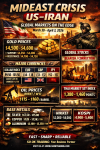
美伊战争进入第4周,全球市场受到强烈冲击:原油、黄金、汇率以及股市全面震荡。
SO OK TRADING 深度解析:
- 黄金飙升至4,600美元 —— 主要避险资产
- 全球股市进入调整模式
- 美元走强,泰铢走弱
- 若霍尔木兹海峡被封锁,Brent / WTI 原油恐突破160美元
- 泰国SET指数依然脆弱,但能源股或成为支撑力量
同时涵盖基础金属、主要货币、亚洲市场的预测,以及需关注的重要经济数据。
29 3月 2026
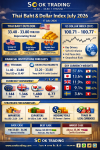
泰铢走势与美元指数(DXY) 2026年7月
SO OK TRADING | 2026年7月17日
在2026年7月,全球金融市场持续关注泰铢的走势。泰铢呈现出贬值趋势,并在双向波动(Two-way Risk)的区间内运行,维持在 1美元 = 33.40–33.80泰铢 的水平。
主要压力来自于美国经济超出预期的强劲表现、国际金价下跌,以及中东地区持续的地缘政治紧张局势。
在本文中,SO OK TRADING 汇集了主要金融机构的观点,并深入分析了美元指数(DXY)以及全球主要货币的走势,帮助泰国进口商与出口商制定稳健的风险管理策略。
✨ 一篇文章,全面掌握 —— 了解全球经济格局,以及应对2026年下半年汇率波动的策略。
SO OK TRADING
您的商业合作伙伴
FAST • SHARP • RELIABLE
17 7月 2026