「铝 P1020:未来之金属,在危机与转型中驱动新世界」 SO OK TRADING:2026年6月5日
最后更新: 5 6月 2026
2093 浏览量

铝锭 P1020:全球供应危机下,泰国在电动车与清洁能源时代的新机遇
如果说“现代产业的心脏”,铝锭 P1020(纯度99.7%)无疑是最明确的答案。它是连接电动车到清洁能源结构的基础原料。然而在2026年6月,全球市场却遭遇了四年来最大的一次供应危机,而几乎100%依赖进口的泰国正处在关键转折点。
铝锭 P1020(纯度99.7%)正逐渐成为“未来金属”,各行各业都需要它:电动车(EV)、智能电网、高端建筑、环保包装。然而在2026年,全球却面临四年来最大的供应紧缩,泰国也迎来了挑战与机遇并存的新局面。
全球市场概况:动摇产业的供应危机
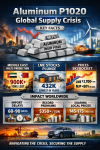
中东停产:阿联酋 EGA 与巴林 Alba 的大型冶炼厂因天然气短缺而部分停产,产能减少逾90万吨。
LME库存降至最低:仅剩约43.2万吨,俄罗斯供应仍受制裁。
价格创四年新高:LME现货价飙升至每吨3,700–3,850美元,亚洲 MJP Premium 在一个季度内上涨超过80%。
泰国现状:“成本飙升,货源紧缺”
进口配额被削减:泰国贸易商的合同交付量被减少,铸造与轧制工厂的交货周期由30–45天延长至60–90天。
中小企业承受11年来最高溢价:溢价从每吨86美元涨至350美元以上,仅用半年时间。
国内零售价格:已升至145–165泰铢/公斤,小批量采购可能高达175泰铢/公斤。
⚡ 下游产业:需求依然持续增长
尽管供应紧张,P1020的需求仍稳步增长,尤其在以下领域:
电动车(EV):用于电池、Mega-Casting、大型铸件及电机,预计至2031年年均增长超过5%。
电力产业:智能电网与高压电缆需要 EC级线材。
高端建筑:低碳铝材成为应对 CBAM 的关键。
环保包装:铝罐与铝箔替代一次性塑料。
泰国采购策略
每日监控 LME+溢价的价格公式
在可降低规格的应用中使用二次铝锭(再生料)
考虑来自印尼与澳大利亚的清洁能源供应源
提前规划库存,降低交货周期延长的风险
今日铝市场
西方国家争夺低碳 P1020
亚洲,尤其是泰国,成为巨大消费中心
利用再生铝与开拓新供应源,是泰国企业在危机中生存并成长的关键
有意采购 P1020 铝锭:请联系 SO OK TRADING,感谢您的支持。
SO OK TRADING
您的商业伙伴
FAST SHARP RELIABLE
访问我们 : WWW.SOOKTRADING.COM FACEBOOK : SO OK TRADING
如果说“现代产业的心脏”,铝锭 P1020(纯度99.7%)无疑是最明确的答案。它是连接电动车到清洁能源结构的基础原料。然而在2026年6月,全球市场却遭遇了四年来最大的一次供应危机,而几乎100%依赖进口的泰国正处在关键转折点。
铝锭 P1020(纯度99.7%)正逐渐成为“未来金属”,各行各业都需要它:电动车(EV)、智能电网、高端建筑、环保包装。然而在2026年,全球却面临四年来最大的供应紧缩,泰国也迎来了挑战与机遇并存的新局面。
全球市场概况:动摇产业的供应危机
中东停产:阿联酋 EGA 与巴林 Alba 的大型冶炼厂因天然气短缺而部分停产,产能减少逾90万吨。
LME库存降至最低:仅剩约43.2万吨,俄罗斯供应仍受制裁。
价格创四年新高:LME现货价飙升至每吨3,700–3,850美元,亚洲 MJP Premium 在一个季度内上涨超过80%。
泰国现状:“成本飙升,货源紧缺”
进口配额被削减:泰国贸易商的合同交付量被减少,铸造与轧制工厂的交货周期由30–45天延长至60–90天。
中小企业承受11年来最高溢价:溢价从每吨86美元涨至350美元以上,仅用半年时间。
国内零售价格:已升至145–165泰铢/公斤,小批量采购可能高达175泰铢/公斤。
⚡ 下游产业:需求依然持续增长
尽管供应紧张,P1020的需求仍稳步增长,尤其在以下领域:
电动车(EV):用于电池、Mega-Casting、大型铸件及电机,预计至2031年年均增长超过5%。
电力产业:智能电网与高压电缆需要 EC级线材。
高端建筑:低碳铝材成为应对 CBAM 的关键。
环保包装:铝罐与铝箔替代一次性塑料。
泰国采购策略
每日监控 LME+溢价的价格公式
在可降低规格的应用中使用二次铝锭(再生料)
考虑来自印尼与澳大利亚的清洁能源供应源
提前规划库存,降低交货周期延长的风险
今日铝市场
西方国家争夺低碳 P1020
亚洲,尤其是泰国,成为巨大消费中心
利用再生铝与开拓新供应源,是泰国企业在危机中生存并成长的关键
有意采购 P1020 铝锭:请联系 SO OK TRADING,感谢您的支持。
SO OK TRADING
您的商业伙伴
FAST SHARP RELIABLE
访问我们 : WWW.SOOKTRADING.COM FACEBOOK : SO OK TRADING


相关文章
✨ 世界转向:能源高企,经济波动,但商业仍有机遇 ✨
SO OK TRADING 的局势分析
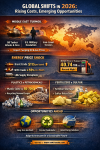
2026年3月31日,被记录为一个重要的日子——中东战争猛烈冲击全球经济。石油和天然气价格飙升至多年最高水平,塑料、化肥、食品、金属等各行业的生产成本瞬间上涨。全球股市剧烈波动,而黄金依然被视为“避险资产”,但风险也在加大。
然而,在这种不确定性中,仍然存在 新的商业机遇:
- 向 循环经济 转型
- 采用 替代能源
- 加快投资 回收利用与低碳技术
SO OK TRADING 认为,这是一个关键的转折点:
- 转向可持续发展的企业将占据优势
- 在危机中寻找机会的投资者,将在绿色能源和替代供应链中发现新的可能性
- 消费者将逐渐转向更加环保、成本更低的产品
31 3月 2026
「黄金剧烈波动!2026年3月末——从战争到投资机会」
25 3月 2026
铝包装与铝卷市场:增长、挑战与未来方向
SO OK TRADING | 2026年9月21日
在全球迈向可持续发展(Sustainability)与循环经济(Circular Economy)的时代,
铝已成为包装产业的未来材料。它可以 100% 回收再利用,且不损失品质,满足食品、饮料和医药市场不断增长的需求。
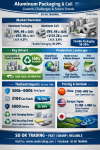
全球铝包装市场预计将从 2025年的664亿美元 增长至 2033年的921亿美元。
与此同时,铝卷市场将从 2026年的954亿美元 扩展至 2035年的1312亿美元,主要驱动力来自 可持续发展、回收利用以及环保型生产技术。
作为泰国铝产业的商业合作伙伴,SO OK TRADING 致力于提供全球市场的最新趋势与深度洞察,
帮助企业与投资者在快速成长的产业中发现新的机遇。
SO OK TRADING — FAST | SHARP | RELIABLE
21 9月 2026
