循环经济5.0:当AI与循环经济将废弃物转化为未来的战略资源,全新的商业游戏已经开始 SO OK TRADING|2026年5月16日
Last updated: 16 May 2026
849 Views

回收——从“废弃物”到“战略资本” 在全球加速迈向 净零排放(Net Zero) 与 循环经济(Circular Economy) 的时代,回收已不再只是“环保”的代名词,而是成为 全球商业的新规则,所有产业都必须迅速适应。
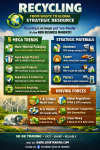
♻️ 正在改变全球商业的五大回收趋势
单一材料包装:简化分拣流程,提高回收效率
食品级塑料:rPET 与 rHDPE 广泛应用于食品与饮料包装
高端升级再造产品:PET制成运动服,玻璃与金属变身高端家具
法规与碳税:强制回收比例与碳足迹核算
先进回收技术:化学回收让复杂塑料重获纯净原料
⚡ 金属回收:从废料场到战略产业
铝:电动车的绿色金属,回收节能高达95%,AI分拣提升纯度
铜:清洁能源核心,城市矿山(电子废弃物)成为战略来源,减排85%
铅:回收率超过90%,广泛用于数据中心与太阳能储能的UPS电池
塑料:供应链法规要求,化学回收实现新料同等品质
推动回收经济的力量
全球市场规模已达 1.6万亿美元
国际法规如 PPWR 与 EPR 强制执行
AI与机器人 分拣精度超过95%
区块链 提供透明度,防止漂绿
城市矿山 成为电动车与数据中心的新资源
全球现状与矛盾
全球平均回收率仅 19%
欧洲:回收率超过50%,法规严格
亚太地区:市场份额41%,中国与韩国引领电动车电池回收
北美:大力投资聚合物中心与先进技术
结论 回收不只是“废弃物再利用”,而是决定未来十年全球商业与经济的 战略资本。
SO OK TRADING FAST • SHARP • RELIABLE www.sooktrading.com Facebook: SO OK TRADING
♻️ 正在改变全球商业的五大回收趋势
单一材料包装:简化分拣流程,提高回收效率
食品级塑料:rPET 与 rHDPE 广泛应用于食品与饮料包装
高端升级再造产品:PET制成运动服,玻璃与金属变身高端家具
法规与碳税:强制回收比例与碳足迹核算
先进回收技术:化学回收让复杂塑料重获纯净原料
⚡ 金属回收:从废料场到战略产业
铝:电动车的绿色金属,回收节能高达95%,AI分拣提升纯度
铜:清洁能源核心,城市矿山(电子废弃物)成为战略来源,减排85%
铅:回收率超过90%,广泛用于数据中心与太阳能储能的UPS电池
塑料:供应链法规要求,化学回收实现新料同等品质
推动回收经济的力量
全球市场规模已达 1.6万亿美元
国际法规如 PPWR 与 EPR 强制执行
AI与机器人 分拣精度超过95%
区块链 提供透明度,防止漂绿
城市矿山 成为电动车与数据中心的新资源
全球现状与矛盾
全球平均回收率仅 19%
欧洲:回收率超过50%,法规严格
亚太地区:市场份额41%,中国与韩国引领电动车电池回收
北美:大力投资聚合物中心与先进技术
结论 回收不只是“废弃物再利用”,而是决定未来十年全球商业与经济的 战略资本。
SO OK TRADING FAST • SHARP • RELIABLE www.sooktrading.com Facebook: SO OK TRADING


Related Content
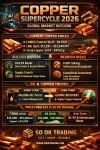
⚙️ 铜超级周期2026 – 未来金属
铜正在成为“AI时代的战略金属”。
价格依然火热,达到 13,500–14,000 美元/吨。
AI、EV 与清洁能源的需求推动全球铜需求持续飙升。
SO OK TRADING 深度解析全球铜市场趋势,
并为新时代企业提供 “逢低买入 (Buy on Dip)” 的战略建议。
28 May 2026
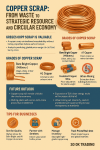
「铜废料不只是旧物——它是通往清洁能源与循环经济的钥匙」
在全球追求减碳与提升资源效率的时代,循环利用的铜正在迅速转变为各国争相拥有的战略性资产。
能够理解其价值并智慧管理的人,才是真正掌握未来生产的人。
9 Feb 2026

Aluminium is the most abundant metal in the earth’s crust. Approximately 75% of aluminium ever produced is still in use today as it can be recycled endlessly without compromising any of its unique properties or quality.
Aluminium’s lifecycle provides significant benefits through recycling, saving 95% of the energy it would take to make new aluminium metal.
More information on recycling may be found here.
Recycling aluminium has five steps:
Step 1: Collecting Scrap
There are two categories of aluminium scrap:
New Scrap
New Scrap is surplus material that arises during the manufacture and fabrication of aluminium products, up to the point where they are sold to the final consumer. For example, off cuts of aluminium sheet or extrusions are considered new scrap. Sometimes, this new scrap can be safely recycled by aluminium smelters as its composition is known.
Old Scrap
Old Scrap is material that has been used by the consumer and subsequently discarded. For example, used beverage cans, window frames, electrical cabling and car cylinder heads are all considered old scrap. Aluminium smelters are unable to safely accept this old scrap as its composition is usually unknown and it can be contaminated.
Scrap aluminium is also collected from the community – from households, scrap merchants, local and regional authorities, etc.
Step 2: Sorting Scrap
The scrap is then sorted – grouping all coated (painted or lacquered) aluminium together, and grouping all uncoated aluminium together.
Paper, plastic and other non-aluminium recycling needs to be removed.
Step 3: Crushing
The sorted aluminium is then crushed into bales – by compacting the aluminium scrap, it reduces freight, storage and handling costs
Step 4: Remelting
Uncoated scrap is loaded directly into a large furnace called a remelter, where it is heated at high temperatures and turned into molten form.
If the scrap aluminium is coated, it is processed through a gas fired rotary furnace to remove any coating and then transferred to the remelter.
Step 5: Casting
The molten aluminium is cast at a temperature of just over 700°C to form ingots
13 Nov 2025
