《泰国糖业:从厨房走向世界舞台》 : 文章 BY SO OK TRADING
最后更新: 23 2月 2026
3178 浏览量
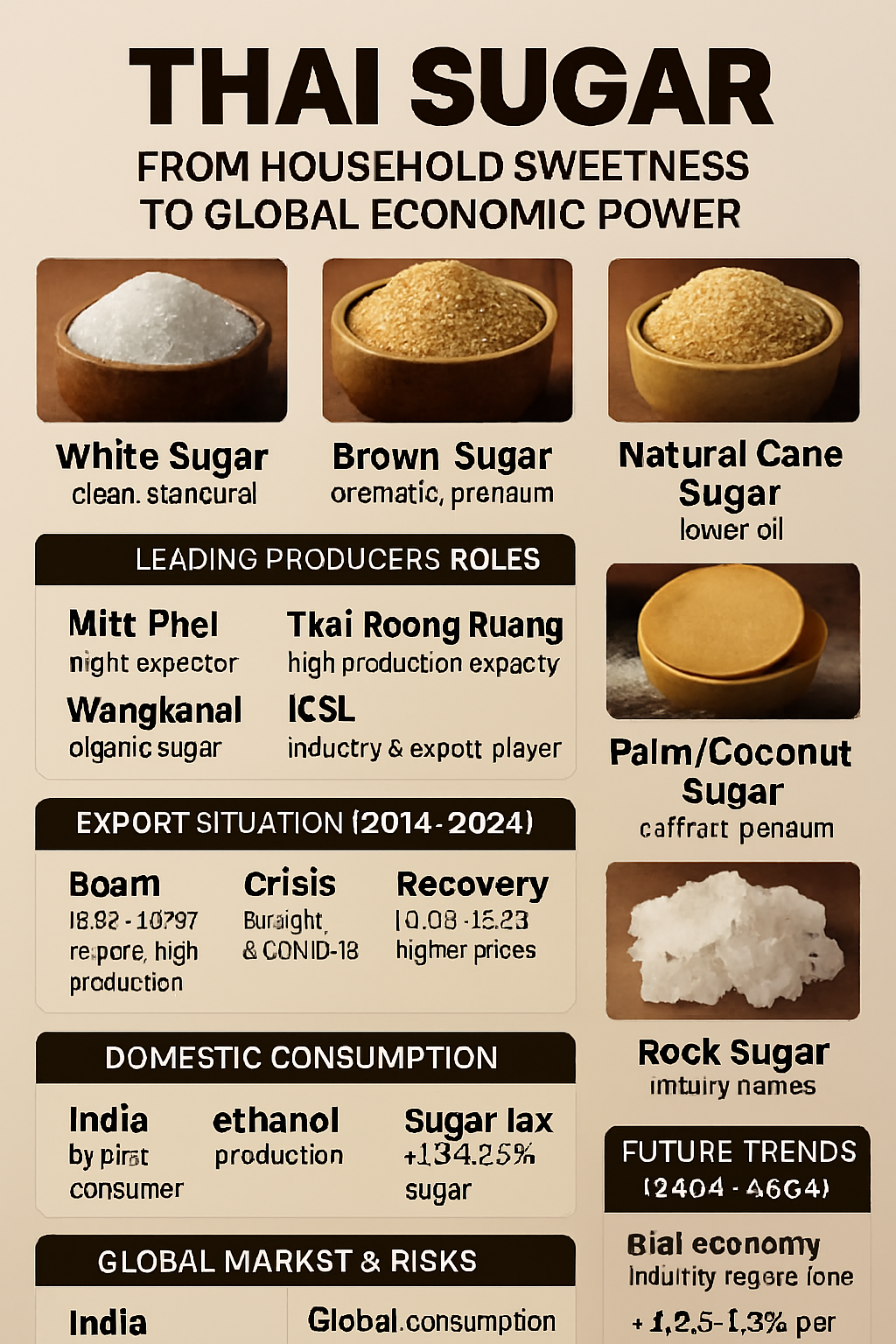
泰国糖:从厨房的甜味到全球经济的力量
糖的种类与卖点
精制白砂糖 – 广泛用于全球食品和饮料产业,卖点是洁净与国际标准
红糖 – 含有糖蜜,香气独特,适合烘焙和高端饮品
天然蔗糖 – GI值较低,适合快速增长的健康市场
椰糖/棕榈糖 – 文化与高端产品,常用于泰国甜点和传统料理
冰糖 – 面向草本饮料市场和喜好淡甜的消费者
主要生产商与角色
Mitr Phol Group – 主导国内外市场,享有全球认可
Thai Roong Ruang Group – 泰国产能最高,旗下品牌“Lin”在烘焙市场广受欢迎
Wangkanai Group – 以有机糖为特色,瞄准健康市场
KSL Group (Khon Kaen Sugar) – 在产业与出口方面发挥重要作用
出口情况(2014–2024)
繁荣期(2014–2018) – 2018年产量达1,400万吨,出口突破1,060万吨
危机期(2019–2021) – 干旱与新冠疫情导致产量降至十年最低
复苏期(2022–2024) – 虽然产量下降超过20%,但出口价格上涨支撑了收入
泰国出口约占总产量的81%,出口额达37.1亿美元。主要市场包括印尼、柬埔寨、韩国、中国和马来西亚。
国内消费行为
人均每日摄入量 20–23勺糖,是WHO标准的3–4倍
糖尿病患者超过 650万人,肥胖率增加 45%
“糖税”与健康趋势推动 低糖/零糖市场,规模超过1,000亿泰铢
全球市场与风险因素
印度 – 全球最大消费国(每年3,000万吨)
中国与日本 – 人均消费偏低,但低糖产品需求上升
巴西 – 将甘蔗用于乙醇生产,糖价随原油价格波动
风险因素 – 干旱、厄尔尼诺、糖税、环境政策
未来展望(2026–2036)
泰国 – 向生物经济转型,发展生物能源与生物材料
全球 – 消费年均增长1.2–1.3%,2036年将达2.027亿吨
挑战 – 干旱、PM2.5、糖税、环境政策
机遇 – 亚洲与非洲的增长市场,蔗糖的附加值开发
营销总结
泰国糖不仅是“厨房里的甜味”,更是连接经济、农业、健康与能源的 全球战略商品。通过向生物产业转型,泰国糖业不仅能保持全球前三大出口国的地位,还将在快速变化的全球市场中创造新的价值。
如需购买或出口高品质糖产品,
请联系 SO OK TRADING:访问 www.sooktrading.com 并点击 “Give Inquiry”,或发送邮件至 sooktrading@outlook.com。
糖的种类与卖点
精制白砂糖 – 广泛用于全球食品和饮料产业,卖点是洁净与国际标准
红糖 – 含有糖蜜,香气独特,适合烘焙和高端饮品
天然蔗糖 – GI值较低,适合快速增长的健康市场
椰糖/棕榈糖 – 文化与高端产品,常用于泰国甜点和传统料理
冰糖 – 面向草本饮料市场和喜好淡甜的消费者
主要生产商与角色
Mitr Phol Group – 主导国内外市场,享有全球认可
Thai Roong Ruang Group – 泰国产能最高,旗下品牌“Lin”在烘焙市场广受欢迎
Wangkanai Group – 以有机糖为特色,瞄准健康市场
KSL Group (Khon Kaen Sugar) – 在产业与出口方面发挥重要作用
出口情况(2014–2024)
繁荣期(2014–2018) – 2018年产量达1,400万吨,出口突破1,060万吨
危机期(2019–2021) – 干旱与新冠疫情导致产量降至十年最低
复苏期(2022–2024) – 虽然产量下降超过20%,但出口价格上涨支撑了收入
泰国出口约占总产量的81%,出口额达37.1亿美元。主要市场包括印尼、柬埔寨、韩国、中国和马来西亚。
国内消费行为
人均每日摄入量 20–23勺糖,是WHO标准的3–4倍
糖尿病患者超过 650万人,肥胖率增加 45%
“糖税”与健康趋势推动 低糖/零糖市场,规模超过1,000亿泰铢
全球市场与风险因素
印度 – 全球最大消费国(每年3,000万吨)
中国与日本 – 人均消费偏低,但低糖产品需求上升
巴西 – 将甘蔗用于乙醇生产,糖价随原油价格波动
风险因素 – 干旱、厄尔尼诺、糖税、环境政策
未来展望(2026–2036)
泰国 – 向生物经济转型,发展生物能源与生物材料
全球 – 消费年均增长1.2–1.3%,2036年将达2.027亿吨
挑战 – 干旱、PM2.5、糖税、环境政策
机遇 – 亚洲与非洲的增长市场,蔗糖的附加值开发
营销总结
泰国糖不仅是“厨房里的甜味”,更是连接经济、农业、健康与能源的 全球战略商品。通过向生物产业转型,泰国糖业不仅能保持全球前三大出口国的地位,还将在快速变化的全球市场中创造新的价值。
如需购买或出口高品质糖产品,
请联系 SO OK TRADING:访问 www.sooktrading.com 并点击 “Give Inquiry”,或发送邮件至 sooktrading@outlook.com。


相关文章
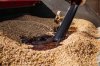
家畜饲料用糖蜜(Molasses / 糖蜜)
糖蜜是制糖过程中的副产品,常用于家畜饲料原料,特别适合反刍动物,如牛、水牛和山羊。它能够帮助增加能量、提高适口性,并在颗粒饲料中起到粘合剂的作用。
7 1月 2026
泰国农业发展方向:迈向高端与生物经济
SO OK TRADING|2026年8月11日
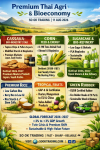
泰国农业正迈入新时代——从“数量生产”转向“质量价值创造”。通过发展高端农产品 (Premium Products),并以强调可持续性与全球环境标准的生物经济 (Bioeconomy) 为驱动力,泰国农业正在加速升级
11 8月 2026
