泰国农业出口2026:强劲崛起,走向全球 从榴莲到木薯:泰国的出口引擎
Last updated: 19 Feb 2026
5193 Views
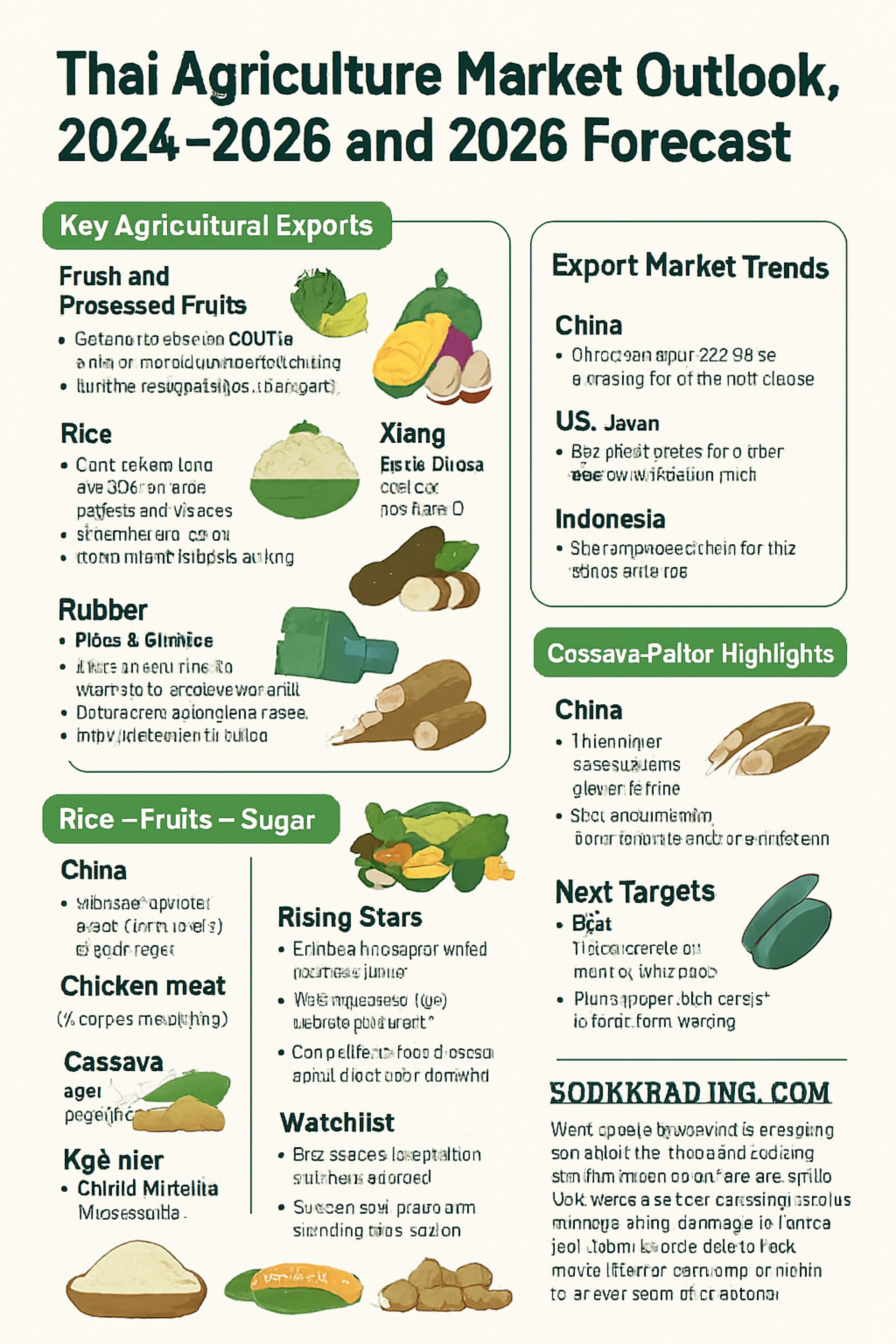
泰国农业市场概览 2024–2026 及 2026 年趋势展望
泰国农产品出口依然是推动经济的“发动机”。既有持续创造收入的基础产品,也有正在拓展全球新市场的明星产品。
主要出口农产品
鲜果及加工水果
出口额超过 65.1 亿美元
榴莲稳居出口冠军,中国市场占比超过 70%
其他重要水果:龙眼、山竹、芒果
大米
2024 年出口量 995 万吨,创 6 年新高
主要市场:印尼、非洲、伊拉克
2025 年目标 750 万吨,但面临印度竞争及泰铢升值压力
橡胶
出口额 49.9 亿美元
泰国仍为全球最大出口国
主要市场:
块状橡胶 → 中国
烟片胶 → 日本、美国
浓缩乳胶 → 马来西亚
配合胶 → 印度
鸡肉
出口额 43.1 亿美元
全球蛋白质需求推动增长
木薯及其制品
出口额 31.3 亿美元
主要市场:中国,用于饲料和能源
出口市场趋势
中国:占比最高(23.68%),尤其是榴莲和木薯
美国、日本:橡胶和鸡肉的重要市场
印尼:大米和糖的主要进口国
木薯颗粒亮点
中国
需求激增,用于替代玉米饲料和生产乙醇
2025 年提前签约采购 168 万吨,价值 53 亿泰铢
要求严格:清洁度高,淀粉含量需达 67%
中东
2025 年底首次出口 2 万吨 至沙特阿拉伯
主要客户:ARASCO,该地区最大饲料生产商
优势:非转基因(Non-GMO)、品质高、硬度强,适合长途运输
下一目标:阿联酋及清真食品产业
大米 – 水果 – 糖
大米:2024 年表现最佳,但 2025 年面临竞争与汇率压力
水果:榴莲、龙眼、山竹、芒果主导中国市场,预计 2025 年产量增加 15%,可能压低国内价格
糖:泰国仍居全球第二,甘蔗产量增加 20% 支撑收入,尽管出口价格可能下降
2026 年展望 – “强劲复苏”
农业 GDP:预计增长 2–3%,总值约 7200–7300 亿泰铢
明星产品
榴莲 – 中国市场需求持续旺盛
鸡肉 – 全球蛋白质需求高企
木薯 – 产量下降推高价格
棕榈油 – 能源与生物柴油需求支撑价格
需警惕的产品
大米 – 全球竞争加剧,泰铢升值影响竞争力
橡胶 – 全球经济放缓可能抑制需求
✨ 总结
泰国农产品正处于“上升期”,尤其是水果和木薯在新市场的支持下表现亮眼。大米和橡胶则需调整策略以应对全球竞争。中东市场的成功开拓是重要里程碑,有助于降低对中国的依赖,并增强农民的信心。
如果您有采购需求(大米、糖、水果、木薯干、木薯颗粒、玉米等),欢迎访问 WWW.SOOKTRADING.COM 或发送邮件至 sooktrading@outlook.com。
泰国农产品出口依然是推动经济的“发动机”。既有持续创造收入的基础产品,也有正在拓展全球新市场的明星产品。
主要出口农产品
鲜果及加工水果
出口额超过 65.1 亿美元
榴莲稳居出口冠军,中国市场占比超过 70%
其他重要水果:龙眼、山竹、芒果
大米
2024 年出口量 995 万吨,创 6 年新高
主要市场:印尼、非洲、伊拉克
2025 年目标 750 万吨,但面临印度竞争及泰铢升值压力
橡胶
出口额 49.9 亿美元
泰国仍为全球最大出口国
主要市场:
块状橡胶 → 中国
烟片胶 → 日本、美国
浓缩乳胶 → 马来西亚
配合胶 → 印度
鸡肉
出口额 43.1 亿美元
全球蛋白质需求推动增长
木薯及其制品
出口额 31.3 亿美元
主要市场:中国,用于饲料和能源
出口市场趋势
中国:占比最高(23.68%),尤其是榴莲和木薯
美国、日本:橡胶和鸡肉的重要市场
印尼:大米和糖的主要进口国
木薯颗粒亮点
中国
需求激增,用于替代玉米饲料和生产乙醇
2025 年提前签约采购 168 万吨,价值 53 亿泰铢
要求严格:清洁度高,淀粉含量需达 67%
中东
2025 年底首次出口 2 万吨 至沙特阿拉伯
主要客户:ARASCO,该地区最大饲料生产商
优势:非转基因(Non-GMO)、品质高、硬度强,适合长途运输
下一目标:阿联酋及清真食品产业
大米 – 水果 – 糖
大米:2024 年表现最佳,但 2025 年面临竞争与汇率压力
水果:榴莲、龙眼、山竹、芒果主导中国市场,预计 2025 年产量增加 15%,可能压低国内价格
糖:泰国仍居全球第二,甘蔗产量增加 20% 支撑收入,尽管出口价格可能下降
2026 年展望 – “强劲复苏”
农业 GDP:预计增长 2–3%,总值约 7200–7300 亿泰铢
明星产品
榴莲 – 中国市场需求持续旺盛
鸡肉 – 全球蛋白质需求高企
木薯 – 产量下降推高价格
棕榈油 – 能源与生物柴油需求支撑价格
需警惕的产品
大米 – 全球竞争加剧,泰铢升值影响竞争力
橡胶 – 全球经济放缓可能抑制需求
✨ 总结
泰国农产品正处于“上升期”,尤其是水果和木薯在新市场的支持下表现亮眼。大米和橡胶则需调整策略以应对全球竞争。中东市场的成功开拓是重要里程碑,有助于降低对中国的依赖,并增强农民的信心。
如果您有采购需求(大米、糖、水果、木薯干、木薯颗粒、玉米等),欢迎访问 WWW.SOOKTRADING.COM 或发送邮件至 sooktrading@outlook.com。


Related Content
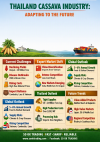
泰国木薯产业正迈入一个“关键转折点”,面临干旱、病害以及全球市场激烈竞争的挑战
27 Jul 2026