Global Aluminum Market Overview (January 2026) By SOOK TRADING
Last updated: 9 Jan 2026
3794 Views
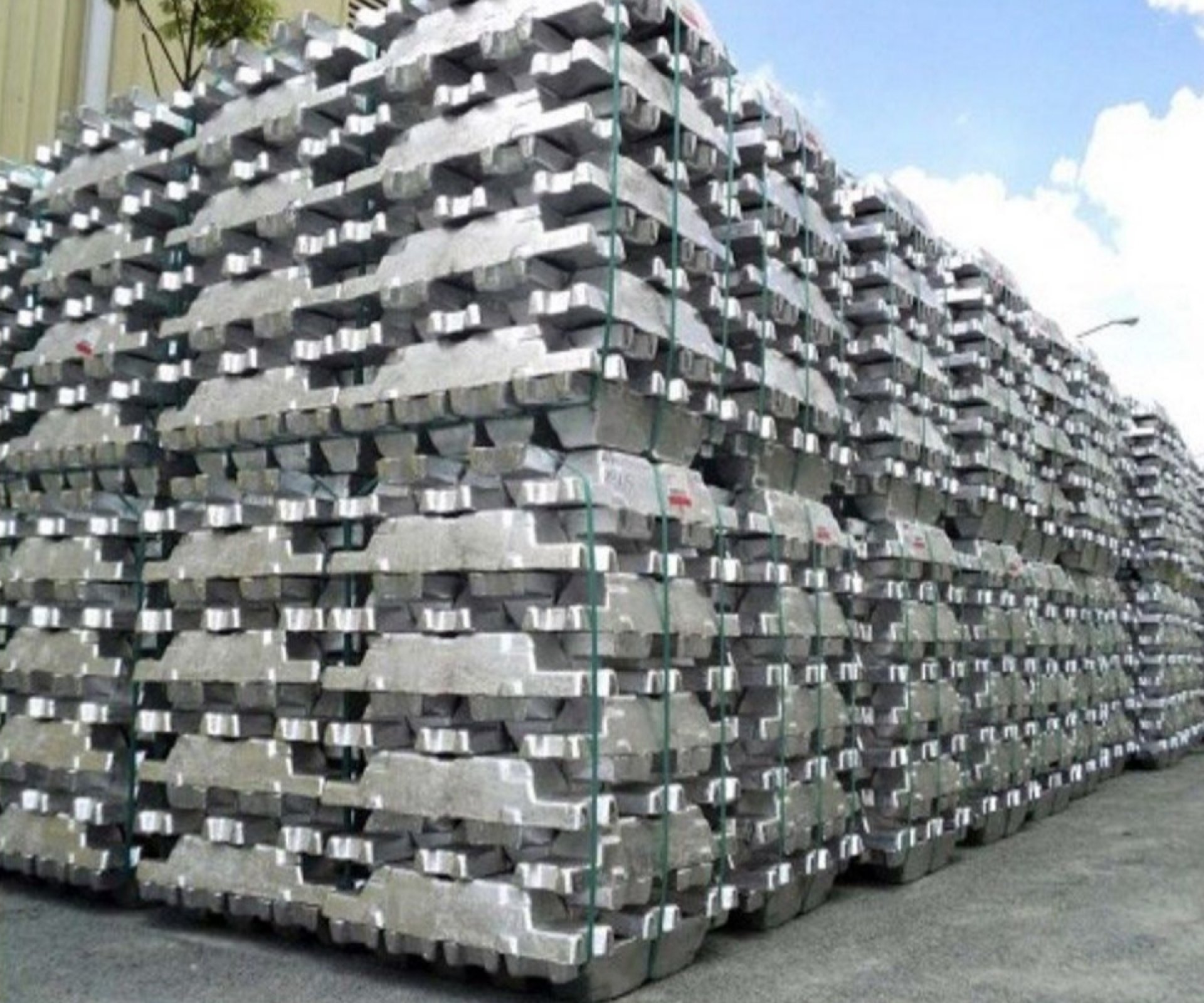
Aluminum Price Situation (January 2026) - Analysis By SO OK TRADING
In January 2026, global aluminum futures traded in the range of USD 3,000–3,200 per metric ton, showing high volatility driven by both supply and demand factors. China remains the largest producer and consumer, while Europe’s implementation of CBAM (Carbon Border Adjustment Mechanism) has pushed aluminum premiums higher.
Factors Affecting Aluminum Prices (January 2026)
LME (London Metal Exchange): Futures traded between USD 3,000–3,200/MT.
United Kingdom: Futures broke above USD 3,000/MT for the first time since 2025, reflecting supply shortage concerns.
China: Production capacity is near the ceiling of 45 million MT/year, limiting further expansion. Exports fell by 9.2% in November 2025 as domestic demand took priority → supply tightness supports firm prices, likely sustaining around USD 3,000/MT.
Indonesia: New smelter investments face challenges from high energy costs and regulatory hurdles → supply unlikely to increase in the near term.
Supply & Demand Dynamics
Limited Supply: China cannot expand production further; Indonesia’s investments remain stalled.
Strong Demand: Transportation, construction, renewable energy, and especially EVs, automobiles, and machinery continue to drive aluminum consumption.
Aluminum Premium (MJP – Midwest Japan)
MJP (Japan P1020A Aluminum Premium) Q1/2026: Expected to rebound from the previous quarter’s low.
Supporting factors: Post-fiscal year restocking, smelting capacity management, and CBAM developments in Europe.
Offers have risen significantly, shifting market power from buyers to sellers.
As of January 9, 2026: Q4/2025 MJP premium was around USD 110/MT, rising to USD 150/MT in Q1/2026.
This may signal the beginning of a new aluminum price cycle.
Market Dynamics & Technicals
Price Trend: From Q4/2025 levels of USD 2,700/MT, prices climbed to USD 3,000/MT by late December. On January 9, 2026, aluminum was trading at USD 3,080/MT.
Negotiation Shift: Market dynamics have shifted from buyer-driven to seller-driven.
Supply-Demand Balance: Strong demand and constrained supply continue to push prices upward.
LME Price Forecast (CMAL3)
January 2026: Expected range USD 3,000–3,300/MT (Base 3,000, Ceiling 3,300, Midpoint 3,100).
Recommended Purchase Range: USD 3,000–3,050/MT.
February 2026 Forecast: ~USD 3,150/MT.
March 2026 Forecast: ~USD 3,150/MT.
Global market developments may influence these projections further.
In January 2026, global aluminum futures traded in the range of USD 3,000–3,200 per metric ton, showing high volatility driven by both supply and demand factors. China remains the largest producer and consumer, while Europe’s implementation of CBAM (Carbon Border Adjustment Mechanism) has pushed aluminum premiums higher.
Factors Affecting Aluminum Prices (January 2026)
LME (London Metal Exchange): Futures traded between USD 3,000–3,200/MT.
United Kingdom: Futures broke above USD 3,000/MT for the first time since 2025, reflecting supply shortage concerns.
China: Production capacity is near the ceiling of 45 million MT/year, limiting further expansion. Exports fell by 9.2% in November 2025 as domestic demand took priority → supply tightness supports firm prices, likely sustaining around USD 3,000/MT.
Indonesia: New smelter investments face challenges from high energy costs and regulatory hurdles → supply unlikely to increase in the near term.
Supply & Demand Dynamics
Limited Supply: China cannot expand production further; Indonesia’s investments remain stalled.
Strong Demand: Transportation, construction, renewable energy, and especially EVs, automobiles, and machinery continue to drive aluminum consumption.
Aluminum Premium (MJP – Midwest Japan)
MJP (Japan P1020A Aluminum Premium) Q1/2026: Expected to rebound from the previous quarter’s low.
Supporting factors: Post-fiscal year restocking, smelting capacity management, and CBAM developments in Europe.
Offers have risen significantly, shifting market power from buyers to sellers.
As of January 9, 2026: Q4/2025 MJP premium was around USD 110/MT, rising to USD 150/MT in Q1/2026.
This may signal the beginning of a new aluminum price cycle.
Market Dynamics & Technicals
Price Trend: From Q4/2025 levels of USD 2,700/MT, prices climbed to USD 3,000/MT by late December. On January 9, 2026, aluminum was trading at USD 3,080/MT.
Negotiation Shift: Market dynamics have shifted from buyer-driven to seller-driven.
Supply-Demand Balance: Strong demand and constrained supply continue to push prices upward.
LME Price Forecast (CMAL3)
January 2026: Expected range USD 3,000–3,300/MT (Base 3,000, Ceiling 3,300, Midpoint 3,100).
Recommended Purchase Range: USD 3,000–3,050/MT.
February 2026 Forecast: ~USD 3,150/MT.
March 2026 Forecast: ~USD 3,150/MT.
Global market developments may influence these projections further.


Related Content

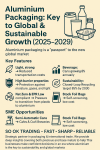
Aluminium Packaging: Key to Global & Sustainable Growth (2025–2029)
Aluminium packaging is the “passport” to the new global market:
- Lightweight & Strong → Lower transportation costs
- High Barrier Properties → Protects against moisture, gases, and light
- Nearly 100% Recyclable → Infinite reuse without loss of quality
- Compliant with Net Zero & EPR Law → Driving the shift from plastic to aluminium
30 Jan 2026

Aluminum is ideal for beverages due to its light weight, strength for carbonation, and excellent barrier properties (blocking light/air) to keep drinks fresh, plus it's infinitely recyclable, requiring much less energy to recycle than to produce new, making it highly sustainable for packaging sodas, beers, juices, and more. Its high recycling rate and ability to form a perfect, airtight seal make it a superior choice for preserving flavor, extending shelf life, and reducing environmental impact.
Key Benefits of Aluminum for Beverages:
Preserves Freshness: Blocks 100% of light and oxygen, preventing contamination and spoilage, protecting flavor.
Sustainable & Recyclable: Infinitely recyclable in a true closed-loop system, using 95% less energy to recycle than to make new aluminum, with high recycled content.
Lightweight & Efficient: Easier and cheaper to transport, store, and display, reducing carbon footprints.
Durable & Strong: Withstands the pressure of carbonated drinks and resists breakage during transport, unlike glass.
Versatile: Used for soda, beer, hard seltzers, energy drinks, juices, and more.
Cooling: Has a natural cooling effect, keeping drinks cool with minimal energy.
How it Works:
Manufacturing: Bauxite ore is refined into pure aluminum, then rolled into thin sheets, stamped into discs, and drawn into the can shape.
Lining: An epoxy lacquer or polymer lining is sprayed inside to prevent the aluminum from corroding and imparting a metallic taste.
Sealing: A double-seam process creates an airtight, hygienic seal for the lid, locking in freshness.
Recycling: Cans can be melted and reformed into new cans in as little as 60 days, making aluminum a circular packaging material.
20 Dec 2025
