“Aluminum P1020: The Strategic Material of the Future — Driving Electrification and Transforming the Global and Thai Motor & Appliance Industries” SO OK TRADING: October 20, 2026
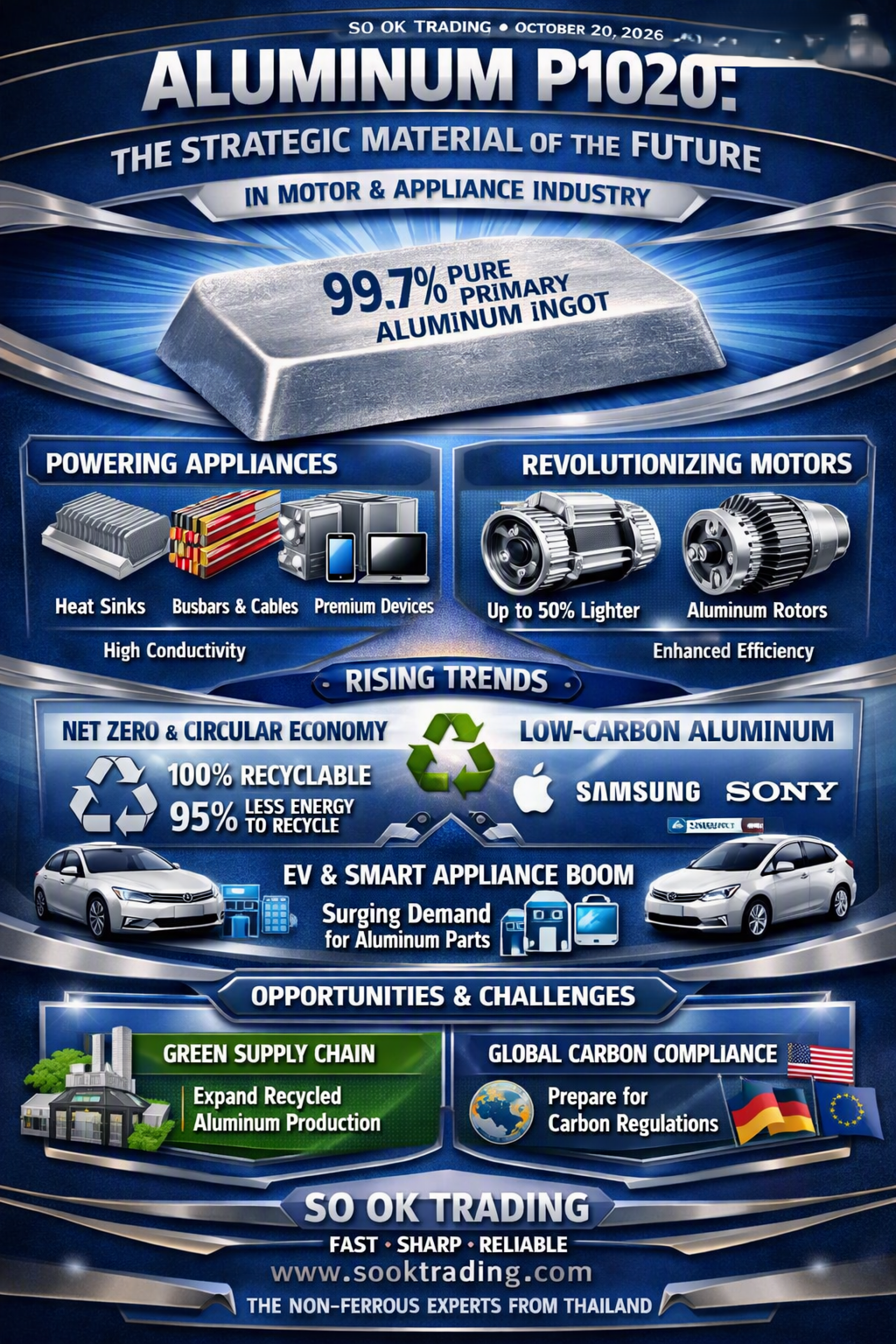
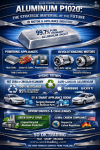
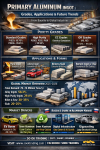
Aluminum P1020: The Strategic Material of the Future — Driving Electrification and Transforming the Motor & Appliance Industries Aluminum P1020, also known as Primary Aluminum Ingot, is a high‑grade metal with a purity of no less than 99.7% and extremely low impurities. Recognized as the global trading standard by the London Metal Exchange (LME), this material is far more than just a metal — it is the “core” of modern industry, serving as the foundation for alloys and components across a wide range of applications, from household appliances to electric motors.
Powering Appliances
Aluminum P1020’s outstanding conductivity and heat dissipation make it essential for busbars, cables, and electrical connectors — the backbone of power systems in homes and industries. It is also widely used in heat sinks for computers, televisions, and high‑performance electronics. Beyond functionality, aluminum delivers durability and premium aesthetics. High‑end appliances such as refrigerators, air conditioners, and laptops often feature anodized aluminum exteriors, offering a sleek finish that resists scratches and corrosion.
Revolutionizing Motors
Traditionally, electric motors were made of heavy cast iron with poor heat dissipation. The introduction of aluminum changed everything. Aluminum motor housings are 30–50% lighter and dissipate heat three times faster, resulting in cooler operation and longer lifespan. Induction motor rotors commonly use aluminum casting, reducing costs while maintaining efficiency. More recently, manufacturers have begun experimenting with aluminum magnet wire as a substitute for copper, significantly reducing system weight — a major advantage in the era of electric vehicles (EVs).
Emerging Trends
The world is moving toward Net Zero and the Circular Economy, and aluminum is at the center of this transition. It is 100% recyclable, and recycling consumes 95% less energy than primary production, dramatically reducing carbon footprints. Global brands such as Apple, Samsung, and Sony now require aluminum components to come from recycled sources or smelters powered by renewable energy, in order to comply with Europe’s Carbon Border Adjustment Mechanism (CBAM). Meanwhile, the air‑conditioning and refrigeration industries are shifting from copper tubes to aluminum microchannel tubes, reducing refrigerant usage by up to 30% and making appliances lighter and more efficient.
Opportunities & Challenges for Thai Industry
Thailand is a major global hub for motor and appliance manufacturing, and these trends directly impact local producers.
Opportunities: Advanced Thai casting and rolling facilities can expand into EV components and premium appliance parts.
Challenges: Building a green supply chain, increasing recycled aluminum usage, and preparing carbon footprint documentation are urgent priorities to remain competitive in U.S. and European markets.
Natural disasters such as flooding and global energy crises also compel factories to invest in protective systems and adopt clean energy, ensuring resilience and stability in supply chains.
Conclusion
Aluminum P1020 is not just a high‑purity metal — it is a strategic material of the future. From household appliances to EV motors, it is driving electrification and sustainability worldwide. For Thai manufacturers, embracing Green Aluminum and environmentally friendly production systems is essential to maintain competitiveness in rapidly evolving global markets.
✨ FAST • SHARP • RELIABLE www.sooktrading.com SOOKTRADING@SOOKTRADING.COM Facebook: SOOK TRADING