“After Chinese New Year, Gold Remains in Bullish Trend: In-Depth Analysis by SO OK TRADING” “$5,500 Is Not the End: Gold Is Consolidating for the Next Rally”
“Gold After Chinese New Year 2026: Consolidating for the Next Move”
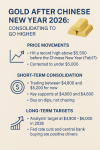
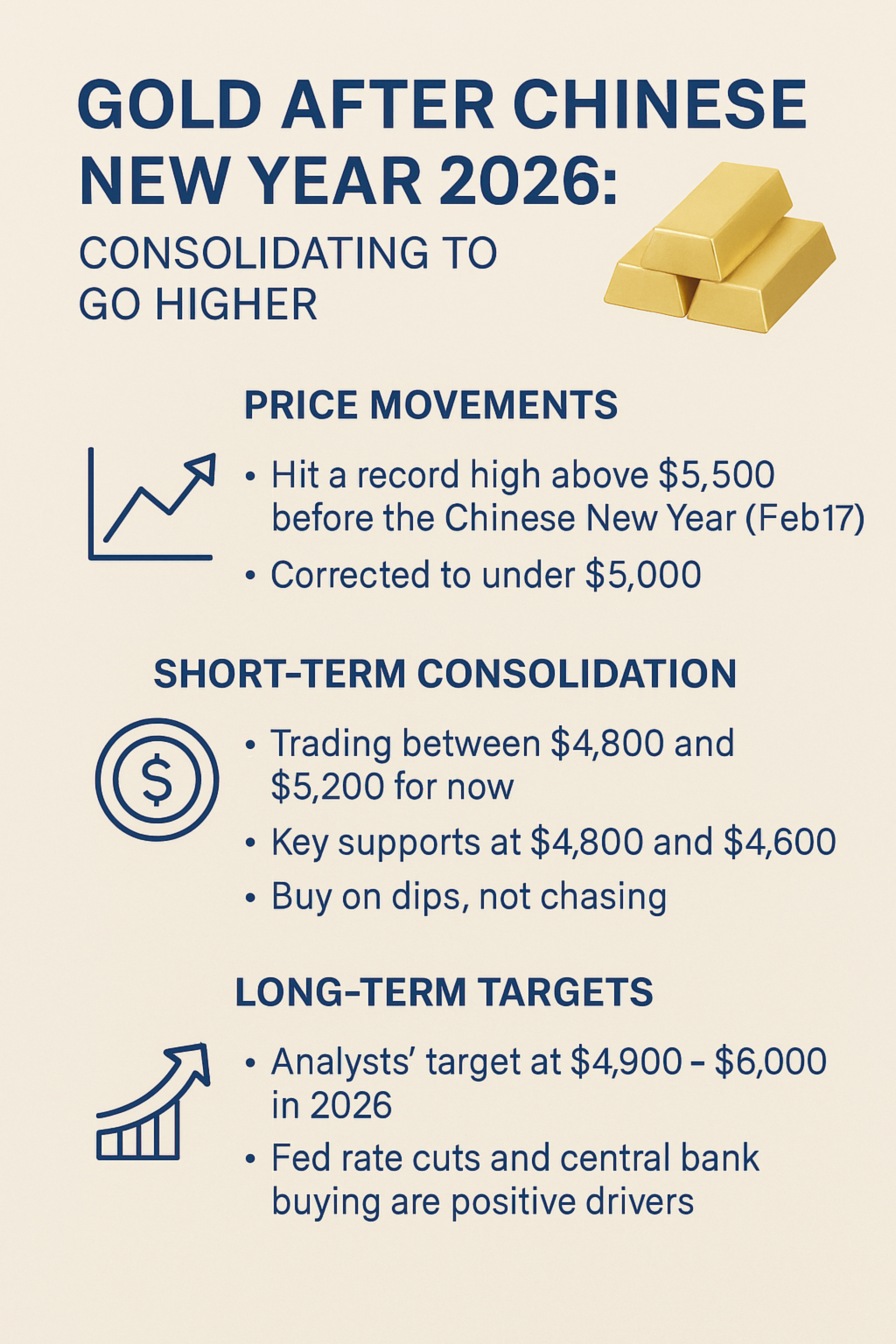
BY SO OK TRADINGAfter the Chinese New Year (February 17, 2026), global gold prices entered a correction phase. Earlier this year, gold surged past $5,500, setting a new all-time high. Yet, consistent with 20 years of historical patterns, demand from China typically slows after the festival, leading to short-term pullbacks. Still, the broader picture remains bullish, with strong potential for new highs later in 2026.
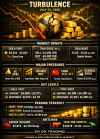
Gold Price Movements in Early 2026
Early January: Gold opened around $4,325, supported by safe-haven demand amid economic uncertainty.
Following week: Prices climbed to $4,510, then $4,597.
Mid-January: Gold reached $4,984.
Late January: Prices surged to $5,395–$5,597, marking a record high.
Early February: Profit-taking pushed prices down to $5,150 and $5,015.
Post-Chinese New Year: Continued correction, currently around $4,923.
Short-Term Consolidation
Global Gold Spot: Trading between $4,900–$5,000.
Thai Gold Prices: Moving within 71,300–77,240 THB, pressured by a stronger USD.
Key Support Levels: $4,800 and $4,600 (approx. 72,000–68,000 THB), seen as attractive accumulation zones for long-term investors.
Long-Term Targets
Analysts and gold associations project $4,900–$6,000 within 2026.
Main drivers: Anticipated Fed rate cuts and continued central bank gold purchases to reduce reliance on the US dollar.
Factors to Watch
Fed Policy: Clear signals of rate cuts could trigger immediate rallies.
Thai Baht: A weaker baht supports domestic gold prices.
Geopolitics: Middle East tensions and US-China trade frictions boost safe-haven demand.
Central Bank Buying: Ongoing de-dollarization policies provide a strong price floor.
Investment Strategies
Short-Term Traders: Focus on the $4,800–$5,200 range (Thai gold ~73,000–75,000 THB). Watch for selling pressure if prices fail to break $5,100.
Long-Term Investors: Use corrections to gradually accumulate, aiming for the $6,000 target.
Q1 2026 Outlook
Global Gold: Expected to trade between $4,800–$5,200, with potential to retest $5,000 by end-March.
Thai Gold: Likely to remain in the 70,000–76,000 THB range, supported by possible baht weakness.
Strategy: Accumulate near $4,750–$4,800 and take profits around $5,100–$5,200 (Thai gold ~75,000 THB+).
Conclusion BY SO OK TRADING
After the Chinese New Year, gold is “consolidating to go higher.” Investors should avoid chasing prices and instead accumulate during dips. The overall trend remains bullish, with strong chances of setting new highs again in 2026.