Share

“Oil Prices Break the Ceiling: Thailand Shaken, Global Economy at Risk — Oil Shock 2026 When Living Costs Skyrocket and the World Stumbles” Article by SO OK TRADING | March 18, 2026
Last updated: 18 Mar 2026
3395 Views

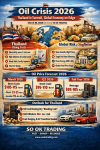
Oil Price Crisis 2026: Thailand Hit Hard, Global Economy at Risk
️ Article by SO OK TRADING | March 18, 2026

The surge in oil and natural gas (LNG) prices driven by Middle East tensions is not just an economic headline — it is a shockwave shaking Thai households and destabilizing the global economy.

Thailand: Rising Living Costs
As a net energy importer, Thailand is hit harder than many nations.

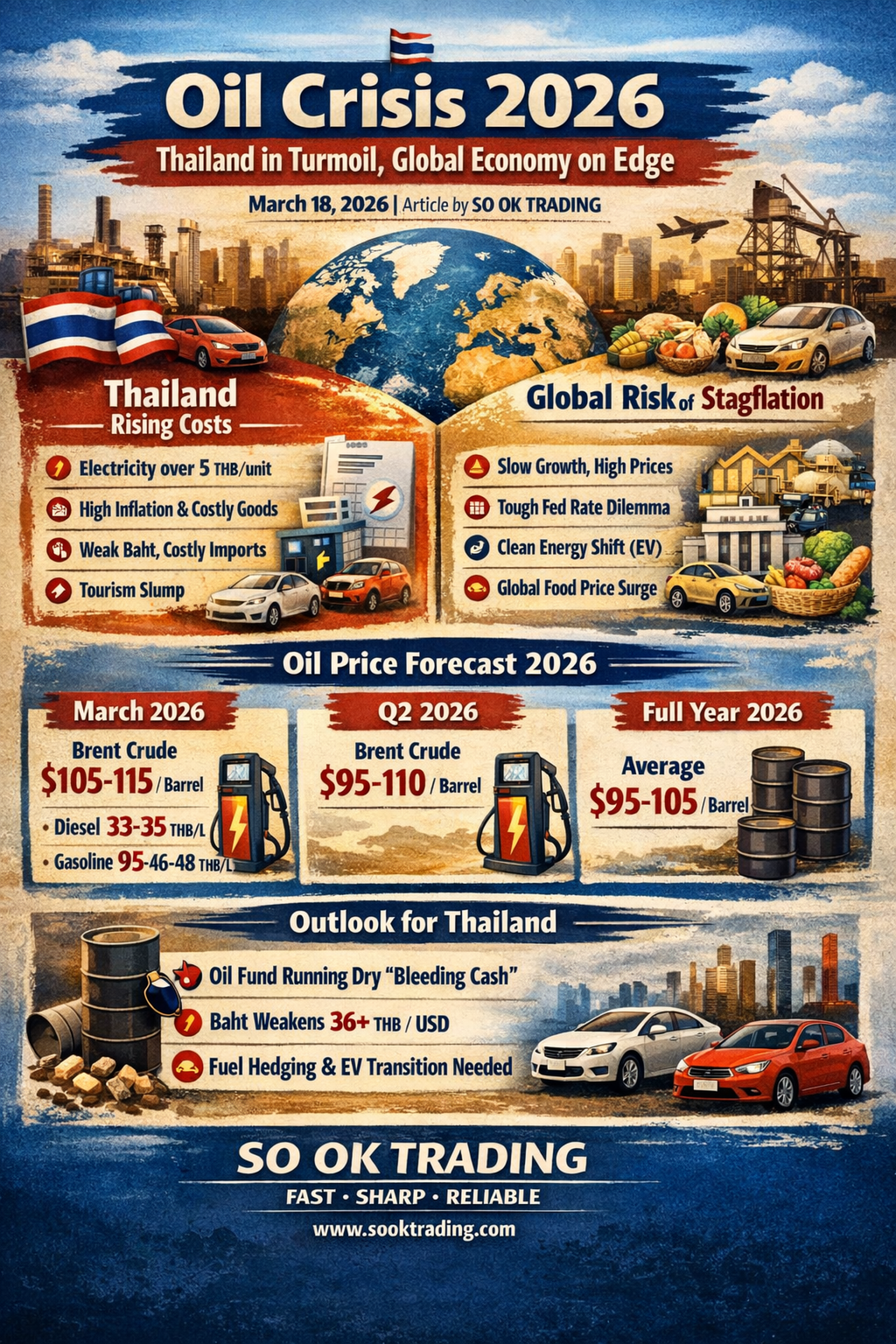
Electricity Costs: Over 60% of Thailand’s power relies on natural gas. With global gas prices soaring, FT adjustments will push electricity bills beyond 5 THB/unit, directly impacting households and businesses.
Transport Inflation: Diesel prices drive up logistics costs, fueling cost-push inflation and squeezing consumer purchasing power.
Weak Baht: Higher energy import bills weaken the currency, making oil imports even more expensive — a vicious cycle.
Tourism Slowdown: Rising fuel surcharges increase airfare, discouraging foreign tourists and hurting Thailand’s service sector.
Global: Risk of Stagflation
The impact extends far beyond Thailand.

Slow Growth, High Prices: Oil drains consumer wallets while production costs rise, pushing the world toward stagflation.
Central Bank Dilemma: Institutions like the Fed face tough choices between raising rates to fight inflation or cutting them to support slowing economies.
Clean Energy Transition: Europe and China accelerate investments in renewables and EVs to reduce reliance on Middle Eastern oil.
Food Price Surge: Natural gas-based fertilizer costs rise, driving global food inflation and risking hunger crises in poorer nations.


⛽ Oil Price Forecast 2026

March 2026: Brent crude expected at $105–115/barrel. In Thailand, diesel likely capped at 33–35 THB/liter, gasoline 95 at 46–48 THB/liter (if floated).
Q2 2026 (Apr–Jun): Brent crude averages $95–110/barrel. OPEC+ reserves may ease prices slightly, but summer demand in the US and Europe will keep them high.
Full Year 2026:
H1: $100–120/barrel
H2: $85–95/barrel (if tensions ease)
Annual average: $95–105/barrel — the highest in years.
Thailand’s Energy Outlook

The Oil Fund risks running dry, forcing diesel prices to reflect market rates later in the year.
The baht may weaken beyond 33 THB/USD, making pump prices in Thailand harder to reduce compared to global benchmarks.
Businesses should adopt Fuel Hedging and accelerate EV Fleet transitions, as cheap oil is unlikely to return this year.
✨ Conclusion: 2026 is
A year when Thailand faces its highest living costs in years, while the world risks stagflation and accelerates the clean energy transition.


SO OK TRADING — Your Strategic Business Partner
FAST • SHARP • RELIABLE
www.sooktrading.com


Related Content
Aluminum changes the world: Not just an ordinary can, but a smart package that shapes the future of food and beverages.
Aluminum: The Heart of Global & Thai Packaging From a lightweight metal to smart packaging that is safe, endlessly recyclable, and cost‑efficient in transportation! Did you know… the aluminum can you’re holding has a history dating back to the 19th century, and today it is becoming the “symbol of the future” for the global food and beverage industry
24 Feb 2026
ทิศทางการใช้ อลูมิเนียมในอนาคต (ปี2026) , ทิศทางราคาอลูมิเนียม และ สถานะการณ์ Carbon Footprint
ทิศทางในอนาคตของอลูมิเนียมไทยมุ่งเน้น ความยั่งยืน (Sustainability) และ เทคโนโลยีขั้นสูง (Advanced Technology) โดยจะเน้น อลูมิเนียมคาร์บอนต่ำ และ อลูมิเนียมรีไซเคิล เพื่อตอบโจทย์อุตสาหกรรมยานยนต์ไฟฟ้า (EV) และการก่อสร้างที่เป็นมิตรต่อสิ่งแวดล้อม พร้อมพัฒนา การเคลือบผิวใหม่ๆ และระบบเศรษฐกิจหมุนเวียน (Circular Economy) เช่น โครงการ Aluminium Loop เพื่อลดต้นทุน เพิ่มมูลค่า และรักษาความสามารถในการแข่งขันในตลาดโลก. แนวโน้มสำคัญ: การเติบโตในอุตสาหกรรมยานยนต์ไฟฟ้า (EV): รถ EV ต้องการใช้อลูมิเนียมเพิ่มขึ้นมากเพื่อลดน้ำหนัก ช่วยประหยัดพลังงานและเพิ่มระยะทางวิ่ง. ความต้องการอลูมิเนียมคาร์บอนต่ำ (Low-Carbon Aluminium): ตอบสนองมาตรการสิ่งแวดล้อมทั่วโลก (เช่น EU CBAM) โดยเฉพาะการใช้อลูมิเนียมรีไซเคิลสูง ซึ่งลดการปล่อยคาร์บอนได้มาก. เศรษฐกิจหมุนเวียน (Circular Economy): โครงการอย่าง "Aluminium Loop" ขับเคลื่อนการรีไซเคิลบรรจุภัณฑ์อลูมิเนียมครบวงจร เพื่อลดขยะและสร้างมูลค่า. นวัตกรรมการเคลือบผิว (Coating Innovations): การเคลือบผิวแบบใหม่ๆ เพื่อเพิ่มฟังก์ชัน เช่น ป้องกันแบคทีเรีย (Anti-microbial) ทำความสะอาดง่าย (Easy-to-clean) สร้างผิวสัมผัสใหม่. การก่อสร้างแบบสำเร็จรูปและโมดูลาร์ (Modular Construction): ใช้อลูมิเนียมมากขึ้นในการผลิตชิ้นส่วนสำเร็จรูปนอกสถานที่ เพื่อความแม่นยำและลดของเสีย. การบูรณาการพลังงานหมุนเวียน (Renewable Energy): ใช้อลูมิเนียมในโครงสร้างรองรับแผงโซลาร์เซลล์ และระบบพลังงานสะอาดอื่นๆ. ความท้าทาย: ต้นทุนพลังงาน & ห่วงโซ่อุปทาน: ความผันผวนของราคาพลังงานและความท้าทายในห่วงโซ่อุปทาน. การแข่งขัน: ประเทศคู่แข่งเร่งพัฒนาเทคโนโลยีรีไซเคิล ทำให้ไทยต้องพัฒนาต่อเนื่องเพื่อรักษาผู้นำ. โอกาส: ไทยมีศักยภาพด้านแรงงานฝีมือ และอุตสาหกรรมต้นน้ำ-กลางน้ำ-ปลายน้ำที่ครบวงจร. การปรับตัวสู่การผลิตคาร์บอนต่ำสร้างโอกาสทางธุรกิจใหม่ๆ โดยเฉพาะการเป็นผู้นำด้านอลูมิเนียมรีไซเคิล. สรุป: อลูมิเนียมไทยจะก้าวสู่ยุคใหม่ที่เน้น "เขียว" (Green) และ "ฉลาด" (Smart) โดยการรีไซเคิลและเทคโนโลยีจะเป็นหัวใจสำคัญในการสร้างการเติบโตและความยั่งยืน.
16 Dec 2025
“Hormuz on Fire! Global Logistics Shaken, Freight Costs Soar – Middle East Supply Shock, The Year of High Costs and Extreme Volatility” Article by SO OK TRADING | March 13, 2026
“Hormuz Strait on Fire – Global Logistics Shaken, Freight Costs Exploding” SUPPLY & DEMAND SHOCK from the Middle East | March 13, 2026 Article by SO OK TRADING When Iran closed the Strait of Hormuz and attacked merchant vessels, over 30% of the world’s oil shipping routes were instantly disrupted. Crude oil prices surged past $150 per barrel, and freight rates skyrocketed 2–3 times within days. -
13 Mar 2026
This website uses cookies for best user experience, to find out more you can go to our Privacy Policy and Cookies Policy
Powered By MakeWebEasy Logo MakeWebEasy