แชร์

“รีไซเคิล 5.0: เกมใหม่ของโลกธุรกิจ เมื่อ AI และ Circular Economy พลิกขยะให้เป็นทุนแห่งอนาคต”:SO OK TRADING 16 MAY 2026

อัพเดทล่าสุด: 16 พ.ค. 2026
161 ผู้เข้าชม

รีไซเคิล – จาก “ขยะ” สู่ “ทุนยุทธศาสตร์โลก”

---------------

รีไซเคิลไม่ใช่แค่รักษ์โลก แต่คือกติกาใหม่ของธุรกิจโลก วันนี้การรีไซเคิลถูกยกระดับจาก “ความสมัครใจ” สู่ “ข้อบังคับ” ภายใต้แนวคิด Circular Economy ที่บังคับให้ทุกอุตสาหกรรมต้องหมุนเวียนทรัพยากรกลับมาใช้ใหม่ ทั้งเพื่อลดคาร์บอนฟุตพริ้นท์และเพื่อความมั่นคงทางวัตถุดิบในอนาคต

---------------
 
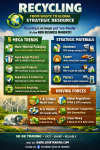
♻️ 5 เทรนด์รีไซเคิลที่กำลังเปลี่ยนโลกธุรกิจ

Mono-Material Packaging: บรรจุภัณฑ์วัสดุเดียว ลดขั้นตอนคัดแยก รีไซเคลง่าย ได้เม็ดพลาสติกคุณภาพสูง

Food-Grade Plastics: rPET และ rHDPE ถูกใช้ในบรรจุภัณฑ์อาหารและเครื่องดื่ม หลังข้อกฎหมายปลดล็อก

Upcycling สินค้าพรีเมียม: พลาสติก PET กลายเป็นเสื้อผ้ากีฬาแบรนด์ดัง เศษแก้วและโลหะกลายเป็นเฟอร์นิเจอร์หรู

Regulation & Carbon Tax: กฎหมายบังคับสัดส่วนรีไซเคิล และการวัด Carbon Footprint เพื่อรับมือภาษีคาร์บอน

Advanced Recycling: พลาสติกซับซ้อนถูกย่อยสลายทางเคมีกลับเป็นสารตั้งต้นบริสุทธิ์ ใช้งานได้ไม่สิ้นสุด

----------------
 
⚡ รีไซเคิลโลหะ: จาก Scrap Yard สู่ Strategic Industry

Aluminum: โลหะสีเขียวแห่ง EV ใช้พลังงานน้อยลงถึง 95% เมื่อรีไซเคิล พร้อม AI คัดแยกเศษโลหะให้บริสุทธิ์จนใช้ได้ในอุตสาหกรรมขั้นสูง

Copper: หัวใจพลังงานสะอาด ขาดแคลนแร่ใหม่ ทำให้ “เหมืองในเมือง” จาก E-Waste กลายเป็นแหล่งทองแดงยุทธศาสตร์ ลดคาร์บอนได้ถึง 85%

Lead: ระบบหมุนเวียนปิดที่สมบูรณ์ รีไซเคิลได้กว่า 90% ใช้ในแบตเตอรี่สำรองไฟ Data Center และระบบโซลาร์ พร้อมมาตรฐาน Zero Emission

Plastics: ถูกบังคับให้มีสัดส่วนรีไซเคิลในชิ้นส่วนอุตสาหกรรม พร้อมเทคโนโลยี Chemical Recycling ที่คืนคุณภาพเทียบเท่าใหม่

----------------
 
แรงขับเคลื่อนเศรษฐกิจรีไซเคิล

มูลค่าตลาดรีไซเคิลทะยานสู่ 1.6 ล้านล้านดอลลาร์สหรัฐ

กฎหมายระดับโลก เช่น PPWR และ EPR บังคับให้ผู้ผลิตรับผิดชอบการเก็บและรีไซเคิล

AI และหุ่นยนต์คัดแยกขยะได้แม่นยำกว่า 95%

Blockchain สร้างความโปร่งใส ป้องกัน Greenwashing

Urban Mining กลายเป็นแหล่งวัตถุดิบใหม่สำหรับ EV และ Data Center

----------------
 
สถานการณ์โลก: โอกาสและความย้อนแย้ง

อัตรารีไซเคิลเฉลี่ยทั่วโลกยังอยู่เพียง 19% แม้ตลาดเติบโต

ยุโรป นำด้วยมาตรการเข้มงวดและอัตรารีไซเคิลสูงกว่า 50%

เอเชีย-แปซิฟิก ครองตลาดใหญ่สุด 41% โดยจีนและเกาหลีใต้เป็นผู้นำแบตเตอรี่ EV

อเมริกาเหนือ ลงทุนหนักใน Polymer Centers และเทคโนโลยีขั้นสูง
 
 สำหรับธุรกิจ รีไซเคิลคือ “New S-Curve” ที่ผสานทั้ง นวัตกรรม กฎหมาย และความยั่งยืน

ใครปรับตัวเร็ว = ได้เปรียบด้านต้นทุนและการเข้าถึงตลาด
ใครช้า = เสี่ยงเจอภาษีคาร์บอนและถูกตัดออกจากห่วงโซ่อุปทาน
 
บทสรุป: รีไซเคิลไม่ใช่แค่ “ขยะที่กลับมาใช้ใหม่” แต่คือ ทุนยุทธศาสตร์โลก ที่จะกำหนดอนาคตธุรกิจและการค้าโลกในทศวรรษหน้า

----------------

SO OK TRADING : พันธมิตรทางธุรกิจของคุณ

SO OK TRADING : FAST SHARP RELIABLE 

VISIT US AT WWW.SOOKTRADING.COM

FACEBOOK : SO OK TRADING

---------------

บทความที่เกี่ยวข้อง
Aluminum Scrap, Copper Scrap Usage and it  background
Aluminum and copper scrap are vital for new products, with aluminum used in lightweight automotive/aerospace parts, packaging (cans), and construction (siding, windows) for its strength-to-weight ratio, while copper excels in electrical wiring, plumbing, and electronics due to its superior conductivity and corrosion resistance, with both metals significantly reducing energy and resources compared to virgin material. Aluminum Scrap Usage Transportation: Car parts, airplane components, trains (reducing weight for fuel efficiency). Packaging: Beverage cans, foil, food containers (lightweight, non-toxic). Construction: Window frames, roofing, siding, structural elements. Electronics: Casings, heat sinks. Copper Scrap Usage Electrical: Wiring (household, industrial), motors, generators, transformers (best conductor). Plumbing: Pipes, fittings (corrosion-resistant). Electronics & Renewables: Circuit boards, solar panels, wind turbines, EVs (high demand). Industrial: Machinery, heat exchangers, decorative items (as brass). Key Benefits of Recycling Both Energy Savings: Significantly less energy needed than mining new ore. Resource Conservation: Reduces mining impact and conserves natural resources like bauxite. Circular Economy: Creates a sustainable loop, especially crucial for growing green tech demand.
25 ธ.ค. 2025
Aluminium Packaging: Passport to Global Sustainability: จากไทยสู่โลก: อลูมิเนียมคือกุญแจสู่ Net Zero บทความจาก SO OK TRADING
Aluminium Packaging: Key to Global & Sustainable Growth (2568–2572) บรรจุภัณฑ์อะลูมิเนียมคือ “ตั๋วผ่านทาง” สู่ตลาดโลกยุคใหม่ - น้ำหนักเบา แข็งแรง → ลดต้นทุนขนส่ง - Barrier Properties สูง → ป้องกันไอน้ำ ก๊าซ และแสง - รีไซเคิลได้เกือบ 100% → วัสดุหมุนเวียนไม่สูญเสียคุณภาพ - ตอบโจทย์ Net Zero & EPR Law → กดดันให้เปลี่ยนจากพลาสติกสู่อลูมิเนียม
30 ม.ค. 2026
Aluminum Recycling the Circle and How it work
Aluminium is the most abundant metal in the earth’s crust. Approximately 75% of aluminium ever produced is still in use today as it can be recycled endlessly without compromising any of its unique properties or quality. Aluminium’s lifecycle provides significant benefits through recycling, saving 95% of the energy it would take to make new aluminium metal. More information on recycling may be found here. Recycling aluminium has five steps: Step 1: Collecting Scrap There are two categories of aluminium scrap: New Scrap New Scrap is surplus material that arises during the manufacture and fabrication of aluminium products, up to the point where they are sold to the final consumer. For example, off cuts of aluminium sheet or extrusions are considered new scrap. Sometimes, this new scrap can be safely recycled by aluminium smelters as its composition is known. Old Scrap Old Scrap is material that has been used by the consumer and subsequently discarded. For example, used beverage cans, window frames, electrical cabling and car cylinder heads are all considered old scrap. Aluminium smelters are unable to safely accept this old scrap as its composition is usually unknown and it can be contaminated. Scrap aluminium is also collected from the community – from households, scrap merchants, local and regional authorities, etc. Step 2: Sorting Scrap The scrap is then sorted – grouping all coated (painted or lacquered) aluminium together, and grouping all uncoated aluminium together. Paper, plastic and other non-aluminium recycling needs to be removed. Step 3: Crushing The sorted aluminium is then crushed into bales – by compacting the aluminium scrap, it reduces freight, storage and handling costs Step 4: Remelting Uncoated scrap is loaded directly into a large furnace called a remelter, where it is heated at high temperatures and turned into molten form. If the scrap aluminium is coated, it is processed through a gas fired rotary furnace to remove any coating and then transferred to the remelter. Step 5: Casting The molten aluminium is cast at a temperature of just over 700°C to form ingots
13 พ.ย. 2025
This website uses cookies for best user experience, to find out more you can go to our นโยบายความเป็นส่วนตัว และ นโยบายคุกกี้
Powered By MakeWebEasy Logo MakeWebEasy