แชร์

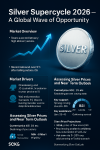
Silver Supercycle 2026 – จากสงครามสู่พลังงานสะอาด โลหะมีค่าที่ผลักดันโลกสู่อนาคต วิเคราะห์สถานการณ์ราคา แนวโน้ม ทิศทางแร่เงิน : บทความจาก SO OK TRADING
อัพเดทล่าสุด: 5 มี.ค. 2026
1948 ผู้เข้าชม

Silver Supercycle 2026 – คลื่นใหญ่แห่งโอกาสที่โลกจับตา : และผลกระทบจาก สงครามตะวันออกกลาง สหรัฐอเมริกา และ อิหร่าน

ภาพรวมตลาด

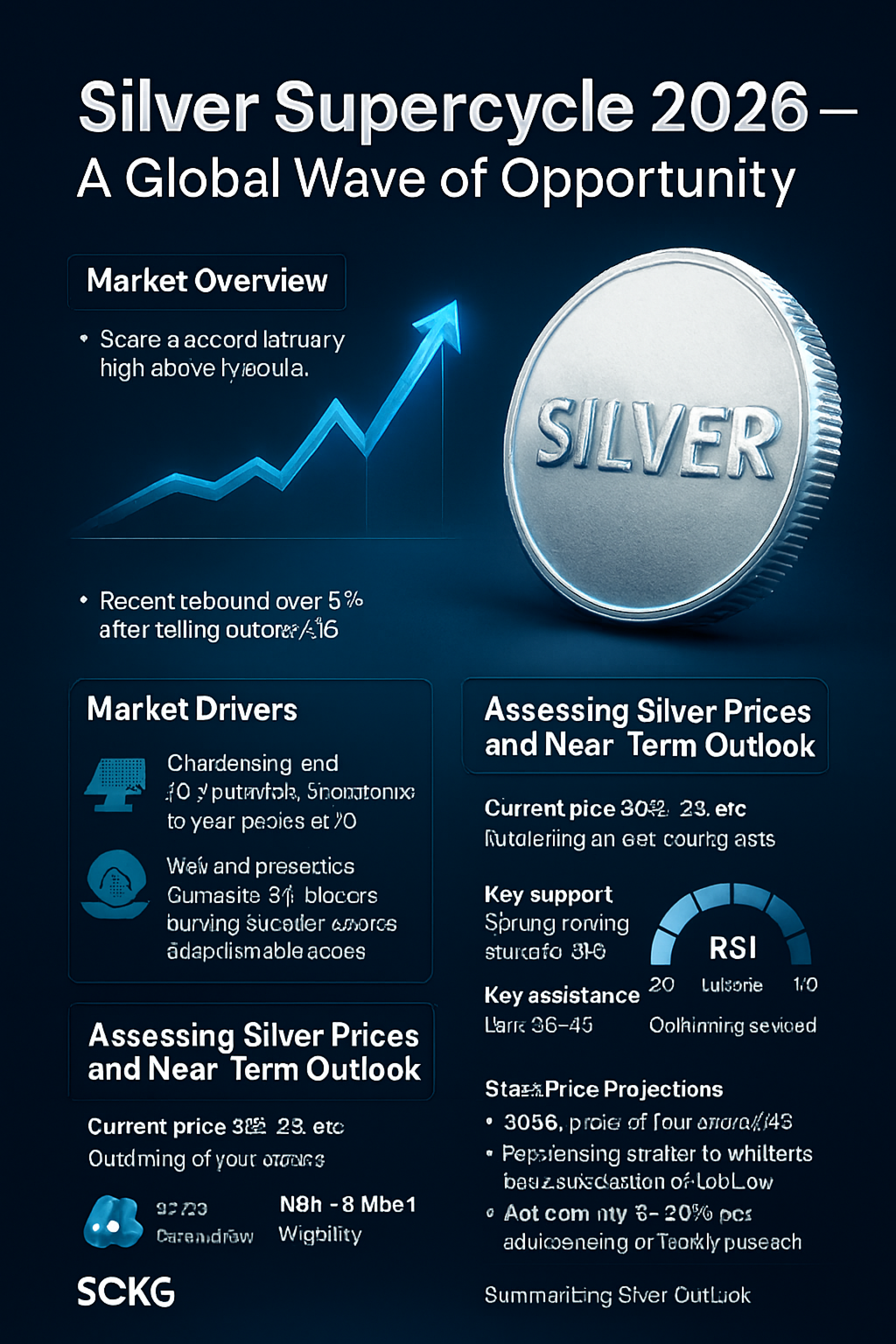
ปี 2026 คือปีที่ แร่เงิน (Silver) กำลังสร้างปรากฏการณ์ครั้งสำคัญ ราคาพุ่งทะยานจนทำสถิติใหม่เหนือ 125 ดอลลาร์ต่อออนซ์ ในช่วงเดือนมกราคม 2026 ก่อนจะพักฐานและผันผวนอย่างรุนแรงลงไปที่ระดับ 72-73 ดอลลาร์ต่ออนซ์ ก่อนจะดีดกลับขึ้นมาอีกครั้งที่ระดับ 83–85 ดอลลาร์ในต้นเดือนมีนาคม สะท้อนว่าแรงซื้อยังคงแข็งแกร่งและมีโอกาสไปต่อ

ราคาล่าสุดดีดกลับกว่า 5% หลังร่วงต่ำกว่า 75 ดอลลาร์
เงินทำผลงานโดดเด่นกว่าทองคำ พุ่งแรงกว่า 55% ภายในเดือนเดียว (เดือนมกราคม 2026)
 

ปัจจัยหนุนตลาด

อุตสาหกรรมพลังงานสะอาดและ EV: เงินเป็นวัตถุดิบหลักในโซลาร์เซลล์และรถยนต์ไฟฟ้า ความต้องการสูงสวนทางกับอุปทานที่จำกัด
สงครามและภูมิรัฐศาสตร์: ความตึงเครียดในตะวันออกกลางทำให้นักลงทุนหันมาถือครองเงินในฐานะสินทรัพย์ปลอดภัย


การคาดการณ์จากสถาบันการเงิน: J.P. Morgan มองราคาเฉลี่ย ~81 ดอลลาร์, Citigroup มองเป้าหมาย 70–100 ดอลลาร์
 
ประเมินราคาแร่เงิน และ แนวโน้มในอนาคตอันใกล้

ราคาปัจจุบันอยู่ที่ประมาณ 84–85 ดอลลาร์ต่อออนซ์ กำลังแกว่งตัวเพื่อรอปัจจัยใหม่จากสถานการณ์สงคราม

แนวต้านสำคัญ: 88–90 ดอลลาร์ หากผ่านได้จะยืนยันการกลับตัว และ 94–96 ดอลลาร์ หากทะลุมีโอกาสไปถึง 100–120 ดอลลาร์
แนวรับสำคัญ: 79–80 ดอลลาร์ เป็นเส้นค่าเฉลี่ย 50 วัน และ 72 ดอลลาร์ เป็นจุดต่ำสุดเดิมของเดือนกุมภาพันธ์


RSI (Relative Strength Index) เป็นตัวชี้วัดแรงซื้อแรงขายในตลาด โดยมีค่าระหว่าง 0–100 --> ปัจจัยนี้ใช้วิเคราะห์ความน่าจะเป็นของราคาสินแร่เงินในอนาคต 

RSI ต่ำกว่า 30 → ตลาดอยู่ในภาวะขายมากเกินไป (Oversold)
RSI สูงกว่า 70 → ตลาดอยู่ในภาวะซื้อเกินไป (Overbought)
RSI ประมาณ 50 → ตลาดอยู่ในภาวะ “กลาง ๆ” หรือ Neutral Zone


ปัจจุบัน RSI ของแร่เงินอยู่ที่ระดับ ~50 ซึ่งสะท้อนว่า ตลาดยังลังเลและรอความชัดเจนจากปัจจัยภายนอก ไม่ได้อยู่ในภาวะร้อนแรงเกินไปหรืออ่อนแรงจนหมดแรงซื้อ แต่เป็นการสะสมพลังเพื่อรอทิศทางใหม่ หากมีข่าวสงครามหรืออุปสงค์อุตสาหกรรมเข้ามาหนุน RSI อาจพุ่งขึ้นไปเหนือ 60–70 ซึ่งจะเป็นสัญญาณเชิงบวกว่าตลาดพร้อมเข้าสู่รอบขาขึ้นอีกครั้ง


คาดการณ์ราคาแร่เงิน หลัง จาก ประเมินข้อมูลจาก RSI INDEX

มีนาคม 2569: 80–92 ดอลลาร์ → ตลาดสร้างฐาน รอข่าวสงคราม
ไตรมาส 2: 85–105 ดอลลาร์ → อุปสงค์อุตสาหกรรมหนุน อาจทะลุ 100 ดอลลาร์
ทั้งปี: 75–120 ดอลลาร์
Base Case: เฉลี่ย 80–85 ดอลลาร์
Bull Case: หากสงครามยืดเยื้อ + Fed ลดดอกเบี้ย อาจแตะ 110–120 ดอลลาร์
Risk Case: หากสงครามยุติเร็วหรือเศรษฐกิจโลกถดถอย อาจปรับฐานลง 65–70 ดอลลาร์
 
สรุปแนวโน้มแร่เงิน

ปี 2569 คือปีแห่ง Silver Supercycle

แนวโน้มหลักยังเป็น Bullish
แต่ความผันผวนสูงมาก หลีกเลี่ยงการไล่ราคาในช่วงข่าวสงครามรุนแรง
 
"Silver Supercycle 2569 – คลื่นใหญ่แห่งโอกาสที่โลกจับตา"
"เงินพุ่งแรงกว่าทอง! ปีนี้ใครไม่ถือเงิน อาจพลาดคลื่นขาขึ้นครั้งประวัติศาสตร์"
"จากโซลาร์เซลล์ถึง Safe Haven – Silver คือโลหะที่ทั้งอุตสาหกรรมต้องการ"
 
SO OK TRADING : พันธมิตรทางธุรกิจของคุณ : ท่านสามารถติดต่อเราได้ที่ www.sooktrading.com หรือส่งอีเมลล์หาเราได้ที่ sooktrading@outlook.com


บทความที่เกี่ยวข้อง
 “พลังโลหะเปลี่ยนโลก: อลูมิเนียม ทองแดง นิกเกิล และแร่หายาก จุดชนวนแห่งนวัตกรรม ปฏิวัติรถยนต์ไฟฟ้า EV: บทความโดย SO OK TRADING 19 มีนาคม 2026
สงครามโลหะและแร่หายาก: พลังที่ซ่อนอยู่เบื้องหลังการปฏิวัติรถยนต์ไฟฟ้า รถยนต์ไฟฟ้าไม่ได้ขับเคลื่อนด้วยไฟฟ้าเพียงอย่างเดียว แต่ขับเคลื่อนด้วย “อลูมิเนียม ทองแดง นิกเกิล และแร่หายาก” ที่กำลังกลายเป็นหัวใจของนวัตกรรม EV ทั่วโลก บทความล่าสุดจาก SO OK TRADING วิเคราะห์เจาะลึกว่า: - โลหะพื้นฐานเหล่านี้มีบทบาทอย่างไรในแบตเตอรี่และระบบไฟฟ้าของรถ EV - แร่หายากอย่าง Neodymium, Dysprosium, Praseodymium ช่วยให้มอเตอร์มีแรงบิดสูงและขนาดเล็กได้อย่างไร - เทรนด์โลกปี 2025–2030 จะเปลี่ยนทิศทางการใช้โลหะและแร่หายากอย่างไร - ค่ายรถยนต์ชั้นนำอย่าง Tesla, BMW, Renault, Nissan, BYD และ Toyota กำลังพัฒนาเทคโนโลยีใหม่เพื่อลดการพึ่งพาแร่หายากอย่างไร
19 มี.ค. 2026
ALUMINUM PRICE TREND 2026
An analysis of the aluminum market in 2026 indicates a likely continued market deficit and upward price pressure, driven by constrained supply and resilient demand from green energy sectors. However, significant volatility is expected due to policy uncertainties and the potential for new Indonesian supply to eventually balance the market. Key Drivers and Projections for 2026 Supply Side Analysis Capacity Constraints: China's primary aluminum output is approaching its self-imposed 45 million-tonne capacity cap, limiting global supply growth. Power Challenges: Smelters outside of China face intense competition for power from energy-intensive sectors like AI data centers, which are willing to pay higher prices for long-term contracts. This has kept significant capacity offline in Europe and the US. Production Disruptions: Outages and potential shutdowns at existing smelters in Iceland and Mozambique further tighten the market. Scrap Supply Pressure: The EU's planned implementation of the Carbon Border Adjustment Mechanism (CBAM) and potential scrap export tariffs in spring 2026 are expected to impact global scrap flows, creating regional shortages and price volatility. New Capacity: Indonesia is a key source of new supply, with several projects in the pipeline. However, analysts suggest the pace of the ramp-up may be slower than expected due to infrastructure and policy challenges, meaning it is unlikely to fully offset near-term tightness. Demand Side Analysis Green Transition Demand: Demand from "green" sectors such as solar panels, new energy vehicles, and energy transition infrastructure remains strong, providing fundamental support for the market. Substitution Effect: Aluminum's wide price discount relative to copper has encouraged substitution in electrical applications, acting as a tailwind for demand and prices. Construction and Automotive: The construction and automotive industries continue to be major consumers, with growing demand for lightweight, low-carbon aluminum products. Price Forecasts and Volatility The market is expected to remain in a deficit in 2026, with estimates ranging from 200,000 to 600,000 tonnes. This structural tightness is leading most analysts to forecast sustained or rising prices. Bullish Views: Analysts at Bank of America project prices of $3,000/tonne as early as 2026. J.P. Morgan also expects prices to approach $3,000/tonne in Q1 2026. ING forecasts an average price of $2,900/tonne for the year. Bearish/Conservative Views: Goldman Sachs is an outlier, forecasting prices to decline to $2,350/tonne by Q4 2026, anticipating a market surplus later in the year. SMM forecasts a "high first, then lower" pattern, with prices finding equilibrium in the $2,700–$2,800/tonne range by year-end. Premiums: Regional premiums, particularly the US Midwest premium, are expected to remain high and volatile due to tariffs and regional supply dynamics, creating a disconnect from the LME benchmark price. In essence, 2026 is projected to be a year of high volatility where participants need to focus on scenario readiness rather than relying on a single price forecast, as geopolitical and energy policies significantly influence regional supply and costs
31 ธ.ค. 2025
“ดอลลาร์แข็งค่า – บาทอ่อนต่อเนื่อง : Oil, Fed & Geopolitics เกมดอกเบี้ยเฟด + ภูมิรัฐศาสตร์ที่บีบค่าเงินเอเชีย”: SO OK TRADING:22 JUNE 2026
“เงินบาทอ่อนค่า – ดอลลาร์พุ่งแรง: เกมภูมิรัฐศาสตร์และดอกเบี้ยเฟดที่พลิกสมดุลตลาดโลก”
22 มิ.ย. 2026
This website uses cookies for best user experience, to find out more you can go to our นโยบายความเป็นส่วนตัว และ นโยบายคุกกี้
Powered By MakeWebEasy Logo MakeWebEasy