グリーンランド2026:資源の宝庫と地政学・経済の重要国 SO OK TRADING 要約
最終更新: 22 1月 2026
3645 閲覧数
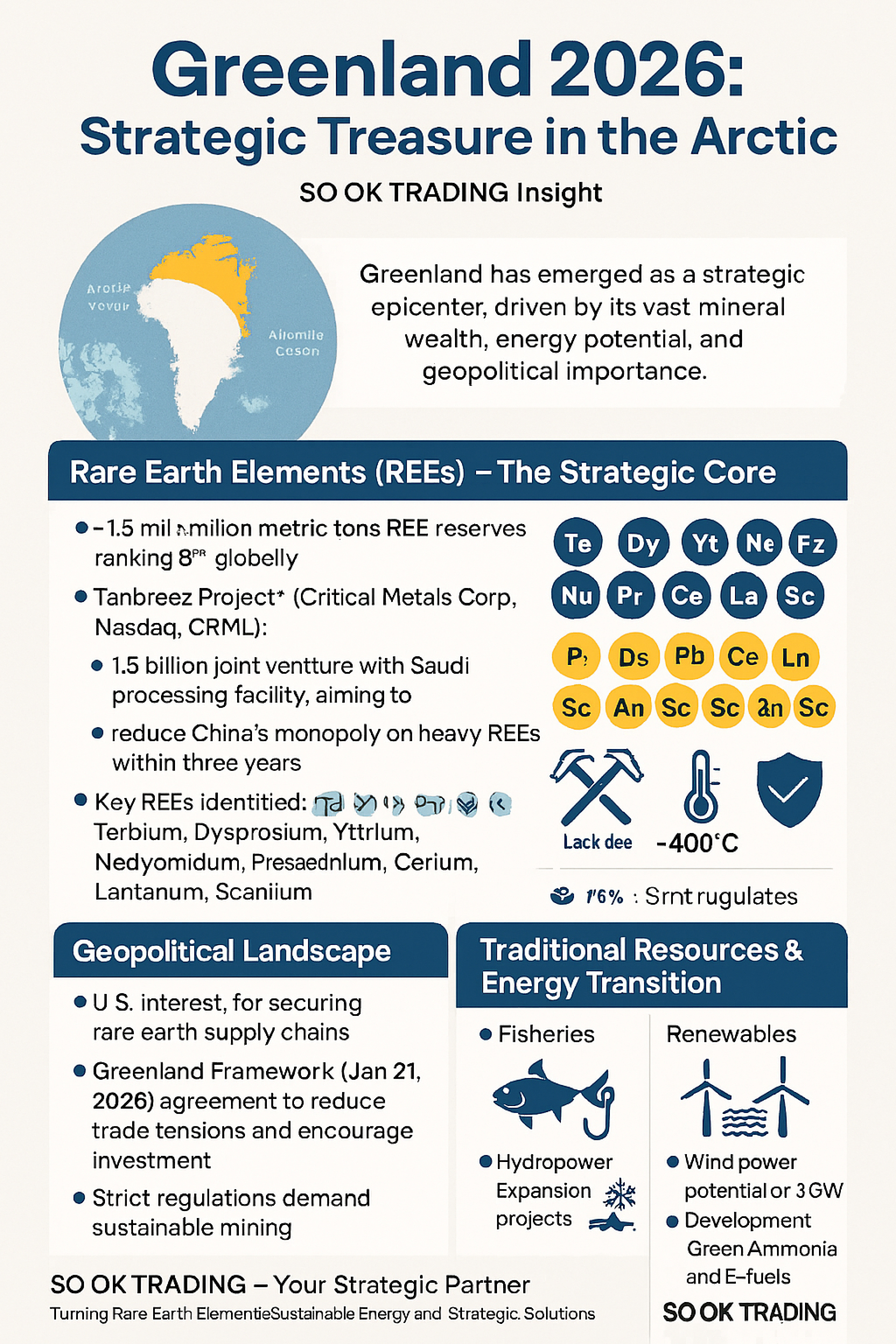
グリーンランド 2026:北極の戦略的宝庫
SO OK TRADING インサイト
グリーンランド – 遠隔の島から世界戦略拠点へ
世界最大の島であるグリーンランドは、2026年に戦略的拠点として台頭しました。膨大な鉱物資源、エネルギーの可能性、そして地政学的な重要性が、クリーンテクノロジーと先端産業のための世界的なサプライチェーンを再構築しています。
主要ハイライト
レアアース(Rare Earth Elements – REEs)
グリーンランドは約 150万トン のレアアース埋蔵量を持ち、世界第8位。
Tanbreez プロジェクト(Critical Metals Corp, Nasdaq: CRML):
2026年1月にパイロットプラント建設開始、5月に稼働予定。
サウジアラビア産業グループとの15億ドル規模の合弁事業により、大規模な加工施設を建設。米国防衛産業やEV産業へ供給。
2027年に本格生産開始予定。中国による重希土類の独占(97%)を3年以内に約50%まで削減する目標。
Kvanefjeld プロジェクト: ウラン採掘禁止法により停滞。Energy Transition Minerals社との法的紛争が進行中。
主要なREEs: テルビウム、ジスプロシウム、イットリウム、ネオジム、プラセオジム、セリウム、ランタン、スカンジウム。
その他の戦略鉱物
グラファイト(電池用)、モリブデン、亜鉛、銅、ニッケル、チタン。
ジルコニウム、ニオブ、タンタル、ガリウム、ハフニウム – 半導体、航空宇宙、原子力産業に不可欠。
鉱業とインフラの課題
現在稼働中の鉱山は 2か所のみ:南部の金鉱山、西部カンゲルルススアークのアノーソサイト鉱山。
厳しい気候(-40°C)、港湾・道路・発電所の不足により、コストは他地域の2~3倍。
環境規制が厳しく、持続可能な採掘が必須。
地政学的状況
米国: レアアース供給網の安全保障に不可欠と認識。
Greenland Framework(2026年1月21日): 貿易摩擦を緩和し、持続可能な投資を促進する新協定。
世界的競争: 中国、米国、EU、中東諸国が資源アクセスを競合。
伝統的資源とエネルギー転換
漁業: 輸出の90%以上を占め、地域経済の基盤。
石油・ガス: 推定埋蔵量は原油175億バレル。環境規制により探査は限定的。
再生可能エネルギー:
水力発電:すでに電力の70%を供給。Buksefjord、Aasiaat、Qasigiannguitで拡張計画進行中。
風力発電:3GWの潜在能力。将来的に欧州・米国へ海底ケーブルで輸出予定。
グリーンアンモニア、E燃料:次世代クリーン燃料として開発中。
「北極の10年」におけるグリーンランド
2026年、グリーンランドは次の役割へ変貌:
クリーンテクノロジー供給網の戦略的パートナー – 中国依存を削減。
北極物流ハブ – 新国際空港3か所(ヌーク、イルリサット、カコルトーク)により輸送コスト削減、エコツーリズム促進。
世界的クリーンエネルギー生産者 – 水力、風力、グリーン水素、グリーンアンモニアを輸出。
地政学的ピボット – 資源利用と持続可能性・主権のバランスを実現。
SO OK TRADING – あなたの戦略的パートナー
グリーンランドが世界資源の中心となる中、SO OK TRADING は以下を提供します:
高品質レアアース供給: ネオジム、ジスプロシウムなど信頼できる供給源から。
統合型クリーンエネルギーソリューション: ソーラー+蓄電ESS、磁気システム、産業用エネルギーインフラ。
ニーズに合わせたカスタマイズ: 住宅、オフィス、工場まで幅広く対応。
国際的信頼性: 世界的ブランドとの提携と国際基準の遵守。
SO OK TRADING – レアアースを持続可能なエネルギーと戦略的ソリューションへ
今すぐご相談いただき、最適なパッケージで未来の産業を共に築きましょう。
Mongkol、この日本語版をさらに プレスリリース用の短縮版 や インフォグラフィック用キャッチコピー に整えることも可能です ✨
SO OK TRADING インサイト
グリーンランド – 遠隔の島から世界戦略拠点へ
世界最大の島であるグリーンランドは、2026年に戦略的拠点として台頭しました。膨大な鉱物資源、エネルギーの可能性、そして地政学的な重要性が、クリーンテクノロジーと先端産業のための世界的なサプライチェーンを再構築しています。
主要ハイライト
レアアース(Rare Earth Elements – REEs)
グリーンランドは約 150万トン のレアアース埋蔵量を持ち、世界第8位。
Tanbreez プロジェクト(Critical Metals Corp, Nasdaq: CRML):
2026年1月にパイロットプラント建設開始、5月に稼働予定。
サウジアラビア産業グループとの15億ドル規模の合弁事業により、大規模な加工施設を建設。米国防衛産業やEV産業へ供給。
2027年に本格生産開始予定。中国による重希土類の独占(97%)を3年以内に約50%まで削減する目標。
Kvanefjeld プロジェクト: ウラン採掘禁止法により停滞。Energy Transition Minerals社との法的紛争が進行中。
主要なREEs: テルビウム、ジスプロシウム、イットリウム、ネオジム、プラセオジム、セリウム、ランタン、スカンジウム。
その他の戦略鉱物
グラファイト(電池用)、モリブデン、亜鉛、銅、ニッケル、チタン。
ジルコニウム、ニオブ、タンタル、ガリウム、ハフニウム – 半導体、航空宇宙、原子力産業に不可欠。
鉱業とインフラの課題
現在稼働中の鉱山は 2か所のみ:南部の金鉱山、西部カンゲルルススアークのアノーソサイト鉱山。
厳しい気候(-40°C)、港湾・道路・発電所の不足により、コストは他地域の2~3倍。
環境規制が厳しく、持続可能な採掘が必須。
地政学的状況
米国: レアアース供給網の安全保障に不可欠と認識。
Greenland Framework(2026年1月21日): 貿易摩擦を緩和し、持続可能な投資を促進する新協定。
世界的競争: 中国、米国、EU、中東諸国が資源アクセスを競合。
伝統的資源とエネルギー転換
漁業: 輸出の90%以上を占め、地域経済の基盤。
石油・ガス: 推定埋蔵量は原油175億バレル。環境規制により探査は限定的。
再生可能エネルギー:
水力発電:すでに電力の70%を供給。Buksefjord、Aasiaat、Qasigiannguitで拡張計画進行中。
風力発電:3GWの潜在能力。将来的に欧州・米国へ海底ケーブルで輸出予定。
グリーンアンモニア、E燃料:次世代クリーン燃料として開発中。
「北極の10年」におけるグリーンランド
2026年、グリーンランドは次の役割へ変貌:
クリーンテクノロジー供給網の戦略的パートナー – 中国依存を削減。
北極物流ハブ – 新国際空港3か所(ヌーク、イルリサット、カコルトーク)により輸送コスト削減、エコツーリズム促進。
世界的クリーンエネルギー生産者 – 水力、風力、グリーン水素、グリーンアンモニアを輸出。
地政学的ピボット – 資源利用と持続可能性・主権のバランスを実現。
SO OK TRADING – あなたの戦略的パートナー
グリーンランドが世界資源の中心となる中、SO OK TRADING は以下を提供します:
高品質レアアース供給: ネオジム、ジスプロシウムなど信頼できる供給源から。
統合型クリーンエネルギーソリューション: ソーラー+蓄電ESS、磁気システム、産業用エネルギーインフラ。
ニーズに合わせたカスタマイズ: 住宅、オフィス、工場まで幅広く対応。
国際的信頼性: 世界的ブランドとの提携と国際基準の遵守。
SO OK TRADING – レアアースを持続可能なエネルギーと戦略的ソリューションへ
今すぐご相談いただき、最適なパッケージで未来の産業を共に築きましょう。
Mongkol、この日本語版をさらに プレスリリース用の短縮版 や インフォグラフィック用キャッチコピー に整えることも可能です ✨


関連コンテンツ
「鉄鋼価格戦争2026:アジアは下落、西側は高騰。タイは買い手として優位に立つ一方、生産者は新たな戦略で生き残りをかける ― 世界市場の二極化とグリーンスチールの可能性を分析」
世界の鉄鋼市場は、今年最も激しい「二極化の戦局」に突入しています。
アジア:供給過剰と中国の需要減退により価格が急落。鉄鉱石は1トンあたり約101〜102ドルまで下落。
西側諸国:米国と欧州は輸入関税を最大50%に引き上げ、さらにエネルギーとコークス炭のコストが16%上昇し、価格は逆に高騰。
タイ市場の現状:
買い手に有利:中国やベトナムからの安価な鋼材流入で小売価格は8%以上下落。
生産者は苦境:電力・輸送コストが50%以上急騰し、利益率が圧迫。反ダンピングやCBAMなどの政策支援が不可欠。
金属包装材(ティンプレート):販売は -1.2%〜-4.5% 減少したものの、原材料コストは9〜10%低下。さらにリサイクル率92%という強みで、ESGやグリーンスチールの潮流に合致。
5 6月 2026
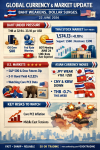
「バーツ安・ドル高急伸:地政学リスクとFRB金利政策が世界市場の均衡を揺るがす」
22 6月 2026