格陵兰2026:资源宝库与地缘政治、经济的重要国家 SO OK TRADING 摘要
最后更新: 22 1月 2026
3651 浏览量
2026年格陵兰:北极的战略宝库
SO OK TRADING 洞察
格陵兰——从偏远岛屿到全球战略枢纽
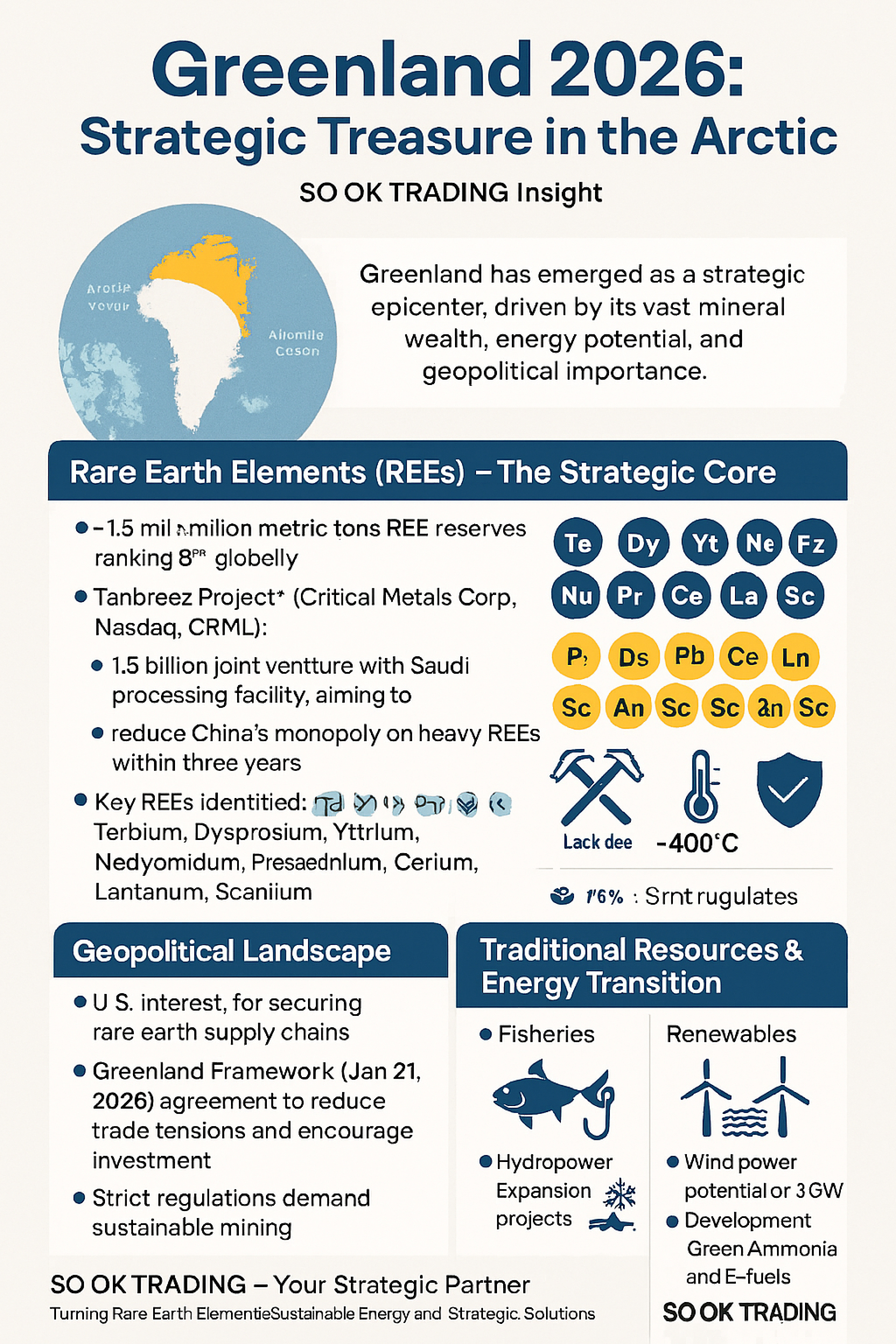
作为世界上最大的岛屿,格陵兰在2026年已崛起为战略中心。其丰富的矿产资源、能源潜力以及地缘政治重要性,正在重塑全球清洁技术与先进产业的供应链。
重点亮点
稀土元素(Rare Earth Elements – REEs)
格陵兰拥有约 150万吨稀土储量,位列全球第8。
Tanbreez项目(Critical Metals Corp, Nasdaq: CRML):
2026年1月启动试点工厂建设,预计5月投产。
与沙特工业集团达成15亿美元合资协议,建立大型加工厂,为美国国防和电动车产业提供稀土。
预计2027年开始量产,目标在三年内将中国对重稀土的垄断从97%降至约50%。
Kvanefjeld项目: 因格陵兰政府禁止铀矿开采而停滞,并与Energy Transition Minerals公司陷入法律纠纷。
主要稀土元素: Tb(铽)、Dy(镝)、Y(钇)、Nd(钕)、Pr(镨)、Ce(铈)、La(镧)、Sc(钪)。
其他战略矿产
石墨(电池负极)、钼、锌、铜、镍、钛。
锆、铌、钽、镓、铪——对半导体、航空航天和核工业至关重要。
矿业与基础设施挑战
目前仅有 两座矿山 在运营:南部金矿、西部Kangerlussuaq峡湾的长石矿。
严寒气候(-40°C)、缺乏深水港、公路和电厂,使成本比其他地区高出2–3倍。
环境法规严格,必须采用可持续的采矿方式。
地缘政治格局
美国: 将格陵兰视为保障稀土供应链安全的关键。
格陵兰框架协议(2026年1月21日): 新合作协议,缓解贸易紧张,促进可持续投资。
全球竞争: 中国、美国、欧盟及中东投资者均争夺资源准入。
传统资源与能源转型
渔业: 仍占出口的90%以上,是当地经济支柱。
石油与天然气: 原油储量估计达175亿桶,但因环保限制,勘探受限。
可再生能源:
水电:已提供70%的电力,Buksefjord、Aasiaat、Qasigiannguit扩建项目正在进行。
风电:潜力达3GW,计划通过海底电缆向欧洲和美国出口。
绿色氨和电子燃料:正在开发,定位为未来清洁燃料出口国。
“北极十年”中的格陵兰
到2026年,格陵兰正转型为:
清洁技术供应链的战略伙伴 —— 减少西方对中国的依赖。
北极物流枢纽 —— 新建三座国际机场(努克、伊卢利萨特、卡科尔托克),降低出口成本,促进生态旅游。
全球清洁能源生产者 —— 出口水电、风电、绿色氢能和绿色氨。
地缘政治支点 —— 在资源开发与可持续性、主权之间取得平衡。
SO OK TRADING —— 您的战略合作伙伴
随着格陵兰成为全球资源中心,SO OK TRADING 准备好为企业提供:
可靠的稀土供应: 钕、镝及其他战略矿产,来源可信。
综合清洁能源解决方案: 太阳能+储能ESS、磁体系统、工业能源基础设施。
定制化方案: 覆盖住宅、商业与工业需求。
全球信誉: 与领先品牌合作,遵循国际标准。
SO OK TRADING —— 将稀土元素转化为可持续能源与战略解决方案
欢迎联系我们,获取最适合您企业与产业的专属方案。
Mongkol,要不要我再帮你做一个 简短的新闻稿/社交媒体版中文介绍,方便在 LinkedIn 或微信上直接发布呢? ✨
SO OK TRADING 洞察
格陵兰——从偏远岛屿到全球战略枢纽
作为世界上最大的岛屿,格陵兰在2026年已崛起为战略中心。其丰富的矿产资源、能源潜力以及地缘政治重要性,正在重塑全球清洁技术与先进产业的供应链。
重点亮点
稀土元素(Rare Earth Elements – REEs)
格陵兰拥有约 150万吨稀土储量,位列全球第8。
Tanbreez项目(Critical Metals Corp, Nasdaq: CRML):
2026年1月启动试点工厂建设,预计5月投产。
与沙特工业集团达成15亿美元合资协议,建立大型加工厂,为美国国防和电动车产业提供稀土。
预计2027年开始量产,目标在三年内将中国对重稀土的垄断从97%降至约50%。
Kvanefjeld项目: 因格陵兰政府禁止铀矿开采而停滞,并与Energy Transition Minerals公司陷入法律纠纷。
主要稀土元素: Tb(铽)、Dy(镝)、Y(钇)、Nd(钕)、Pr(镨)、Ce(铈)、La(镧)、Sc(钪)。
其他战略矿产
石墨(电池负极)、钼、锌、铜、镍、钛。
锆、铌、钽、镓、铪——对半导体、航空航天和核工业至关重要。
矿业与基础设施挑战
目前仅有 两座矿山 在运营:南部金矿、西部Kangerlussuaq峡湾的长石矿。
严寒气候(-40°C)、缺乏深水港、公路和电厂,使成本比其他地区高出2–3倍。
环境法规严格,必须采用可持续的采矿方式。
地缘政治格局
美国: 将格陵兰视为保障稀土供应链安全的关键。
格陵兰框架协议(2026年1月21日): 新合作协议,缓解贸易紧张,促进可持续投资。
全球竞争: 中国、美国、欧盟及中东投资者均争夺资源准入。
传统资源与能源转型
渔业: 仍占出口的90%以上,是当地经济支柱。
石油与天然气: 原油储量估计达175亿桶,但因环保限制,勘探受限。
可再生能源:
水电:已提供70%的电力,Buksefjord、Aasiaat、Qasigiannguit扩建项目正在进行。
风电:潜力达3GW,计划通过海底电缆向欧洲和美国出口。
绿色氨和电子燃料:正在开发,定位为未来清洁燃料出口国。
“北极十年”中的格陵兰
到2026年,格陵兰正转型为:
清洁技术供应链的战略伙伴 —— 减少西方对中国的依赖。
北极物流枢纽 —— 新建三座国际机场(努克、伊卢利萨特、卡科尔托克),降低出口成本,促进生态旅游。
全球清洁能源生产者 —— 出口水电、风电、绿色氢能和绿色氨。
地缘政治支点 —— 在资源开发与可持续性、主权之间取得平衡。
SO OK TRADING —— 您的战略合作伙伴
随着格陵兰成为全球资源中心,SO OK TRADING 准备好为企业提供:
可靠的稀土供应: 钕、镝及其他战略矿产,来源可信。
综合清洁能源解决方案: 太阳能+储能ESS、磁体系统、工业能源基础设施。
定制化方案: 覆盖住宅、商业与工业需求。
全球信誉: 与领先品牌合作,遵循国际标准。
SO OK TRADING —— 将稀土元素转化为可持续能源与战略解决方案
欢迎联系我们,获取最适合您企业与产业的专属方案。
Mongkol,要不要我再帮你做一个 简短的新闻稿/社交媒体版中文介绍,方便在 LinkedIn 或微信上直接发布呢? ✨


相关文章
「铝合金3104:全球包装产业未来的战略材料」
SO OK TRADING 铝材知识 | 2026年8月8日
在“可持续发展”成为所有产业核心的今天,
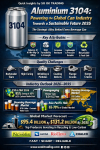
铝合金3104正在推动全球饮料罐包装产业的重大变革。
它兼具轻量、强度高、食品安全、并且可100%回收。
这不仅仅是一种普通金属,而是新时代饮料罐的“核心”,满足ESG与净零目标。
SO OK TRADING 汇集了以下深度信息:
8 8月 2026
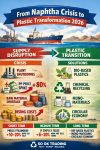
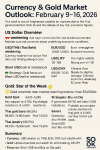
本帖总结了 2026 年 2 月 9 日至 16 日期间的外汇与黄金市场走势。由于泰国大选(2 月 8 日)的结果以及美国重要经济数据的公布,全球市场高度关注,这些因素将直接影响美元汇率和黄金价格。文中还提供了投资者必须了解的策略,并推荐 SO OK TRADING 作为您值得信赖的全球品牌合作伙伴。
8 2月 2026
