「Silicon 2026 – 关键玩家,关键价格:认识金属硅与全球市场机制 —— SO OK Trading」
最后更新: 14 1月 2026
3921 浏览量

金属硅(Metallic Silicon):推动全球产业的重要原材料
主要原料
二氧化硅 (SiO₂): 在自然界广泛存在,尤其是沙子和石英。
石英 (Quartz): 高纯度(98–99%),是主要生产来源。
石英岩 (Quartzite): 高含硅的变质岩,是另一种原料来源。
生产工艺(简述)
原料准备: 将石英破碎并筛选,达到所需纯度。
冶炼: 在电弧炉中以 1,400–2,000°C 高温,将二氧化硅/石英与还原剂(如焦炭)一起加热。
得到金属硅: 纯度约 98–99%,可用于各类工业。
主要生产国
中国: 660万吨/年(占全球80%)
俄罗斯: 62万吨/年(7.5%)
巴西: 39万吨/年(4%)
挪威: 34万吨/年(3%)
冰岛: 13万吨/年(1%)
其他国家: 总和不超过5%,如哈萨克斯坦、法国、马来西亚、印度、德国、加拿大等。
分析:
中国: 以丰富资源和强劲的国内需求主导全球市场。
俄罗斯–巴西: 在出口方面发挥重要作用。
挪威–冰岛: 依靠低成本水电,在欧洲市场具有优势。
金属硅的重要性
铝工业: 改善合金性能。
化工行业: 用于生产硅酮和硅烷。
电子与太阳能电池: 用于超高纯度硅的制造。
硅市场(2026年1月)
热门牌号:
3303: Fe ~3%,Al ~3% → 高纯度
553: Fe ~5%,Al ~5% → 成本较低,广泛用于铝工业
中国FOB价格:
421 → 1,500美元/吨
2202 → 2,100美元/吨
3303 → 1,550美元/吨
441 → 1,400美元/吨
553 → 1,350美元/吨
市场概况:
需求: 随着汽车和建筑业对铝的使用增加而上升。
供应: 产量稳定,能源成本波动不大。
价格趋势: 总体稳定,但受全球经济和中国政策影响。
高端牌号 (2202): 因严格要求而价格较高。
低成本牌号 (553, 441): 在注重性价比的应用中仍有需求。
中国与出口管制
2021年: 因减少煤炭使用(筹备冬奥会),价格暴涨300%以上。
2023年: 禁止出口镓和锗。
2024–2025年: 收紧稀土和关键原材料出口。
2025年底: 停止Nexperia工厂的芯片出口。
➡ 虽然中国从未直接禁止硅出口,但其能源与原材料政策已对全球供应链和硅价格产生重大影响。
SO OK TRADING:值得信赖的交易伙伴
专业领域: 专注于硅和贵金属交易,符合国际标准,透明可靠。
全方位服务: 从买卖到投资咨询。
专业团队: 密切跟踪全球市场动态。
使命: 与客户共同推动绿色经济与清洁能源。
✨ 总结
2026年,硅市场依然是全球产业的核心。希望在硅和贵金属贸易与投资中获得信心的投资者和企业,可以依靠 SO OK TRADING 把握机遇,实现可持续发展。
主要原料
二氧化硅 (SiO₂): 在自然界广泛存在,尤其是沙子和石英。
石英 (Quartz): 高纯度(98–99%),是主要生产来源。
石英岩 (Quartzite): 高含硅的变质岩,是另一种原料来源。
生产工艺(简述)
原料准备: 将石英破碎并筛选,达到所需纯度。
冶炼: 在电弧炉中以 1,400–2,000°C 高温,将二氧化硅/石英与还原剂(如焦炭)一起加热。
得到金属硅: 纯度约 98–99%,可用于各类工业。
主要生产国
中国: 660万吨/年(占全球80%)
俄罗斯: 62万吨/年(7.5%)
巴西: 39万吨/年(4%)
挪威: 34万吨/年(3%)
冰岛: 13万吨/年(1%)
其他国家: 总和不超过5%,如哈萨克斯坦、法国、马来西亚、印度、德国、加拿大等。
分析:
中国: 以丰富资源和强劲的国内需求主导全球市场。
俄罗斯–巴西: 在出口方面发挥重要作用。
挪威–冰岛: 依靠低成本水电,在欧洲市场具有优势。
金属硅的重要性
铝工业: 改善合金性能。
化工行业: 用于生产硅酮和硅烷。
电子与太阳能电池: 用于超高纯度硅的制造。
硅市场(2026年1月)
热门牌号:
3303: Fe ~3%,Al ~3% → 高纯度
553: Fe ~5%,Al ~5% → 成本较低,广泛用于铝工业
中国FOB价格:
421 → 1,500美元/吨
2202 → 2,100美元/吨
3303 → 1,550美元/吨
441 → 1,400美元/吨
553 → 1,350美元/吨
市场概况:
需求: 随着汽车和建筑业对铝的使用增加而上升。
供应: 产量稳定,能源成本波动不大。
价格趋势: 总体稳定,但受全球经济和中国政策影响。
高端牌号 (2202): 因严格要求而价格较高。
低成本牌号 (553, 441): 在注重性价比的应用中仍有需求。
中国与出口管制
2021年: 因减少煤炭使用(筹备冬奥会),价格暴涨300%以上。
2023年: 禁止出口镓和锗。
2024–2025年: 收紧稀土和关键原材料出口。
2025年底: 停止Nexperia工厂的芯片出口。
➡ 虽然中国从未直接禁止硅出口,但其能源与原材料政策已对全球供应链和硅价格产生重大影响。
SO OK TRADING:值得信赖的交易伙伴
专业领域: 专注于硅和贵金属交易,符合国际标准,透明可靠。
全方位服务: 从买卖到投资咨询。
专业团队: 密切跟踪全球市场动态。
使命: 与客户共同推动绿色经济与清洁能源。
✨ 总结
2026年,硅市场依然是全球产业的核心。希望在硅和贵金属贸易与投资中获得信心的投资者和企业,可以依靠 SO OK TRADING 把握机遇,实现可持续发展。


相关文章
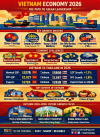
越南经济2026年 – 跃升为东盟领导者
SO OK TRADING 撰文|2026年8月21日
越南正在成为全球瞩目的“东盟新星”。凭借区域内最突出的经济增长率、创纪录的外国直接投资(FDI)流入,以及出口的迅猛扩张,越南已超越东南亚多个国家。本篇文章将深入解析 主要增长动力、结构性挑战,以及由越南向科技与清洁能源经济转型所带来的新商机。
对于泰国的投资者和企业而言,这是一个关键时刻,可以重新制定战略,并在“Thailand + Vietnam”模式下探索新的合作路径,从而在全球增长最快的地区创造经济机遇。
✨ 阅读完整分析请见本文 —
SO OK TRADING : FAST • SHARP • RELIABLE
21 8月 2026
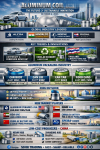
铝卷2026:迈向可持续与创新新时代
SO OK TRADING | 2026年10月4日
在2026年,铝卷产业(Aluminum Coil) 正迎来全球性的重大转折。随着技术革新、循环再生以及可持续发展的推进,全球主要制造商纷纷加快布局,以满足在电动汽车(EV)、现代建筑以及环保包装领域日益增长的需求。
从 Alcoa、Hindalco、Norsk Hydro、Rusal 等国际巨头,到 Aluminum Dynamics、EGA、Speira 以及中国的新兴制造商——各家公司都在通过 人工智能(AI)、自动化系统以及再生铝材的利用,打造轻量、坚固并且低碳排放的新型材料。
泰国依然是东盟地区的重要生产基地,闭环回收(Closed-Loop Recycling) 项目能够在短短60天内将废旧铝罐再生为新罐,节省高达95%的能源。
铝包装产业已成为新时代增长的核心,从饮料罐到食品包装,广泛采用 3004、3104、5182、5052 等特殊合金,既保证了强度,又确保了使用安全。
在全球迈向可持续发展的进程中,SO OK TRADING 始终坚守作为值得信赖的商业伙伴,持续为客户提供高质量的解决方案与深度洞察。
SO OK TRADING — FAST • SHARP • RELIABLE
4 10月 2026
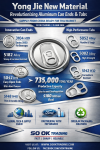
永杰新材料 – 全球铝包装游戏规则的颠覆者:从易拉罐到瓶盖与拉环
来自中国的新供应,正式进入泰国市场 | SO OK TRADING | 2026年6月25日
铝合金5000系列正在迅速崛起,成为未来包装材料的明星。
—— 强度高、重量轻、耐腐蚀、易成型。
在完成18亿美元规模的Arconic China重大并购后,
永杰新材料已准备将高端规格 H19 / H48 推向泰国市场。
推动易拉罐、瓶盖、拉环产业迈向全球标准。
SO OK TRADING – FAST | SHARP | RELIABLE
25 6月 2026
