「Aluminum Series 5000: 未来のプレミアム金属 ― グリーン産業と持続可能なパッケージングのために」 (SO OK TRADING による記事)
最終更新: 5 3月 2026
2809 閲覧数
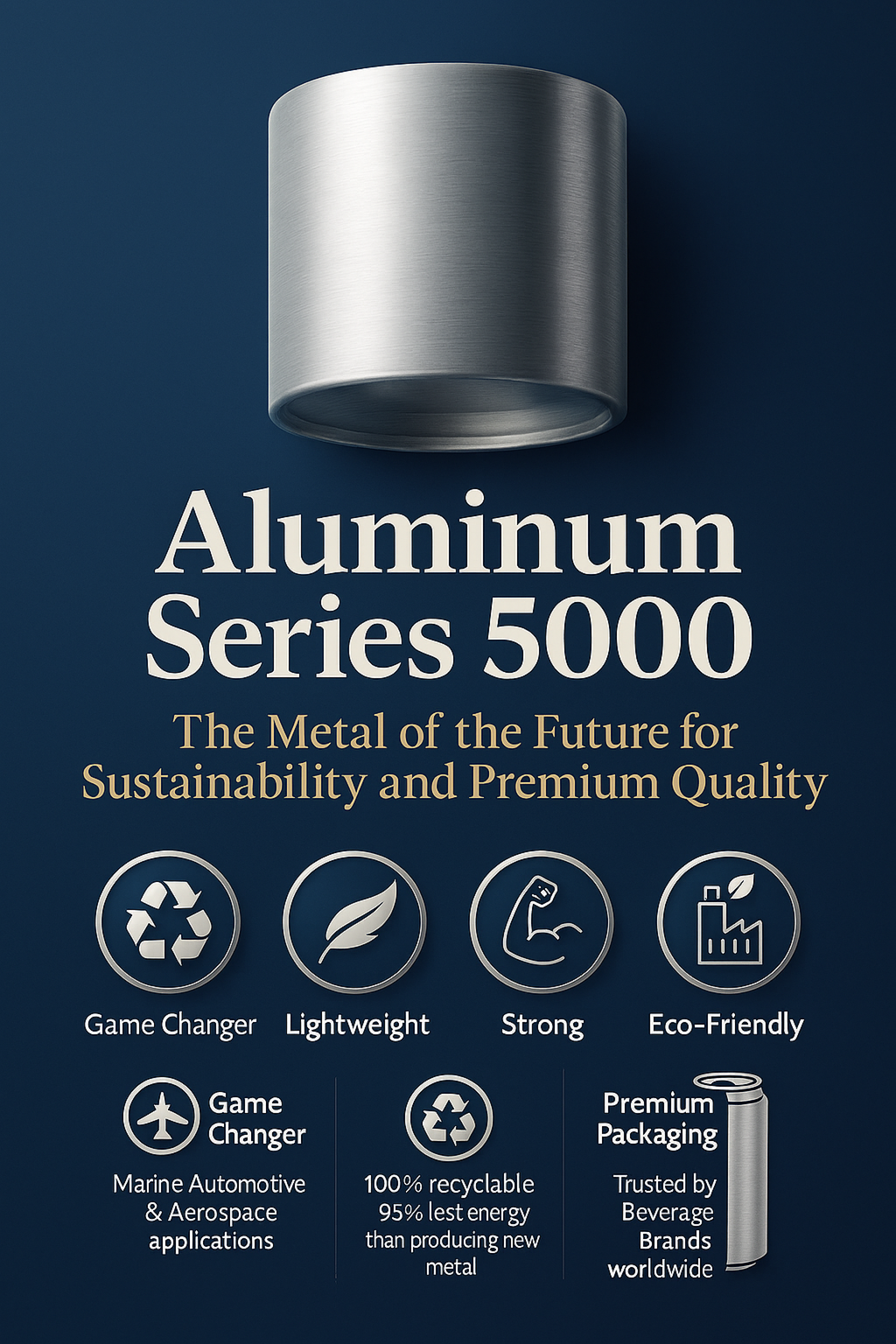
「Aluminum Series 5000: 未来の金属 ― 持続可能でプレミアムなブランドのために」
強さ・軽さ・無限リサイクル —— CBAMやカーボンクレジットにも対応
世界が Net Zero とサーキュラーエコノミーへ向かう時代において、
Series 5000 は単なる金属ではなく、生産者と消費者双方のニーズに応える「ビジネス戦略」です。
EV、航空宇宙、建設から飲料パッケージまで、
世界のトップブランドが選ぶ理由は、環境に優しく差別化されたブランドイメージを創り出せるからです。
✈️ Marine & Aerospace: グレード5083は海水耐性に優れ、船舶や軽量航空部品に使用
⚡ Automotive & EV: グレード5052・5182は軽量化と走行距離拡大に貢献
Construction: 高温多湿環境でも耐久性があり、メンテナンス不要の外装材に最適
Beverage Packaging – 世界ブランドが信頼する強み
5182: 缶エンドやプルタブの世界標準、強度と成形性に優れる
5042: 炭酸飲料やビール缶の高圧対応エンドに使用
特徴: 酸やアルカリに耐性、無限リサイクル可能、食品グレード認証済み
♻️ Circular Economy – PETを超えるアルミの強み
100%リサイクル可能、新規生産より95%少ないエネルギー消費
タイのメーカーは2030年までにリサイクル含有率ほぼ100%を目標
缶入り水や缶ワインなど新しいトレンドが拡大中
⚙️ Down-gauging & Innovation
5182・5042を薄くしても強度を維持、重量を5〜10%削減
開封後も缶に付着する「テザードキャップ」技術で廃棄物削減
PETとの比較 – 長期的にはアルミが勝つ
PET: 生産コストは安いが、リサイクルで品質低下(ダウンサイクル)
アルミ: 無限リサイクル可能、物流効率が高く、プレミアムで環境に優しいブランドイメージ
市場動向 (2025–2030)
タイのアルミ市場規模は2025年に939億ドル、2030年には1545億ドルへ拡大予測
缶パッケージ市場は178億ドル規模、CAGR 4.11%
EEC地域(チョンブリー・ラヨーン・チャチュンサオ)が生産拠点の中心
✨ 結論:
Aluminum Series 5000 は「未来の素材」であり、工学的な課題を解決するだけでなく、ブランドに差別化と持続可能性をもたらすマーケティングツールです。
SO OK TRADING: あなたのビジネスパートナー
www.sooktrading.com | sooktrading@outlook.com
強さ・軽さ・無限リサイクル —— CBAMやカーボンクレジットにも対応
世界が Net Zero とサーキュラーエコノミーへ向かう時代において、
Series 5000 は単なる金属ではなく、生産者と消費者双方のニーズに応える「ビジネス戦略」です。
EV、航空宇宙、建設から飲料パッケージまで、
世界のトップブランドが選ぶ理由は、環境に優しく差別化されたブランドイメージを創り出せるからです。
✈️ Marine & Aerospace: グレード5083は海水耐性に優れ、船舶や軽量航空部品に使用
⚡ Automotive & EV: グレード5052・5182は軽量化と走行距離拡大に貢献
Construction: 高温多湿環境でも耐久性があり、メンテナンス不要の外装材に最適
Beverage Packaging – 世界ブランドが信頼する強み
5182: 缶エンドやプルタブの世界標準、強度と成形性に優れる
5042: 炭酸飲料やビール缶の高圧対応エンドに使用
特徴: 酸やアルカリに耐性、無限リサイクル可能、食品グレード認証済み
♻️ Circular Economy – PETを超えるアルミの強み
100%リサイクル可能、新規生産より95%少ないエネルギー消費
タイのメーカーは2030年までにリサイクル含有率ほぼ100%を目標
缶入り水や缶ワインなど新しいトレンドが拡大中
⚙️ Down-gauging & Innovation
5182・5042を薄くしても強度を維持、重量を5〜10%削減
開封後も缶に付着する「テザードキャップ」技術で廃棄物削減
PETとの比較 – 長期的にはアルミが勝つ
PET: 生産コストは安いが、リサイクルで品質低下(ダウンサイクル)
アルミ: 無限リサイクル可能、物流効率が高く、プレミアムで環境に優しいブランドイメージ
市場動向 (2025–2030)
タイのアルミ市場規模は2025年に939億ドル、2030年には1545億ドルへ拡大予測
缶パッケージ市場は178億ドル規模、CAGR 4.11%
EEC地域(チョンブリー・ラヨーン・チャチュンサオ)が生産拠点の中心
✨ 結論:
Aluminum Series 5000 は「未来の素材」であり、工学的な課題を解決するだけでなく、ブランドに差別化と持続可能性をもたらすマーケティングツールです。
SO OK TRADING: あなたのビジネスパートナー
www.sooktrading.com | sooktrading@outlook.com


関連コンテンツ
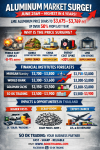
アルミニウム価格が急騰!2026年6月 – 過去4年間で最も熱い市場
SO OK TRADING | 2026年6月1日
2026年6月、世界のアルミニウム市場はかつてないほどの 「急騰と供給逼迫」 に直面しています。
ロンドン金属取引所(LME)のアルミニウム先物価格は 1トンあたり 3,675~3,769ドル に達し、2022年以来の最高水準を記録。前年同期比で 50%以上の上昇 となりました。
この歴史的な供給ショックを引き起こしている要因は以下の通りです:
中東紛争:UAEのEGA、バーレーンのALBA大規模製錬所が攻撃を受け、世界供給が8~9%減少
ギニアの輸出制限:世界有数のボーキサイト供給国が輸出規制を開始
中国の生産上限:年間4,550万トンの上限に達し、増産が不可能
エネルギーコスト高騰:原油・天然ガス価格が30%上昇し、製錬コストが急増
LME在庫危機:世界需要をわずか1.5日分しか支えられない低水準
主要金融機関はアルミ価格が高止まりすると予測しています:
モルガン・スタンレー:3,700~3,800ドル(長期化すれば4,000ドル突破の可能性)
世界銀行:3,300~3,600ドル(AI・データセンター需要を反映)
ゴールドマン・サックス:3,150~3,500ドル(市場は供給不足へ)
SO OK TRADING:3,500~3,900ドル
タイ国内では、EV・太陽光・包装業界がコスト上昇に直面する一方、スクラップ価格の上昇や米欧市場への輸出機会が新たなチャンスを生み出しています。
✨ 2026年6月は、アルミニウム市場の転換点。価格高騰、供給不足、そしてタイ輸出企業にとっての戦略的チャンスが交錯する月です。
SO OK TRADING
あなたのビジネスパートナー — FAST • SHARP • RELIABLE
1 6月 2026

アルミニウム高騰!価格3,800ドル/トン突破 世界市場を揺るがし、タイにも衝撃
戦争・ボーキサイト・EV・関税が押し上げ、過去4年間で最高水準!
タイ企業に大きな圧力 ― コスト急騰・パッケージング業界の苦境・スクラップ市場の急成長
対策戦略:ヘッジ取引 • スクラッププレミアム • 日本MJP注視
SO OK TRADING
FAST • SHARP • RELIABLE
3 6月 2026

Aluminium is the most abundant metal in the earth’s crust. Approximately 75% of aluminium ever produced is still in use today as it can be recycled endlessly without compromising any of its unique properties or quality.
Aluminium’s lifecycle provides significant benefits through recycling, saving 95% of the energy it would take to make new aluminium metal.
More information on recycling may be found here.
Recycling aluminium has five steps:
Step 1: Collecting Scrap
There are two categories of aluminium scrap:
New Scrap
New Scrap is surplus material that arises during the manufacture and fabrication of aluminium products, up to the point where they are sold to the final consumer. For example, off cuts of aluminium sheet or extrusions are considered new scrap. Sometimes, this new scrap can be safely recycled by aluminium smelters as its composition is known.
Old Scrap
Old Scrap is material that has been used by the consumer and subsequently discarded. For example, used beverage cans, window frames, electrical cabling and car cylinder heads are all considered old scrap. Aluminium smelters are unable to safely accept this old scrap as its composition is usually unknown and it can be contaminated.
Scrap aluminium is also collected from the community – from households, scrap merchants, local and regional authorities, etc.
Step 2: Sorting Scrap
The scrap is then sorted – grouping all coated (painted or lacquered) aluminium together, and grouping all uncoated aluminium together.
Paper, plastic and other non-aluminium recycling needs to be removed.
Step 3: Crushing
The sorted aluminium is then crushed into bales – by compacting the aluminium scrap, it reduces freight, storage and handling costs
Step 4: Remelting
Uncoated scrap is loaded directly into a large furnace called a remelter, where it is heated at high temperatures and turned into molten form.
If the scrap aluminium is coated, it is processed through a gas fired rotary furnace to remove any coating and then transferred to the remelter.
Step 5: Casting
The molten aluminium is cast at a temperature of just over 700°C to form ingots
13 11月 2025
