アルミ缶2026:グリーンビジネスの新しい象徴 ― 持続可能性が成長を導
最終更新: 20 2月 2026
3390 閲覧数
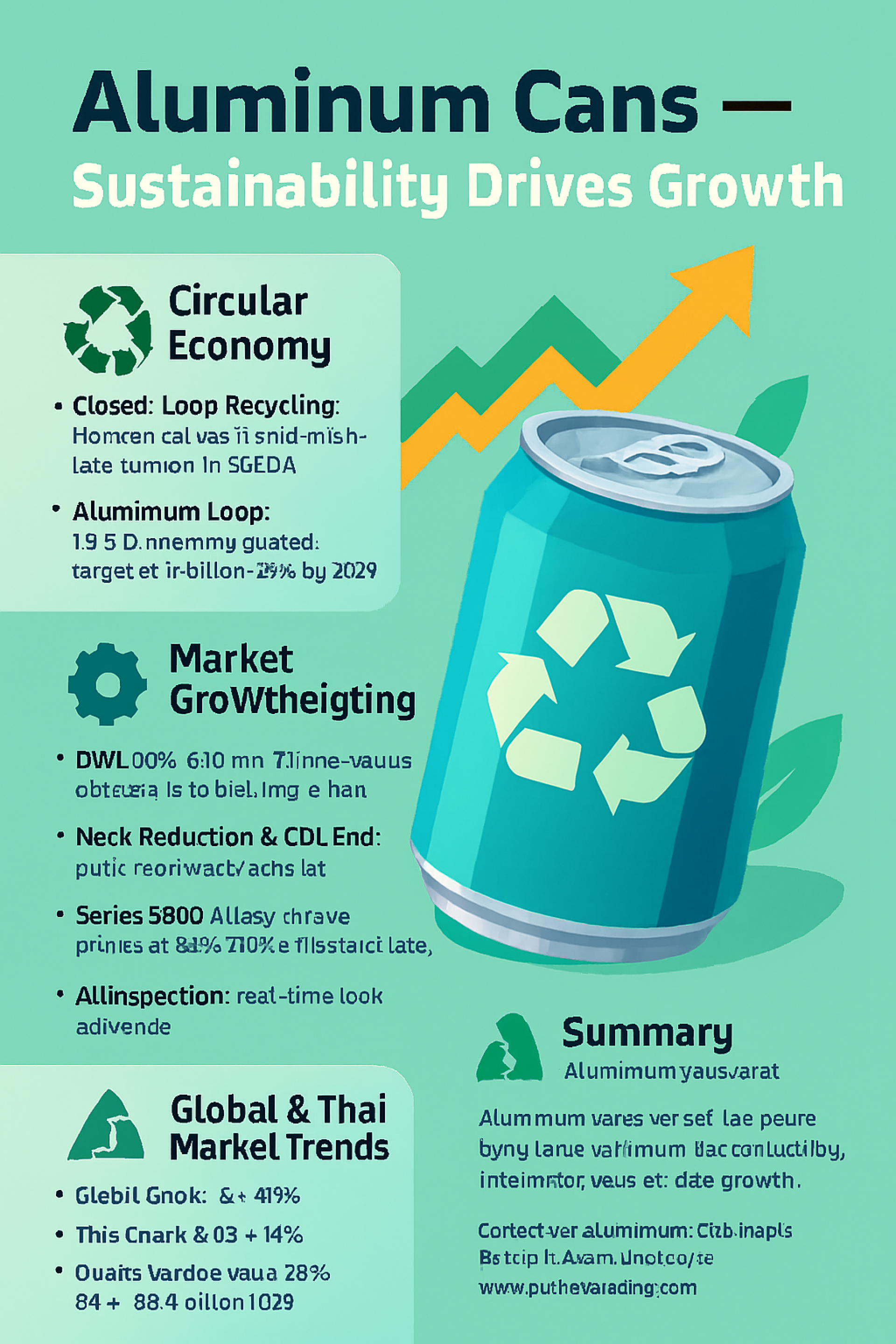
タイにおけるアルミ缶利用の動向(2025–2026年)
「持続可能性が成長を導く」時代へ本格的に突入
サーキュラーエコノミーへの転換
タイは ASEAN 地域において、完全なクローズドループ・リサイクルシステムを構築した先進国です。製缶工場とリサイクル工場が半径200km以内に集積しており、使用済み缶はわずか60日で新しい缶へと生まれ変わります。
「Aluminium Loop」プロジェクトは、これまでに13億本以上の缶をリサイクルに導入し、今後10年で50億本への拡大を目指しています。これにより、タイは2032年までに地域のリサイクルハブへと成長する見込みです。
市場成長とプラスチック代替
アルミ缶需要は拡大を続けており、特に即飲飲料、クラフトビール、レトルト食品分野で顕著です。多くの事業者が ESG 方針や現代的なブランドイメージに合わせ、プラスチックからアルミへと切り替えています。
2025年の金属包装産業の売上は約180億バーツと予測され、前年比7.5%成長。そのうちアルミが74.22%(約145億バーツ)を占め、さらに缶が58.48%(約80億バーツ)と最大のシェアを持ちます。
軽量化技術(Lightweighting)
製缶技術はコスト削減と環境負荷低減の両立を目指し進化しています。
DWI(Drawn & Wall Ironed):壁厚を0.07–0.10mmまで薄くし、アルミ使用量を30–40%削減
Neck Reduction & CDL End:缶口と蓋を小型化し材料を節約
Aluminium Series 5000:蓋やタブに使用し、強度と耐圧性を確保
AI検査:微細な漏れをリアルタイムで検出し安全性を最大化
世界とタイの市場展望(2025–2035年)
世界市場は年平均成長率(CAGR)3.2–6.4%で推移し、2035年には8,450–9,920億ドル規模に達すると予測されています。タイ市場も年平均4.12–4.18%の成長が見込まれ、ASEAN唯一のクローズドループ・リサイクル拠点を目指しています。
中国からの輸入品による課題
タイは高い潜在力を持つ一方、中国からの完成品流入による競争に直面しています。2025年には中国からのアルミ輸入額が約19億ドルに達し、主な品目はアルミ板、箔、構造材です。国内産業保護のため、関税政策や TH-CBAM が重要な役割を果たします。
まとめ
タイは「アルミ缶」を単なる包装材ではなく、持続可能性・イノベーション・循環型成長の象徴として位置づけています。生産者から消費者までを結ぶ新しい時代の中心に、アルミ缶が存在するのです。
もし ALUMINUM COIL(包装用アルミ材)、ALUMINUM INGOT、ALUMINUM REMELT などの製品をご要望の場合は、ぜひ SO OK TRADING のウェブサイト www.sooktrading.com の「Give INQUIRY」欄、または sooktrading@outlook.com までご連絡ください。
「持続可能性が成長を導く」時代へ本格的に突入
サーキュラーエコノミーへの転換
タイは ASEAN 地域において、完全なクローズドループ・リサイクルシステムを構築した先進国です。製缶工場とリサイクル工場が半径200km以内に集積しており、使用済み缶はわずか60日で新しい缶へと生まれ変わります。
「Aluminium Loop」プロジェクトは、これまでに13億本以上の缶をリサイクルに導入し、今後10年で50億本への拡大を目指しています。これにより、タイは2032年までに地域のリサイクルハブへと成長する見込みです。
市場成長とプラスチック代替
アルミ缶需要は拡大を続けており、特に即飲飲料、クラフトビール、レトルト食品分野で顕著です。多くの事業者が ESG 方針や現代的なブランドイメージに合わせ、プラスチックからアルミへと切り替えています。
2025年の金属包装産業の売上は約180億バーツと予測され、前年比7.5%成長。そのうちアルミが74.22%(約145億バーツ)を占め、さらに缶が58.48%(約80億バーツ)と最大のシェアを持ちます。
軽量化技術(Lightweighting)
製缶技術はコスト削減と環境負荷低減の両立を目指し進化しています。
DWI(Drawn & Wall Ironed):壁厚を0.07–0.10mmまで薄くし、アルミ使用量を30–40%削減
Neck Reduction & CDL End:缶口と蓋を小型化し材料を節約
Aluminium Series 5000:蓋やタブに使用し、強度と耐圧性を確保
AI検査:微細な漏れをリアルタイムで検出し安全性を最大化
世界とタイの市場展望(2025–2035年)
世界市場は年平均成長率(CAGR)3.2–6.4%で推移し、2035年には8,450–9,920億ドル規模に達すると予測されています。タイ市場も年平均4.12–4.18%の成長が見込まれ、ASEAN唯一のクローズドループ・リサイクル拠点を目指しています。
中国からの輸入品による課題
タイは高い潜在力を持つ一方、中国からの完成品流入による競争に直面しています。2025年には中国からのアルミ輸入額が約19億ドルに達し、主な品目はアルミ板、箔、構造材です。国内産業保護のため、関税政策や TH-CBAM が重要な役割を果たします。
まとめ
タイは「アルミ缶」を単なる包装材ではなく、持続可能性・イノベーション・循環型成長の象徴として位置づけています。生産者から消費者までを結ぶ新しい時代の中心に、アルミ缶が存在するのです。
もし ALUMINUM COIL(包装用アルミ材)、ALUMINUM INGOT、ALUMINUM REMELT などの製品をご要望の場合は、ぜひ SO OK TRADING のウェブサイト www.sooktrading.com の「Give INQUIRY」欄、または sooktrading@outlook.com までご連絡ください。


関連コンテンツ
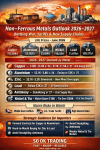
非鉄金属アウトルック 2026–2027:戦争と新供給の危機を突破せよ
世界の非鉄金属市場は、ここ数十年で最も激しい変動期に突入しています。
LME(ロンドン金属取引所)の価格は、中東戦争・米国の関税政策・投機資金という3つの要因によって日々大きく揺れ動いています。
企業や投資家は、この不確実性に対応するため慎重な戦略が求められています。
30 6月 2026
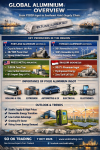
アジア主要生産者の役割と世界アルミニウム市場の展望
原材料 P1020 からタイおよびアジア地域のサプライチェーンへ
SO OK TRADING : 2026年10月7日
世界経済がクリーンエネルギーと持続可能性によって牽引される現代において、「アルミニウム」は戦略的金属として、包装、自動車、エネルギー、電子産業などあらゆる分野で重要な役割を果たしています。特に P1020 アルミニウムインゴット(純度99.7%) は、サプライチェーン全体の品質を決定づける基礎原料として位置づけられています。
本稿では、以下の地域の主要生産者の最新動向を詳しく分析します:
Portland Aluminium と Tomago Aluminium(オーストラリア) — 世界的な生産拠点であり、再生可能エネルギーへの移行を進める
Press Metal(マレーシア) — ASEANで最も急成長する低炭素アルミニウム生産の中心地
INALUM(インドネシア) — 水力発電を活用し、タイとサプライチェーンを結ぶプレミアムインゴットの生産者
さらに、世界アルミニウム産業の アウトルックと将来の方向性 を分析し、「供給の安定性 + 環境持続性」という新時代への移行が、タイの事業者にとって世界市場で競争優位を築く大きなチャンスとなることを示します。
SO OK TRADING : FAST | SHARP | RELIABLE
タイから世界へ、ノンフェラス事業のスペシャリスト
7 10月 2026
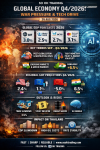
「世界経済 Q4/2026 – 戦争とテクノロジーが逆風と追い風となる時代」
SO OK TRADING | 2026年8月29日
世界経済は2026年後半に入り、より複雑で脆弱な局面を迎えています。地政学的な戦争の圧力、変動するエネルギー価格、そして依然として引き締められた金融政策が大きな逆風となる一方で、AI・データセンター・クリーンエネルギーへの投資は、世界経済が不況に陥ることを防ぐ重要な追い風となっています。
このように、世界は 「不均衡な成長(Uneven Growth)」 の時代に突入しており、リスクとチャンスが交錯する状況です。
SO OK TRADING の本分析では、2026年9月から第4四半期にかけての世界経済の展望、主要機関によるGDP予測、注目すべきトレンド、そしてタイ経済への影響を詳しく解説し、「不均衡な世界成長」 に対応するための戦略的投資指針を提示します。
29 8月 2026
