泰国铝包装:迈向全球可持续发展的转折点
Last updated: 27 Jan 2026
1740 Views
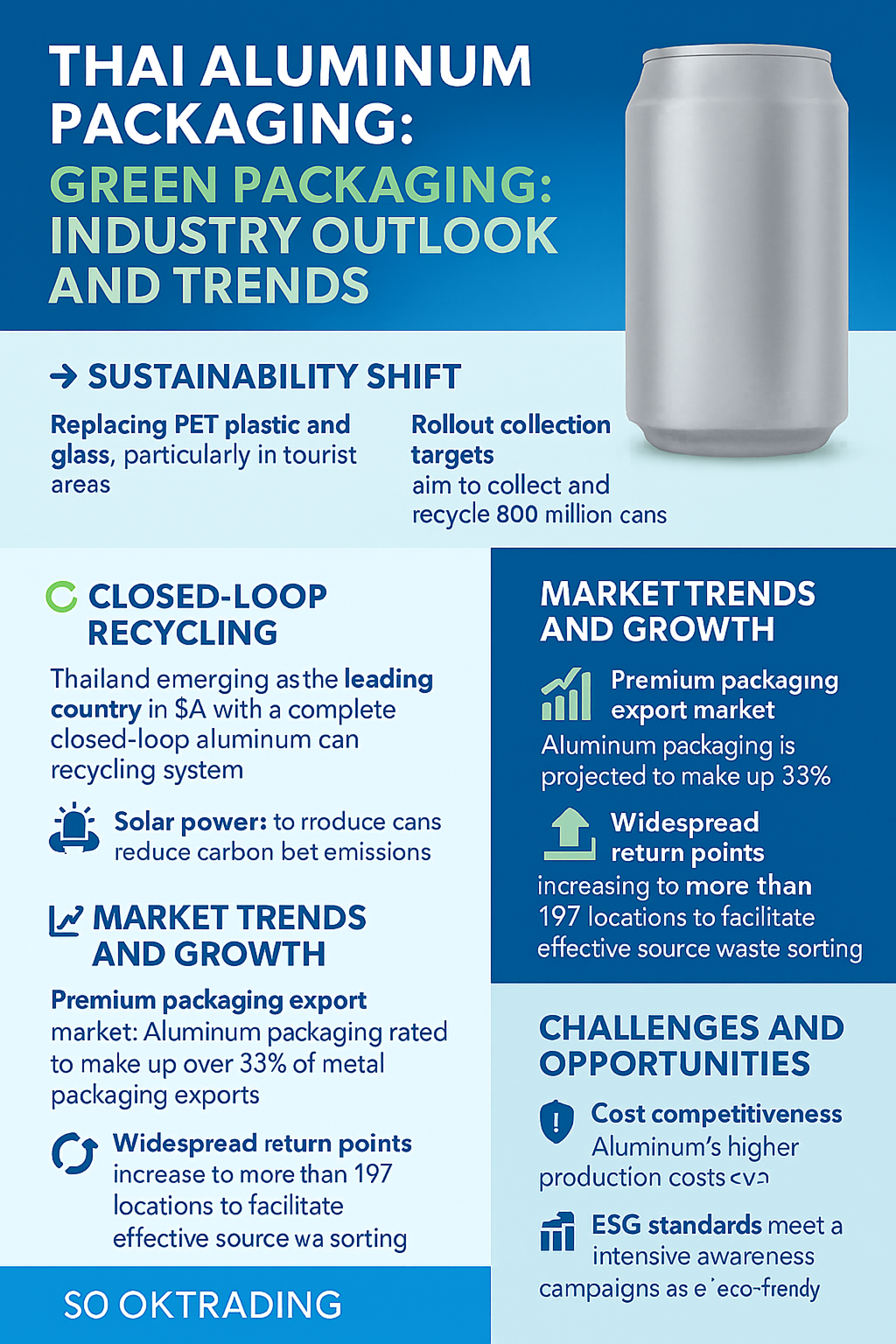
铝罐:循环经济的未来包装
SO OK TRADING 出品
✅ 主要特性
轻便易运输与储存 → 降低物流成本,提高仓储效率
耐腐蚀性强 → 即使在潮湿或恶劣环境下也不会生锈
高屏障性能 → 有效阻隔气体、水蒸气和光线,保持产品品质与风味
优良的导热性 → 饮料快速降温,食品加热更高效
100% 可无限次回收 → 永久循环利用而不损失性能
主要应用
饮料与食品行业
碳酸饮料与啤酒 → 2026 年市场份额超过 41%
罐装饮用水 → 正逐步替代 PET 瓶,解决塑料垃圾问题
罐装食品 → 水果罐头、海产品、即食食品
消费品与其他行业
喷雾与化妆品 → 耐压且不生锈
化学品与润滑油 → 需要防漏、防腐蚀的包装
循环经济创新
回收循环 (Recycling Loop) → 使用过的罐子在 60 天内再生为新罐
升级再造 (Upcycling) → 罐子被改造成花盆、灯具等生活用品
跨行业应用 → 再生铝用于汽车零部件和电子产品
泰国 2026 年发展方向
可持续转型 (Sustainability Shift) → 饮料企业逐步用铝罐替代 PET 和玻璃,尤其在旅游区
回收目标 → “Aluminium Loop” 项目计划回收 8 亿只罐,并扩展至每年 50 亿只
太阳能铝罐 (Aluminium Solar) → 以太阳能生产罐体,降低碳足迹
出口增长 → 占金属包装出口的 33% 以上,符合 ESG 标准
政企合作 → 推动建立国际水准的铝废弃物管理体系
全球趋势(2010–2030)
2010–2020 → 铝罐逐步取代铁罐与玻璃瓶
2021–2026 → 可持续与创新时代 → 回收突破 13 亿只
2027–2030 → 迈向 Net Zero → 制造商目标使用 85% 再生铝,全球市场规模达 6270 亿只
环境与 ESG 维度
减少近 100% 新矿开采 → 保护自然资源
温室气体排放减少超过 60% → 与新矿生产相比
支持 Net Zero 2050 → 铝罐成为循环经济的核心资源
商业机会
铝包装出口 → 满足全球市场对 ESG 与循环经济的需求
打造高端出口品牌 → 与泰国农产品(大米、水果)结合
环保营销 → 以“铝包装与可持续发展”为卖点,提升品牌价值
国际合作 → 借助绿色环境政策(CBAM),建立长期合作伙伴关系
铝罐不仅仅是包装容器,而是永不枯竭的循环资源。它将提升泰国工业的全球竞争力,并推动可持续未来。通过 Aluminium Loop 模式与清洁能源应用,泰国将成为东南亚可持续包装的领导者。
请联系 SO OK TRADING,携手实现 泰国品质 + 全球可持续发展。
Mongkol ต้องการให้ผมทำเวอร์ชันนี้เป็น Infographic ภาษาจีน ด้วยเลยไหมครับ จะได้ใช้โพสต์ใน WeChat/Weibo หรือ Alibaba ได้ทันที
SO OK TRADING 出品
✅ 主要特性
轻便易运输与储存 → 降低物流成本,提高仓储效率
耐腐蚀性强 → 即使在潮湿或恶劣环境下也不会生锈
高屏障性能 → 有效阻隔气体、水蒸气和光线,保持产品品质与风味
优良的导热性 → 饮料快速降温,食品加热更高效
100% 可无限次回收 → 永久循环利用而不损失性能
主要应用
饮料与食品行业
碳酸饮料与啤酒 → 2026 年市场份额超过 41%
罐装饮用水 → 正逐步替代 PET 瓶,解决塑料垃圾问题
罐装食品 → 水果罐头、海产品、即食食品
消费品与其他行业
喷雾与化妆品 → 耐压且不生锈
化学品与润滑油 → 需要防漏、防腐蚀的包装
循环经济创新
回收循环 (Recycling Loop) → 使用过的罐子在 60 天内再生为新罐
升级再造 (Upcycling) → 罐子被改造成花盆、灯具等生活用品
跨行业应用 → 再生铝用于汽车零部件和电子产品
泰国 2026 年发展方向
可持续转型 (Sustainability Shift) → 饮料企业逐步用铝罐替代 PET 和玻璃,尤其在旅游区
回收目标 → “Aluminium Loop” 项目计划回收 8 亿只罐,并扩展至每年 50 亿只
太阳能铝罐 (Aluminium Solar) → 以太阳能生产罐体,降低碳足迹
出口增长 → 占金属包装出口的 33% 以上,符合 ESG 标准
政企合作 → 推动建立国际水准的铝废弃物管理体系
全球趋势(2010–2030)
2010–2020 → 铝罐逐步取代铁罐与玻璃瓶
2021–2026 → 可持续与创新时代 → 回收突破 13 亿只
2027–2030 → 迈向 Net Zero → 制造商目标使用 85% 再生铝,全球市场规模达 6270 亿只
环境与 ESG 维度
减少近 100% 新矿开采 → 保护自然资源
温室气体排放减少超过 60% → 与新矿生产相比
支持 Net Zero 2050 → 铝罐成为循环经济的核心资源
商业机会
铝包装出口 → 满足全球市场对 ESG 与循环经济的需求
打造高端出口品牌 → 与泰国农产品(大米、水果)结合
环保营销 → 以“铝包装与可持续发展”为卖点,提升品牌价值
国际合作 → 借助绿色环境政策(CBAM),建立长期合作伙伴关系
铝罐不仅仅是包装容器,而是永不枯竭的循环资源。它将提升泰国工业的全球竞争力,并推动可持续未来。通过 Aluminium Loop 模式与清洁能源应用,泰国将成为东南亚可持续包装的领导者。
请联系 SO OK TRADING,携手实现 泰国品质 + 全球可持续发展。
Mongkol ต้องการให้ผมทำเวอร์ชันนี้เป็น Infographic ภาษาจีน ด้วยเลยไหมครับ จะได้ใช้โพสต์ใน WeChat/Weibo หรือ Alibaba ได้ทันที



Related Content
油价危机——泰国与世界正面临“双重冲击”
27 Mar 2026
铝制圆锭不仅仅是普通的金属——
它是推动世界创新的起点。无论是电动汽车、飞机,还是摩天大楼,一切都始于铝制圆锭。
SO OK TRADING 将带您深入了解押出成形(Extrusion)工艺,以及覆盖各大产业的应用,并更新全球市场趋势与满足 Net Zero 的绿色圆锭(Green Billet)发展方向。
14 Mar 2026
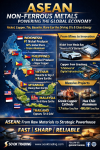
ASEAN:非铁金属的宝库 世界经济的新心脏
SO OK TRADING | 2026年6月24日
24 Jun 2026
