「金属战场!2026年6月非铁金属:聚焦五月价格风暴后的复苏信号 —— 铜与铝正在构筑2026年的新基石」
最后更新: 7 6月 2026
6422 浏览量
2026年6月非铁金属市场 – 波动的战场!
SO OK TRADING | 2026年6月7日
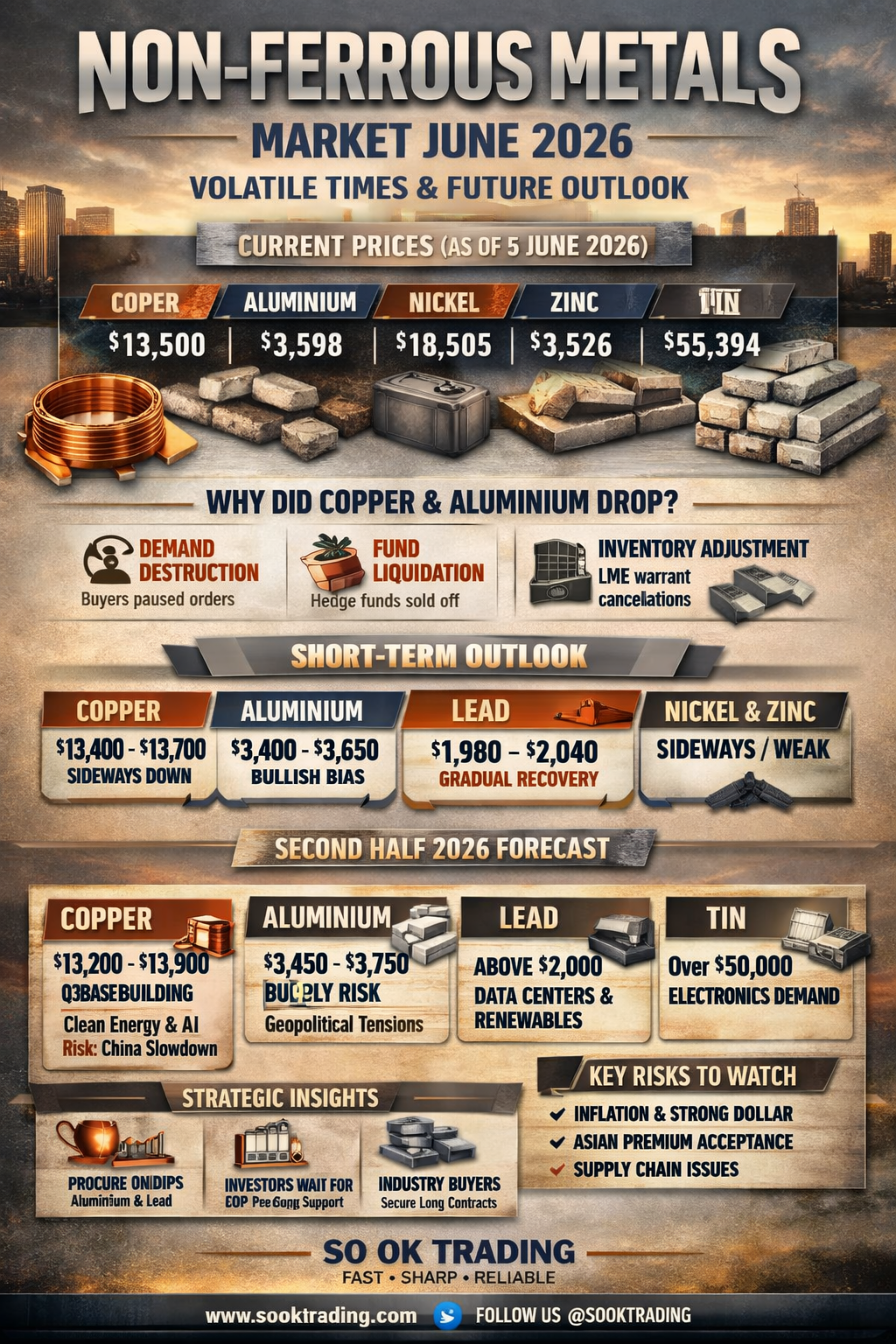
本月,伦敦金属交易所(LME)的非铁金属市场正处于“剧烈波动的战场”。 铜和铝在今年创下多年新高后,于5月底大幅回调,并在6月初开始建立新的价格基准。与此同时,铅、锡、镍和锌也呈现出各自独特的走势,值得关注。
最新价格(截至2026年6月5日)
铜(Copper):13,500美元/吨
铝(Aluminium):3,598美元/吨
镍(Nickel):18,505美元/吨
锌(Zinc):3,526美元/吨
锡(Tin):55,394美元/吨
铅(Lead):2,006美元/吨
“铜与铝仍处于现货升水(Backwardation)状态,显示即期交割需求依然紧张。”
为什么铜和铝价格大幅下跌?
需求破坏(Demand Destruction): 高价导致实际需求停滞
基金平仓(Funds Liquidation): 中国经济放缓促使投机基金获利了结
库存调整(Inventory Management): LME仓库取消提单,反映供需再平衡
➡ 这是一场“降温调整”,而非长期下跌趋势。
短期展望(2026年6月8日–12日)
铜:13,400–13,700美元/横盘偏弱
铝:3,400–3,650美元/偏强波动
铅:1,980–2,040美元/逐步回升
镍与锌:横盘或偏弱
2026年下半年市场预测
铜: 13,200–13,900美元区间筑底,受AI与清洁能源需求支撑
铝: 3,450–3,750美元维持高位,受地缘政治与几内亚铝土矿出口管制影响
铅: 稳定在2,000美元以上,数据中心与新能源系统的铅酸电池需求推动
锡: 高于50,000美元,电子产业需求强劲
⚠️ 需关注的风险因素
美国与欧洲的CPI与通胀 → 美元走强将直接压制金属价格
亚洲市场的现货升水接受度
矿山供应与航运路线的不确定性
SO OK TRADING – FAST • SHARP • RELIABLE
www.sooktrading.com Facebook: SO OK TRADING
SO OK TRADING | 2026年6月7日
本月,伦敦金属交易所(LME)的非铁金属市场正处于“剧烈波动的战场”。 铜和铝在今年创下多年新高后,于5月底大幅回调,并在6月初开始建立新的价格基准。与此同时,铅、锡、镍和锌也呈现出各自独特的走势,值得关注。
最新价格(截至2026年6月5日)
铜(Copper):13,500美元/吨
铝(Aluminium):3,598美元/吨
镍(Nickel):18,505美元/吨
锌(Zinc):3,526美元/吨
锡(Tin):55,394美元/吨
铅(Lead):2,006美元/吨
“铜与铝仍处于现货升水(Backwardation)状态,显示即期交割需求依然紧张。”
为什么铜和铝价格大幅下跌?
需求破坏(Demand Destruction): 高价导致实际需求停滞
基金平仓(Funds Liquidation): 中国经济放缓促使投机基金获利了结
库存调整(Inventory Management): LME仓库取消提单,反映供需再平衡
➡ 这是一场“降温调整”,而非长期下跌趋势。
短期展望(2026年6月8日–12日)
铜:13,400–13,700美元/横盘偏弱
铝:3,400–3,650美元/偏强波动
铅:1,980–2,040美元/逐步回升
镍与锌:横盘或偏弱
2026年下半年市场预测
铜: 13,200–13,900美元区间筑底,受AI与清洁能源需求支撑
铝: 3,450–3,750美元维持高位,受地缘政治与几内亚铝土矿出口管制影响
铅: 稳定在2,000美元以上,数据中心与新能源系统的铅酸电池需求推动
锡: 高于50,000美元,电子产业需求强劲
⚠️ 需关注的风险因素
美国与欧洲的CPI与通胀 → 美元走强将直接压制金属价格
亚洲市场的现货升水接受度
矿山供应与航运路线的不确定性
SO OK TRADING – FAST • SHARP • RELIABLE
www.sooktrading.com Facebook: SO OK TRADING


相关文章
铜废料的分类与全球及泰国市场趋势
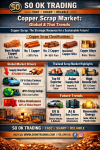
铜废料(Copper Scrap)不仅仅是“旧物”,而是现代金属工业与再生利用中的战略性资源。它可以 100% 再利用,并且不会失去电学与物理特性,因此在降低生产成本、减少对自然资源的依赖以及满足环境(ESG)要求方面发挥着关键作用。
在全球向绿色经济(Green Economy)转型、环境标准(ESG)日益严格的背景下,铜的再生利用与新矿石冶炼相比可节省高达 85% 的能源,同时减少碳排放。
国际通行的 ISRI 标准 在铜废料的分类中至关重要,它决定了价格、价值与再生工艺。从纯度最高的“亮铜(Bare Bright)”到需要重新分离和冶炼的“铜合金(Copper Alloys)”,分类直接影响市场评价。
进入 2026 年,全球及泰国的铜废料市场正步入 结构性上升周期(Structural Uptrend)。电动车(EV)、数据中心、可再生能源以及人工智能(AI)等产业,均需要大量高纯度铜作为核心原料。
SO OK TRADING 作为来自泰国的非铁金属业务合作伙伴,正迈向可持续再生的未来。我们的理念是 FAST • SHARP • RELIABLE,致力于为泰国及亚洲地区的金属市场树立新的标准。
11 10月 2026

2026年泰国钢铁产业:在全球压力与中国进口浪潮中坚守前行
SO OK TRADING | 2026年7月12日
2026年,泰国钢铁产业正处于关键转折点——在国内价格上涨与海外竞争加剧的双重压力下艰难前行。由于废钢成本上升与泰铢贬值,国内钢价已上涨10–15%;然而,产能利用率却跌至30%以下,中国低价钢铁大量涌入市场,几乎占据一半份额。
这种“供给过剩、产能低迷”的结构性失衡,迫使泰国制造商重新思考战略,提升产品标准,并加快技术革新。从EEC经济区的基础设施项目,到受反倾销政策保护的结构钢与型钢市场,每个细分领域都在努力寻找新的生存之道。
在这场产业变革中,SO OK TRADING 以“值得信赖的建筑钢铁合作伙伴”之姿脱颖而出。公司专注于高品质建筑钢材——包括符合泰国工业标准(TIS)的钢筋与螺纹钢,提供透明定价与全国范围的准时交付。凭借超过20年的国际贸易与工业原料供应经验,SO OK TRADING 持续为泰国基础建设提供坚实支持。
“我们不仅销售钢铁,更为每一个项目注入信心。”
12 7月 2026
深入解析泰国–东盟建筑钢筋市场趋势 2026–2027
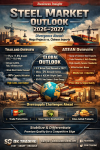
建筑钢筋产业正处于关键转折点 —— 一方面受到政府大型基建项目和基础设施投资的推动,需求持续增长;另一方面却面临来自中国低价钢铁大量涌入的巨大压力。
13 10月 2026
