铝价飙升!创4年来新高,突破3,800美元/吨,震撼全球市场–冲击泰国,废铝热潮,成本飙涨
Last updated: 3 Jun 2026
2986 Views

铝价飙升!突破3,800美元/吨,震撼全球市场–冲击泰国 : 高涨不停 : 更新于2026年6月3日
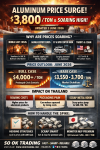
2026年6月,成为全球金属市场必须铭记的一个月。伦敦金属交易所(LME)铝现货价格首次在4年内突破关键阻力位——每吨3,800美元,反映出供应极度紧张以及超预期的强劲需求。
推动价格飙升的因素
中东战争:阿联酋和巴林的大型冶炼厂停产,霍尔木兹海峡航运面临关闭风险,市场立即出现铝供应短缺。
几内亚限制铝土矿出口:上游原料消失,加剧全球供应危机。
电动车与数据中心需求:电动车和数字基础设施大量消耗铝。
关税与环保政策:美国提高进口关税,欧洲实施CBAM,生产成本进一步上升。
LME铝价未来情景(2026年6月)
强势情景(危机延续): 价格可能突破每吨4,000美元。
基准情景(逐步缓解): 价格回落至3,550–3,700美元/吨,但仍因全球能源成本维持高位。
对泰国企业的影响
成本立即飙升:泰国铝材与铝板价格每日随LME上涨。
包装行业压力巨大:饮料罐制造商面临包装成本高企,影响第2–3季度利润。
废铝市场火爆:泰国废铝价格飙升至80–110泰铢/公斤,冶炼厂争相采购,因节能效率超过95%。
应对铝价高企的策略
套期保值(Hedging): 利用LME金融工具规避风险。
专业化废铝分级: 清理与分类废铝以获取溢价。
关注日本MJP溢价: 预计2026年第3季度维持在355–380美元/吨,推动泰国进口成本突破4,150–4,200美元/吨。
全球铝市场正进入“高价与高波动的黄金时代”。泰国企业必须迅速调整,通过库存管理、废铝利用及套期保值来维持利润与竞争力。
SO OK TRADING:您的商业伙伴 FAST • SHARP • RELIABLE WWW.SOOKTRADING.COM Facebook: SO OK TRADING
如您对原铝(Primary)、再生铝(Secondary/Remelt)、废铝(Scrap)有兴趣,欢迎联系我们。谢谢!
2026年6月,成为全球金属市场必须铭记的一个月。伦敦金属交易所(LME)铝现货价格首次在4年内突破关键阻力位——每吨3,800美元,反映出供应极度紧张以及超预期的强劲需求。
推动价格飙升的因素
中东战争:阿联酋和巴林的大型冶炼厂停产,霍尔木兹海峡航运面临关闭风险,市场立即出现铝供应短缺。
几内亚限制铝土矿出口:上游原料消失,加剧全球供应危机。
电动车与数据中心需求:电动车和数字基础设施大量消耗铝。
关税与环保政策:美国提高进口关税,欧洲实施CBAM,生产成本进一步上升。
LME铝价未来情景(2026年6月)
强势情景(危机延续): 价格可能突破每吨4,000美元。
基准情景(逐步缓解): 价格回落至3,550–3,700美元/吨,但仍因全球能源成本维持高位。
对泰国企业的影响
成本立即飙升:泰国铝材与铝板价格每日随LME上涨。
包装行业压力巨大:饮料罐制造商面临包装成本高企,影响第2–3季度利润。
废铝市场火爆:泰国废铝价格飙升至80–110泰铢/公斤,冶炼厂争相采购,因节能效率超过95%。
应对铝价高企的策略
套期保值(Hedging): 利用LME金融工具规避风险。
专业化废铝分级: 清理与分类废铝以获取溢价。
关注日本MJP溢价: 预计2026年第3季度维持在355–380美元/吨,推动泰国进口成本突破4,150–4,200美元/吨。
全球铝市场正进入“高价与高波动的黄金时代”。泰国企业必须迅速调整,通过库存管理、废铝利用及套期保值来维持利润与竞争力。
SO OK TRADING:您的商业伙伴 FAST • SHARP • RELIABLE WWW.SOOKTRADING.COM Facebook: SO OK TRADING
如您对原铝(Primary)、再生铝(Secondary/Remelt)、废铝(Scrap)有兴趣,欢迎联系我们。谢谢!


Related Content
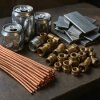
Aluminum and copper scrap are vital for new products, with aluminum used in lightweight automotive/aerospace parts, packaging (cans), and construction (siding, windows) for its strength-to-weight ratio, while copper excels in electrical wiring, plumbing, and electronics due to its superior conductivity and corrosion resistance, with both metals significantly reducing energy and resources compared to virgin material.
Aluminum Scrap Usage
Transportation: Car parts, airplane components, trains (reducing weight for fuel efficiency).
Packaging: Beverage cans, foil, food containers (lightweight, non-toxic).
Construction: Window frames, roofing, siding, structural elements.
Electronics: Casings, heat sinks.
Copper Scrap Usage
Electrical: Wiring (household, industrial), motors, generators, transformers (best conductor).
Plumbing: Pipes, fittings (corrosion-resistant).
Electronics & Renewables: Circuit boards, solar panels, wind turbines, EVs (high demand).
Industrial: Machinery, heat exchangers, decorative items (as brass).
Key Benefits of Recycling Both
Energy Savings: Significantly less energy needed than mining new ore.
Resource Conservation: Reduces mining impact and conserves natural resources like bauxite.
Circular Economy: Creates a sustainable loop, especially crucial for growing green tech demand.
25 Dec 2025
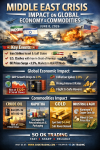
中东危机 2026年6月8日:战争震撼全球经济与关键原材料
中东局势再度升温!
伊朗向以色列发射导弹,美国在霍尔木兹海峡与伊朗交火。原油价格飙升,全球股市剧烈波动,关键原材料供应链遭受严重冲击。
8 Jun 2026
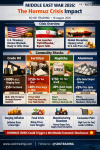
《2026中东战争:霍尔木兹的定时炸弹 —— 全球能源震荡》
随着美伊之间的停火协议(MoU)在8月17日正式失效,全球正面临过去十年来最大的“能源转折点”。作为世界石油贸易大动脉的霍尔木兹海峡被封锁,航运几乎停滞,能源价格前所未有地飙升。
这一影响并不仅限于中东,而是迅速扩散至全球。从石化工厂的生产成本,到各国超市里的化肥和食品价格,世界经济的每一个环节都受到冲击。
在本报告中,SO OK TRADING 将深入解析正在成为全球经济关键变量的“四大商品” —— 原油、化肥、石脑油、铝,并展望2026年下半年的趋势(Outlook),这些因素可能彻底改变全球能源贸易格局。
18 Aug 2026
