「铜的超级周期:十年来最炙热的金属——从普通金属到推动世界的新力量,全球投资者瞩目的战略金属,以及改变世界的力量」 SO OK TRADING :2026年5月14日
最后更新: 14 五月 2026
2461 浏览量

《铜的超级周期:当铜成为“未来的金属”》 SO OK TRADING :2026年5月14日
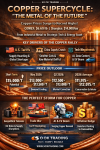
全球铜价正经历近年来最炙热的上涨!美国COMEX创下新高,达到 每磅6.69美元,上海市场突破 每吨14,000美元。这一现象并非短期波动,而是铜从“传统工业金属”转变为“科技与新能源的战略资产”的真实写照。
推动铜市场的关键因素
美国关税政策 → 不确定性促使美国市场加速囤积铜,导致其他地区严重短缺。
中国供应危机 → 原材料和硫磺、硫酸短缺使冶炼厂产量下降超过3%。
未来大趋势 → AI、数据中心、电动车与清洁能源的扩张推动铜需求爆炸性增长,尤其是超大规模数据中心,其耗铜量是传统数据中心的3–4倍。
价格走势与预测
短期:花旗银行认为,如果地缘政治风险持续,价格可能触及 15,000美元/吨。
2026年5月底:预计在 13,000–13,500美元/吨,出现“需求破坏”的迹象。
第二季度末:可能调整至 12,500–13,000美元/吨,投机性买盘减弱。
全年平均(2026年):预计 11,975–12,075美元/吨,下半年或降至 11,000–11,500美元/吨。
推动铜价的“完美风暴”
地缘政治紧张 → 霍尔木兹海峡封锁风险推高能源价格,增加冶炼成本。
贸易战 → 为规避关税而囤积,导致全球库存枯竭。
AI与能源转型 → 数据中心和电动车的需求远超预期。
资金涌入 → 投资者将铜视为抗通胀的避险资产。
⚡ LME市场最新动态
LME即期结算价:$14,097.00 → 即期价格持续上涨
LME三个月收盘价:$14,153.00 → 反映短期需求强劲
LME历史最高价:$14,527.50 → 市场正在测试新高
库存量:降至398,550吨 → 证明实际需求超过供应能力
铜的超级周期:从“经济温度计”到未来金属
铜已不再只是“经济的晴雨表”,而是全球基础设施的核心。
数据中心:摩根大通预测需求将达到 475,000吨。
电动车:一辆电动车耗铜量是燃油车的3–4倍。
清洁能源:太阳能、风能和智能电网需要大量铜。
结论
铜正在进入由结构性因素与投机资金共同推动的 超级周期。能够及时调整战略的市场参与者将占据优势。铜如今不仅是工业金属,更是 “未来的战略资产”。
SO OK TRADING 新时代金属市场的商业伙伴 FAST • SHARP • RELIABLE WWW.SOOKTRADING.COM FACEBOOK: SO OK TRADING
全球铜价正经历近年来最炙热的上涨!美国COMEX创下新高,达到 每磅6.69美元,上海市场突破 每吨14,000美元。这一现象并非短期波动,而是铜从“传统工业金属”转变为“科技与新能源的战略资产”的真实写照。
推动铜市场的关键因素
美国关税政策 → 不确定性促使美国市场加速囤积铜,导致其他地区严重短缺。
中国供应危机 → 原材料和硫磺、硫酸短缺使冶炼厂产量下降超过3%。
未来大趋势 → AI、数据中心、电动车与清洁能源的扩张推动铜需求爆炸性增长,尤其是超大规模数据中心,其耗铜量是传统数据中心的3–4倍。
价格走势与预测
短期:花旗银行认为,如果地缘政治风险持续,价格可能触及 15,000美元/吨。
2026年5月底:预计在 13,000–13,500美元/吨,出现“需求破坏”的迹象。
第二季度末:可能调整至 12,500–13,000美元/吨,投机性买盘减弱。
全年平均(2026年):预计 11,975–12,075美元/吨,下半年或降至 11,000–11,500美元/吨。
推动铜价的“完美风暴”
地缘政治紧张 → 霍尔木兹海峡封锁风险推高能源价格,增加冶炼成本。
贸易战 → 为规避关税而囤积,导致全球库存枯竭。
AI与能源转型 → 数据中心和电动车的需求远超预期。
资金涌入 → 投资者将铜视为抗通胀的避险资产。
⚡ LME市场最新动态
LME即期结算价:$14,097.00 → 即期价格持续上涨
LME三个月收盘价:$14,153.00 → 反映短期需求强劲
LME历史最高价:$14,527.50 → 市场正在测试新高
库存量:降至398,550吨 → 证明实际需求超过供应能力
铜的超级周期:从“经济温度计”到未来金属
铜已不再只是“经济的晴雨表”,而是全球基础设施的核心。
数据中心:摩根大通预测需求将达到 475,000吨。
电动车:一辆电动车耗铜量是燃油车的3–4倍。
清洁能源:太阳能、风能和智能电网需要大量铜。
结论
铜正在进入由结构性因素与投机资金共同推动的 超级周期。能够及时调整战略的市场参与者将占据优势。铜如今不仅是工业金属,更是 “未来的战略资产”。
SO OK TRADING 新时代金属市场的商业伙伴 FAST • SHARP • RELIABLE WWW.SOOKTRADING.COM FACEBOOK: SO OK TRADING


相关文章
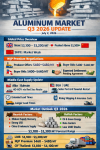
「全球铝市 Q3/2026 —— 价格进入调整期,但溢价飙升至11年来最高水平」
SO OK TRADING|2026年7月2日
正文(中文翻译)
在经历了年初创下近四年来的最高价之后,全球铝市场目前正处于“价格调整期”。然而值得关注的是,日本溢价(MJP Premium)逆势上涨,创下11年来的新高!
2 7月 2026
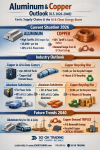
美国铝与铜的使用现状与趋势:成本、供应链,以及人工智能与清洁能源的驱动
SO OK TRADING|2026年10月4日
在科技与清洁能源迅速改变世界的时代,美国正面临战略性金属——铝(Aluminum)和铜(Copper)供应链的巨大压力。这两种金属不仅是工业的重要原材料,更是未来创新的“核心”,从电动汽车(EV)到人工智能数据中心,再到可再生能源系统,都离不开它们的支撑。
进口关税、供应紧张以及国际资源竞争,正在对全球金属产业造成强烈冲击,尤其是美国,为了维持经济与技术的稳定,必须进行重大调整。
本文将深入探讨:
美国铝与铜市场的现状
AI与清洁能源时代的投资与应用方向
未来的回收利用与材料替代趋势
以清晰呈现这两种金属如何成为新世界经济的“支柱”。
4 10月 2026
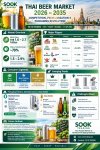
「泰国啤酒市场 2026–2035:竞争、精品化与包装革新」
SO OK TRADING|FAST • SHARP • RELIABLE|2026年9月17日
✨ 前言
泰国啤酒市场正进入重大转型期——从两大巨头 Leo(狮牌) 与 Chang(象牌) 的激烈竞争,到由 精品化(Premiumization)、即饮型(RTD, Ready-To-Drink) 以及 铝罐包装创新 所推动的新趋势,市场正在回应可持续发展与年轻一代的生活方式。
17 9月 2026
