「铝市沸腾!全球价格飙升,LME突破3600美元 —— 日本溢价创十年新高,2026年成为泰国再生铝产业的黄金之年」
最后更新: 12 五月 2026
4129 浏览量
「铝市沸腾!LME强劲上涨 – 日本溢价创十年新高,2026年成为再生铝产业的黄金机遇」 SO OK TRADING 撰文|2026年5月12日
全球市场动向
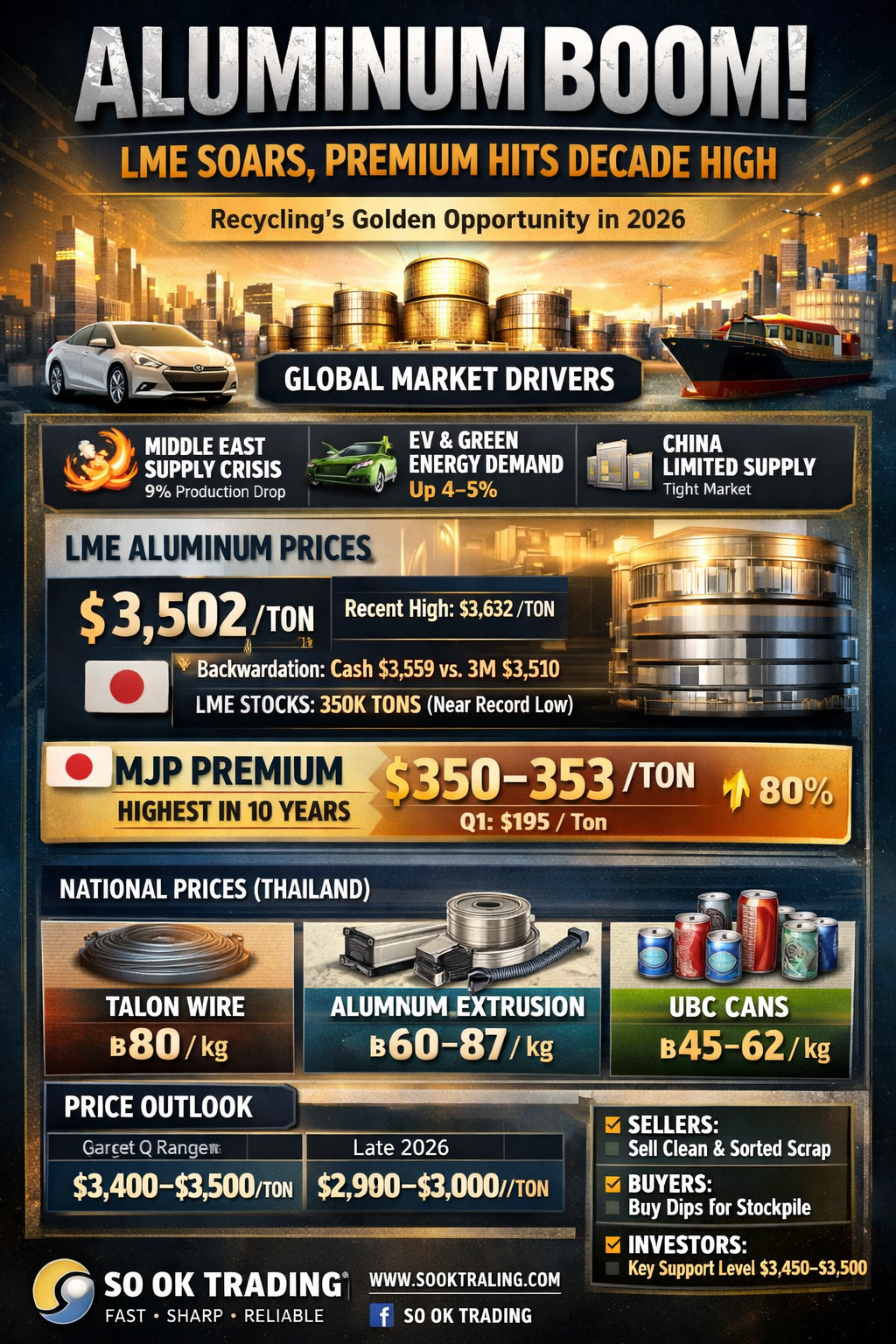
2026年5月,全球铝市场依然是“近年来最火热”的时期。价格一度突破 3,632美元/吨,随后回落至 3,479–3,525美元/吨,但仍比去年同期高出 45%。
中东供应危机:冶炼厂与航运通道遭受攻击,全球产能约9%受损。
电动车与清洁能源需求:预计今年需求将继续增长4–5%。
中国生产恢复:虽有助于增加供应,但不足以缓解全球紧张局势。
LME价格现状
最新价格(5月8日):3,502美元/吨
现货高于期货(Backwardation):即期价格(3,559美元)高于三个月期货(3,510美元),反映出真实需求的强劲。
库存:LME仓库库存仅剩 35万吨,处于极低水平,价格对消息极为敏感。
日本MJP溢价
2026年第二季度:350–353美元/吨,创十年来最高水平
第一季度:仅195美元,涨幅约80%
原因:供应转向欧美市场、运输成本上升、地缘政治风险加剧
泰国市场情况
剥线(TALON/TANN):纯度99–99.7%,价格约80泰铢/公斤
铝板/型材:60–87泰铢/公斤
UBC易拉罐:45–62泰铢/公斤
低等级废铝:如纱窗或车床屑,仅15–20泰铢/公斤
♻️ 2026年回收趋势
闭环回收:“罐到罐”工艺,节能高达95%
绿色铝:再生铝获得价格溢价,出口更具优势
先进分选技术:XRF、LIBS精准分选,废料价格跃升至工业品水平
EPR法规:制造商需承担产品废弃物回收责任,自动回收机(RVM)有望普及
价格展望
短期(Q2–Q3/2026):预计在3,400–3,500美元/吨区间波动
中期(年底):全年均价预计在2,900–3,000美元以上,高于世界银行此前预测
MJP溢价:全年维持在300美元以上
泰国市场:高等级废铝价格稳健,受EV与绿色能源需求推动
战略建议(截至2026年5月12日)
卖方:清洁且分选良好的废铝仍具高价,建议分批出售以降低风险
买方/制造商:价格回调阶段是补充库存的良机
投资者:3,450–3,500美元/吨是关键支撑位,若能守住,有望再次挑战高点
结论
2026年被誉为“回收的黄金年”。铝废料不再只是垃圾,而是绿色经济时代的 战略性原材料。及时投资技术与市场布局,将成为提升全球竞争力的关键。
SO OK TRADING FAST • SHARP • RELIABLE www.sooktrading.com Facebook: SO OK TRADING
全球市场动向
2026年5月,全球铝市场依然是“近年来最火热”的时期。价格一度突破 3,632美元/吨,随后回落至 3,479–3,525美元/吨,但仍比去年同期高出 45%。
中东供应危机:冶炼厂与航运通道遭受攻击,全球产能约9%受损。
电动车与清洁能源需求:预计今年需求将继续增长4–5%。
中国生产恢复:虽有助于增加供应,但不足以缓解全球紧张局势。
LME价格现状
最新价格(5月8日):3,502美元/吨
现货高于期货(Backwardation):即期价格(3,559美元)高于三个月期货(3,510美元),反映出真实需求的强劲。
库存:LME仓库库存仅剩 35万吨,处于极低水平,价格对消息极为敏感。
日本MJP溢价
2026年第二季度:350–353美元/吨,创十年来最高水平
第一季度:仅195美元,涨幅约80%
原因:供应转向欧美市场、运输成本上升、地缘政治风险加剧
泰国市场情况
剥线(TALON/TANN):纯度99–99.7%,价格约80泰铢/公斤
铝板/型材:60–87泰铢/公斤
UBC易拉罐:45–62泰铢/公斤
低等级废铝:如纱窗或车床屑,仅15–20泰铢/公斤
♻️ 2026年回收趋势
闭环回收:“罐到罐”工艺,节能高达95%
绿色铝:再生铝获得价格溢价,出口更具优势
先进分选技术:XRF、LIBS精准分选,废料价格跃升至工业品水平
EPR法规:制造商需承担产品废弃物回收责任,自动回收机(RVM)有望普及
价格展望
短期(Q2–Q3/2026):预计在3,400–3,500美元/吨区间波动
中期(年底):全年均价预计在2,900–3,000美元以上,高于世界银行此前预测
MJP溢价:全年维持在300美元以上
泰国市场:高等级废铝价格稳健,受EV与绿色能源需求推动
战略建议(截至2026年5月12日)
卖方:清洁且分选良好的废铝仍具高价,建议分批出售以降低风险
买方/制造商:价格回调阶段是补充库存的良机
投资者:3,450–3,500美元/吨是关键支撑位,若能守住,有望再次挑战高点
结论
2026年被誉为“回收的黄金年”。铝废料不再只是垃圾,而是绿色经济时代的 战略性原材料。及时投资技术与市场布局,将成为提升全球竞争力的关键。
SO OK TRADING FAST • SHARP • RELIABLE www.sooktrading.com Facebook: SO OK TRADING


相关文章
「2027–2032年铝罐包装产业:迈向循环经济与新兴市场的成长」
SO OK TRADING | 2026年9月24日
全球铝罐包装产业正在迎来重大转型期。从过去强调低成本与便利性,逐步转向成为 循环经济(Circular Economy) 的核心,并在严格的全球环保法规下,推动实现 净零排放(Net Zero) 的目标。铝罐不再只是饮料包装,而是可持续发展与创新的象征。
在未来5–6年间,铝罐不仅将在高端饮料市场中扮演关键角色,还将在快速增长的 宠物食品罐(Premium Pet Food Cans) 市场中展现巨大潜力。
作为东盟地区的制造中心(EEC Hub),泰国在推动这一产业方面发挥着重要作用。凭借高效的闭环回收系统以及大型制造商的支持,泰国正加速迈向全球市场。
SO OK TRADING 坚持 “FAST • SHARP • RELIABLE”,致力于成为您值得信赖的商业伙伴,共同打造可持续且具备国际竞争力的未来包装产业。
24 9月 2026
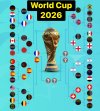
2026年世界杯正进入高潮阶段!
每一场比赛都充满了戏剧性与战术博弈,吸引着全球球迷的目光。从八强赛到激烈的决赛,本篇分析将带您深入剖析阿根廷、英格兰、西班牙以及被视为最有希望夺冠的法国的征程。法国正被看好冲击第三座世界杯冠军奖杯。
11 7月 2026
