「全球供应冲击 —— 铝价沸腾!战略性轻金属,十年来最严重的短缺」 : SO OK TRADING 撰文 : 2026年4月25日
Last updated: 25 Apr 2026
4783 Views
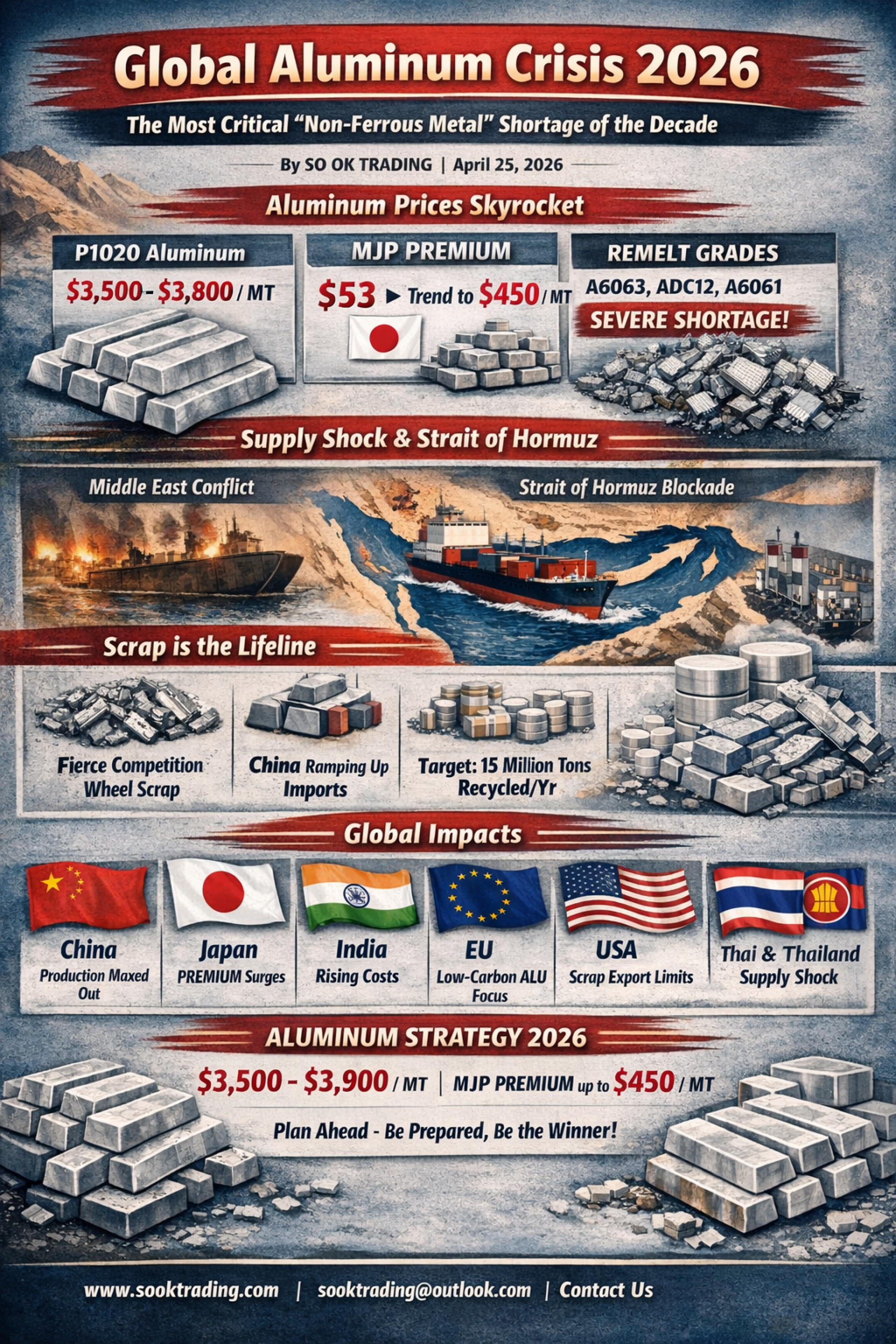
全球铝业危机 2026:十年来最严重的轻金属(非铁金属)短缺
: SO OK TRADING 撰文 : 2026年4月25日
2026年的铝不再只是普通原材料,而是各国争相掌握的战略性轻金属。 中东战争与霍尔木兹海峡的封锁,正在引发十年来最大规模的供应冲击。
价格飙升 —— “轻金属”不再轻
P1020(高纯度铝锭):价格已涨至每吨3,500–3,626美元,若冲突持续,可能突破3,800美元。
日本溢价(MJP):较上季度暴涨逾80%,从185–200 USD/MT 跃升至353 USD/MT,预计Q3/2026将逼近450 USD/MT。
再熔铝(A6063, ADC12, A6061):随废料价格大幅上涨,尤其是建筑与电动车关键用材A6063短缺最严重。
供应链动荡 —— 霍尔木兹海峡成全球弱点
中东冶炼厂遭袭,出口减少8–9%。
中国产能已达4,550万吨,无法再扩张;部分塑料供应缺口转向铝材替代,出口供应更紧张。
泰国与东盟直接受冲击:原材料价格上涨、交货周期延长、建筑成本随全球市场攀升。
♻️ 废铝成为“新供应源”
新产量减少逾350万吨,全球制造商纷纷转向废铝。
美国与欧洲限制废铝出口,中国则全球收购,目标2027年实现1,500万吨/年回收。
仅一个月内,车轮废铝与电线废铝价格上涨130–140美元/吨。
各国铝材使用现状
中国:消费占全球50%以上,集中于电动车与光伏。产能受限,依赖废铝与进口。
日本:溢价全球最高,汽车与电子产业因原料短缺面临停滞风险。对中东依赖度高。
印度:基础设施与电网需求推动最快增长,但成本飙升压制投资。
欧洲:CBAM全面实施,仅能进口低碳铝与回收铝,绿色溢价上升。
美国:推动国内供应链(Onshoring),但废铝出口限制冲击全球市场。
泰国/东盟:作为电动车零部件与饮料包装生产基地,直接遭遇价格与运输成本冲击。
铝包装 —— 向可持续转型的关键
闭环回收:泰国推动循环模式,目标2050年实现净零排放。
饮料市场增长:全球铝罐使用量预计今年突破4,700亿只。
智能包装:数字产品护照(DPP)上线,消费者可用手机查询来源与回收信息。
企业结论
铝价仍处高位且波动剧烈:3,500–3,700 USD/MT;MJP溢价353 USD/MT。
Q3/2026 LME铝价或升至3,800–3,900 USD/MT,MJP溢价逼近450 USD/MT。
原铝与废铝供应均紧张。
持有库存者优势巨大。建议提前2–3个月采购,并密切关注各地区溢价。
✨ 铝已不再是“普通金属”,而是各国争夺的战略性轻金属。能够提前布局者,才是这场全球经济博弈的赢家。
如需采购铝材,请访问 www.sooktrading.com → “Give Inquiry”,或直接电邮至 sooktrading@outlook.com。 我们提供高品质铝材,价格合理,供应稳定。
SO OK TRADING:您的商业伙伴 FAST ・ SHARP ・ RELIABLE VISIT US AT : WWW.SOOKTRADING.COM FACEBOOK : SO OK TRADING
: SO OK TRADING 撰文 : 2026年4月25日
2026年的铝不再只是普通原材料,而是各国争相掌握的战略性轻金属。 中东战争与霍尔木兹海峡的封锁,正在引发十年来最大规模的供应冲击。
价格飙升 —— “轻金属”不再轻
P1020(高纯度铝锭):价格已涨至每吨3,500–3,626美元,若冲突持续,可能突破3,800美元。
日本溢价(MJP):较上季度暴涨逾80%,从185–200 USD/MT 跃升至353 USD/MT,预计Q3/2026将逼近450 USD/MT。
再熔铝(A6063, ADC12, A6061):随废料价格大幅上涨,尤其是建筑与电动车关键用材A6063短缺最严重。
供应链动荡 —— 霍尔木兹海峡成全球弱点
中东冶炼厂遭袭,出口减少8–9%。
中国产能已达4,550万吨,无法再扩张;部分塑料供应缺口转向铝材替代,出口供应更紧张。
泰国与东盟直接受冲击:原材料价格上涨、交货周期延长、建筑成本随全球市场攀升。
♻️ 废铝成为“新供应源”
新产量减少逾350万吨,全球制造商纷纷转向废铝。
美国与欧洲限制废铝出口,中国则全球收购,目标2027年实现1,500万吨/年回收。
仅一个月内,车轮废铝与电线废铝价格上涨130–140美元/吨。
各国铝材使用现状
中国:消费占全球50%以上,集中于电动车与光伏。产能受限,依赖废铝与进口。
日本:溢价全球最高,汽车与电子产业因原料短缺面临停滞风险。对中东依赖度高。
印度:基础设施与电网需求推动最快增长,但成本飙升压制投资。
欧洲:CBAM全面实施,仅能进口低碳铝与回收铝,绿色溢价上升。
美国:推动国内供应链(Onshoring),但废铝出口限制冲击全球市场。
泰国/东盟:作为电动车零部件与饮料包装生产基地,直接遭遇价格与运输成本冲击。
铝包装 —— 向可持续转型的关键
闭环回收:泰国推动循环模式,目标2050年实现净零排放。
饮料市场增长:全球铝罐使用量预计今年突破4,700亿只。
智能包装:数字产品护照(DPP)上线,消费者可用手机查询来源与回收信息。
企业结论
铝价仍处高位且波动剧烈:3,500–3,700 USD/MT;MJP溢价353 USD/MT。
Q3/2026 LME铝价或升至3,800–3,900 USD/MT,MJP溢价逼近450 USD/MT。
原铝与废铝供应均紧张。
持有库存者优势巨大。建议提前2–3个月采购,并密切关注各地区溢价。
✨ 铝已不再是“普通金属”,而是各国争夺的战略性轻金属。能够提前布局者,才是这场全球经济博弈的赢家。
如需采购铝材,请访问 www.sooktrading.com → “Give Inquiry”,或直接电邮至 sooktrading@outlook.com。 我们提供高品质铝材,价格合理,供应稳定。
SO OK TRADING:您的商业伙伴 FAST ・ SHARP ・ RELIABLE VISIT US AT : WWW.SOOKTRADING.COM FACEBOOK : SO OK TRADING


Related Content
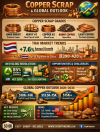
铜 —— 清洁能源时代的战略金属
在全球正加速向可再生能源、电动汽车和数字技术转型的背景下,铜已成为新世界经济的核心。从生产、输电,到驱动全球 AI 的数据中心,铜都发挥着不可或缺的作用。
泰国同样不容小觑 —— 铜回收产业正在快速增长,以平均 7.6% 的速度进入“结构性上升期”(Structural Uptrend),并跻身全球前十的铜废料出口国之一。
♻️ 从废金属到全球商业机遇
再生铜不仅能降低成本,还能比新矿冶炼减少 85% 的碳排放,符合全球高度重视的 ESG 与净零(Net Zero) 标准。泰国的冶炼厂和企业正加快采用清洁技术,例如自动剥线机,以及 LIBS / 高光谱成像 系统,以提升纯度和商业价值。
⚙️ 全球市场进入超级周期
2026–2035 年间,全球铜价预计将因 电动汽车、人工智能、数据中心和清洁能源 的需求而大幅上涨。到 2035 年,价格有望突破 每吨 15,000 美元,背后原因是供应短缺与全球电力基础设施投资的增加。
31 Jul 2026
铝锭——现代金属工业的核心动力
凭借轻量、耐腐蚀、优异的导热性能等特性,铝锭已成为推动汽车、建筑、电子等制造业发展的关键“战略性金属”,是现代工业创新背后的重要基础材料。
在本篇文章中,SO OK TRADING 将为您深入解析:
9 Aug 2026
