「全球原材料危机:霍尔木兹缓解,能源格局重塑 —— 原油大跌,石脑油回落,化肥依然高企」
最后更新: 18 4月 2026
2598 浏览量
全球原材料危机:中东战争的转折 —— SO OK TRADING 撰文 | 2026年4月18日
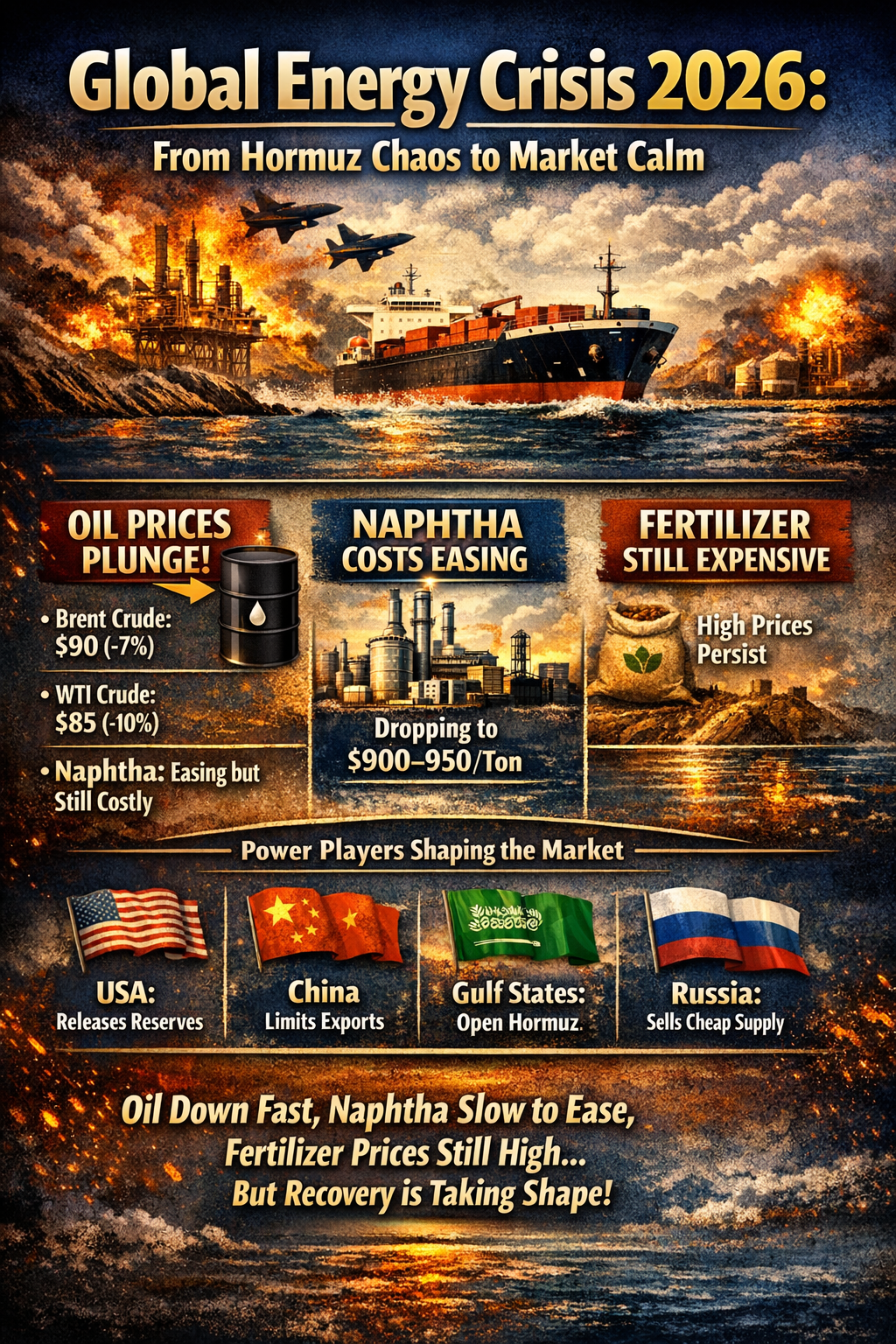
霍尔木兹海峡危机逐渐缓解,原油、石脑油与化肥市场开始显现复苏迹象。
⛽ 原油:从飙升到急跌 伊朗宣布开放霍尔木兹海峡后,国际原油价格迅速下跌:
Brent 原油:下跌 7–9%,至约 90 美元/桶
WTI 原油:下跌 10%,至约 85 美元/桶
地缘政治风险保费瞬间消失 15–20 美元。泰国国内油价亦立即下调(柴油 -1.50 泰铢,汽油 -0.50 泰铢),并有望在 4 月 23 日炼制成本调整后进一步下降。
⚗️ 石脑油:危中有机,逐步缓解
上月价格单月飙升逾 30%,突破 1,000 美元/吨
全球生产商因原料短缺被迫减产 25–30%
当前供应逐步恢复,但运输与保险成本仍居高不下
预计 4 月底价格将缓慢回落至 900–950 美元/吨,但全面恢复仍需时间。
化肥:供应恢复但价格依旧高企
中东供应因战争受阻,全球市场出现短缺
霍尔木兹海峡开放改善了物流,但 3–4 月的冲击导致库存不足
农民短期内仍需承担高价,待新一批货源到达后成本才会逐步下降
总结
原油:率先降价 → 带动能源成本下降
石脑油:供应回暖但价格仍高 → 企业需谨慎管控成本
化肥:恢复最慢 → 农民短期仍面临高成本压力
“全球能源正从危机走向休整 —— 原油率先降价,石脑油缓慢回落,化肥仍高企,但整体趋势已显现可触及的复苏。”
SO OK TRADING : 您的商业伙伴 SO OK TRADING : FAST • SHARP • RELIABLE
WWW.SOOKTRADING.COM Facebook : SOOK TRADING
霍尔木兹海峡危机逐渐缓解,原油、石脑油与化肥市场开始显现复苏迹象。
⛽ 原油:从飙升到急跌 伊朗宣布开放霍尔木兹海峡后,国际原油价格迅速下跌:
Brent 原油:下跌 7–9%,至约 90 美元/桶
WTI 原油:下跌 10%,至约 85 美元/桶
地缘政治风险保费瞬间消失 15–20 美元。泰国国内油价亦立即下调(柴油 -1.50 泰铢,汽油 -0.50 泰铢),并有望在 4 月 23 日炼制成本调整后进一步下降。
⚗️ 石脑油:危中有机,逐步缓解
上月价格单月飙升逾 30%,突破 1,000 美元/吨
全球生产商因原料短缺被迫减产 25–30%
当前供应逐步恢复,但运输与保险成本仍居高不下
预计 4 月底价格将缓慢回落至 900–950 美元/吨,但全面恢复仍需时间。
化肥:供应恢复但价格依旧高企
中东供应因战争受阻,全球市场出现短缺
霍尔木兹海峡开放改善了物流,但 3–4 月的冲击导致库存不足
农民短期内仍需承担高价,待新一批货源到达后成本才会逐步下降
总结
原油:率先降价 → 带动能源成本下降
石脑油:供应回暖但价格仍高 → 企业需谨慎管控成本
化肥:恢复最慢 → 农民短期仍面临高成本压力
“全球能源正从危机走向休整 —— 原油率先降价,石脑油缓慢回落,化肥仍高企,但整体趋势已显现可触及的复苏。”
SO OK TRADING : 您的商业伙伴 SO OK TRADING : FAST • SHARP • RELIABLE
WWW.SOOKTRADING.COM Facebook : SOOK TRADING


相关文章
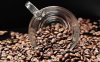
Coffee knowledge covers its origins (coffee cherries), types (Arabica, Robusta), processing (washed, natural), flavor profiles influenced by terroir (origin, soil, altitude) and roast (light, medium, dark), brewing methods, and cultural aspects, revealing how these factors create the complex tastes and aromas we enjoy, from fruity & floral to nutty & chocolatey.
Key Aspects of Coffee Knowledge
Coffee Origins & Plant: Beans come from seeds inside coffee cherries on the Coffea plant, grown in the "bean belt" between the tropics. Key species are Arabica (sweeter, popular) and Robusta (stronger, higher caffeine).
Terroir & Processing: Flavor is shaped by region (e.g., Ethiopian fruitiness vs. Brazilian nuttiness), altitude, soil, and processing (drying beans inside the cherry vs. washing them).
Roasting: Lighter roasts are brighter/acidic, medium roasts are balanced, and darker roasts are bolder/bitter; roasting develops deep brown colors and complex flavors.
Tasting & Flavor: Coffee has sweet, sour, bitter, salty, and aromatic (floral, fruity, spicy, nutty, etc.) components, with sweetness often indicating careful processing.
Brewing: Techniques like espresso, drip, or cold brew extract -
Coffee is a beverage made from roasted, ground seeds of coffee cherries.
Finland consumes the most coffee per capita.
Brazil grows the most coffee in the world.
-----
22 12月 2025
「黄金跌破4,000美元!短期阵痛,但大机会正在到来 —— 七月是抄底的最佳时机」
30 6月 2026

⚡ 铜(Copper)——未来的战略金属
SO OK TRADING 撰文 | 2026年7月18日
在全球正迈向清洁能源与电动汽车(EV)的时代,铜已不再只是普通的工业金属,而是成为现代经济的“生命动脉”,支撑着从电池、马达到充电站的每一个系统。
凭借卓越的导电性能以及 100% 可回收再利用 的特性,铜已成为 循环经济(Circular Economy) 的核心,也是推动电动汽车产业增长的关键原材料。
SO OK TRADING 将带您深入探讨铜在清洁能源时代的作用——从回收技术、不同类型电动车的使用量,到全球铜价趋势,市场正进入一个全新的 超级周期(Supercycle)。
✨ 阅读全文请见本帖
让我们一起见证这类战略金属如何重塑全球经济的未来。
SO OK TRADING — FAST | SHARP | RELIABLE
18 7月 2026
