锡:从普通金属到战略资源 —— 连接人工智能与清洁能源的未来之胶
最后更新: 27 2月 2026
3663 浏览量
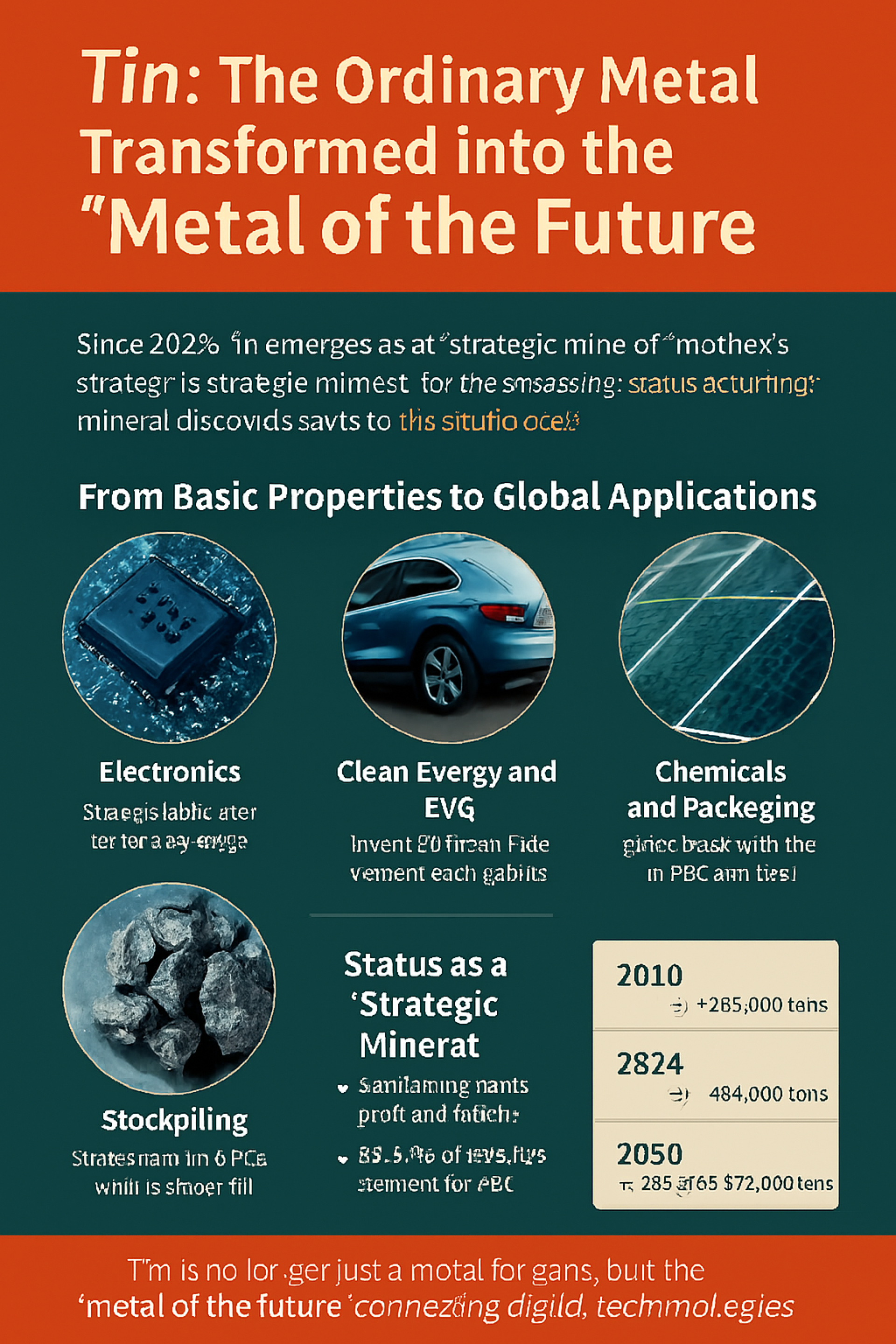
✨ 锡:从普通金属到“未来之金属” ✨
曾经,锡(Sn)只是用于涂覆罐头的材料。
但在2026年,世界开始将其视为 战略资源,它正在重塑数字经济与清洁能源的格局。
从基本特性到全球应用
锡柔软易加工,熔点低,耐腐蚀。
因此,它被广泛应用于食品工业的金属涂层,以及电子电路的焊接。
目前全球主要用途分为三大类:
电子产业:占全球需求的50%以上,是智能手机、AI芯片和5G设备的“胶水”。
清洁能源与电动车:电动车使用的锡是燃油车的2–3倍,应用于电池和太阳能电池板。
化工与包装:仍然重要,用于PVC、牙膏、玻璃和食品包装。
价格飙升与需求驱动
2026年2月,锡的国际价格飙升至 53,698美元/吨(约190万元人民币),同比上涨65%。
主要原因是半导体和电动车产业需求激增,同时印尼和缅甸的供应紧张。
AI时代的锡
锡成为数字世界的“胶水”:
先进封装:AI芯片和GPU需要高密度锡焊点。
数据中心:为AI扩展的服务器和网络设备带来巨大的锡需求。
下一代电池创新
锡不仅是焊料,还正在成为电池阳极材料:
锂离子+硅阳极:添加2%的锡可提升容量并加快充电速度。
钠离子电池:解决低能量密度问题,降低清洁能源储能成本。
太阳能焊带:预计到2030年需求将翻倍。
战略资源地位
战略储备:大国已将锡纳入战略矿产储备。
回收利用:电子废料回收预计可满足市场需求的20–25%。
成长轨迹
2010年:约35万吨
2024年:49.5万吨(5G与电动车推动)
2030年:42–57万吨(预测)
2040年:70万吨以上(AI与清洁能源黄金期)
锡资源与挑战
目前已探明的储量约 430–490万吨:
中国(15%):最大储量与消费国
印尼(17%):世界最重要的海底矿床
缅甸:高品位矿石逐渐减少
巴西与澳大利亚:具备新矿开发潜力
2040年的主要玩家:中国、印尼、非洲(刚果/尼日利亚)、欧洲、澳大利亚。
真正的挑战不是“储量不足”,而是“生产困难”。高品位矿石枯竭,低品位矿石开采需要更高成本和复杂技术。
结论
锡已不再是普通的基础金属。
它是连接 AI、电动车与清洁能源的未来战略资源,将在未来20年决定全球经济的走向。
曾经,锡(Sn)只是用于涂覆罐头的材料。
但在2026年,世界开始将其视为 战略资源,它正在重塑数字经济与清洁能源的格局。
从基本特性到全球应用
锡柔软易加工,熔点低,耐腐蚀。
因此,它被广泛应用于食品工业的金属涂层,以及电子电路的焊接。
目前全球主要用途分为三大类:
电子产业:占全球需求的50%以上,是智能手机、AI芯片和5G设备的“胶水”。
清洁能源与电动车:电动车使用的锡是燃油车的2–3倍,应用于电池和太阳能电池板。
化工与包装:仍然重要,用于PVC、牙膏、玻璃和食品包装。
价格飙升与需求驱动
2026年2月,锡的国际价格飙升至 53,698美元/吨(约190万元人民币),同比上涨65%。
主要原因是半导体和电动车产业需求激增,同时印尼和缅甸的供应紧张。
AI时代的锡
锡成为数字世界的“胶水”:
先进封装:AI芯片和GPU需要高密度锡焊点。
数据中心:为AI扩展的服务器和网络设备带来巨大的锡需求。
下一代电池创新
锡不仅是焊料,还正在成为电池阳极材料:
锂离子+硅阳极:添加2%的锡可提升容量并加快充电速度。
钠离子电池:解决低能量密度问题,降低清洁能源储能成本。
太阳能焊带:预计到2030年需求将翻倍。
战略资源地位
战略储备:大国已将锡纳入战略矿产储备。
回收利用:电子废料回收预计可满足市场需求的20–25%。
成长轨迹
2010年:约35万吨
2024年:49.5万吨(5G与电动车推动)
2030年:42–57万吨(预测)
2040年:70万吨以上(AI与清洁能源黄金期)
锡资源与挑战
目前已探明的储量约 430–490万吨:
中国(15%):最大储量与消费国
印尼(17%):世界最重要的海底矿床
缅甸:高品位矿石逐渐减少
巴西与澳大利亚:具备新矿开发潜力
2040年的主要玩家:中国、印尼、非洲(刚果/尼日利亚)、欧洲、澳大利亚。
真正的挑战不是“储量不足”,而是“生产困难”。高品位矿石枯竭,低品位矿石开采需要更高成本和复杂技术。
结论
锡已不再是普通的基础金属。
它是连接 AI、电动车与清洁能源的未来战略资源,将在未来20年决定全球经济的走向。


相关文章
「美元走弱–泰铢走强:全球汇率展望 : SO OK TRADING : 2026年8月22日」
在今年8月,全球金融市场正密切关注“美元的走弱”。这一趋势源于多重压力:美联储(Fed)降息预期、美国公共债务激增,以及资金流向经济复苏更快的地区,如欧洲和亚洲。
结果是,泰铢持续走强,汇率升至 1美元=32.68泰铢,创下两个月来的最高水平。同时,黄金价格飙升,尽管美国股市上涨,但泰国投资者开始面临外汇损失(FX Loss)的风险。
本次分析由 SO OK TRADING 提供,将深入探讨2026年8月至9月全球主要货币(USD、EUR、GBP、JPY、CNY、SGD、AUD、KRW)的走势,并比较日本央行(BOJ)与欧洲央行(ECB)的货币政策,这些因素正成为全球市场的重要转折点。
此外,还将提出在“9月政策集群(The September Cluster)”期间的风险管理与投资策略方向——届时,三大央行(ECB、Fed、BoE)的会议将决定今年最后一个季度的汇率走向。
22 8月 2026
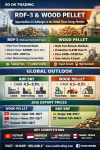
RDF‑3 与木质颗粒:清洁能源市场的机遇与挑战
SO OK TRADING | 2026年10月7日
在全球加速推进 能源转型(Energy Transition)、实现 净零碳排放(Net Zero Carbon) 目标的背景下,代替燃料 RDF‑3(垃圾衍生燃料) 和 木质颗粒(生物质燃料) 已成为减少工业和电力部门对煤炭与燃油依赖的核心力量。
来自 2065年净零政策、碳税 以及 欧盟 CBAM(碳边境调节机制) 的压力,迫使全球企业加速向清洁能源转型 —— 而泰国正处于这一变革的前沿。
SO OK TRADING 看到了快速增长的替代燃料市场中的重大机遇,尤其是 RDF‑3 在垃圾发电厂和水泥工业中的应用,以及 木质颗粒 在出口至 日本、韩国和欧洲 市场上的巨大潜力。
这不仅仅是燃料的更替 —— 而是 引领泰国能源未来走向全球可持续发展的关键一步
7 10月 2026