SO OK TRADING INSIGHT: Global Aluminum P1020 Crisis 2026–2027 – High Costs, Tight Supply, and New Market Opportunities
SO OK TRADING’S INSIGHT
Summary of Global Aluminum P1020 Supply 2026–2027: Crisis, Costs, and Market Outlook
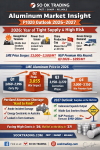
2026: A Year of Tight Supply and High Risk
The aluminum P1020 market in 2026 faced multiple pressures simultaneously:
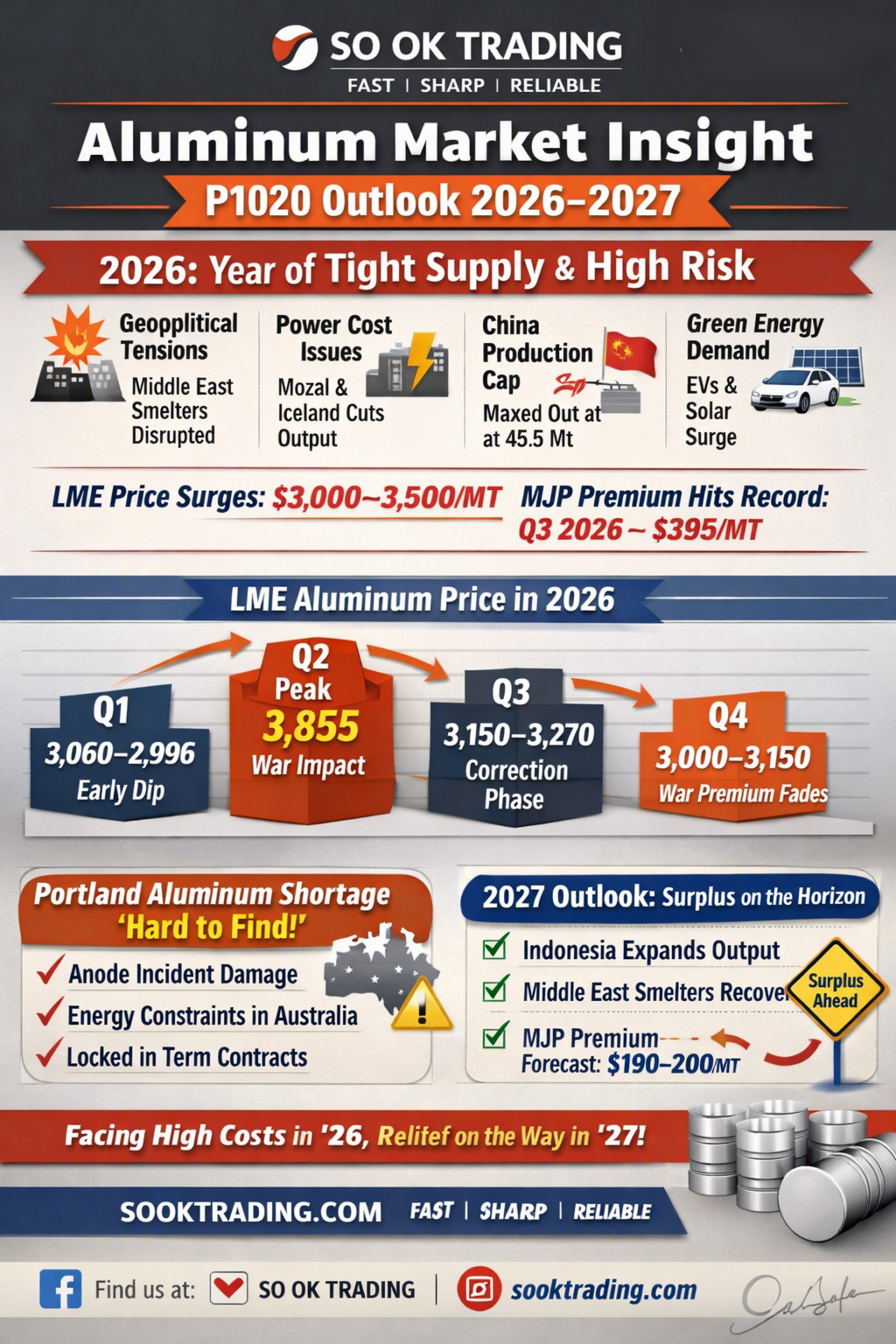
Geopolitics: Major smelters in the Middle East were attacked, and shipping routes through the Strait of Hormuz were at risk – supply from the region disappeared.
Smelter disruptions outside China: Mozal in Mozambique and smelters in Iceland cut output due to soaring power costs.
China hitting production ceiling: Capacity capped at 45.5 million tons per year, with no immediate expansion possible.
Clean energy demand: EVs, power grids, and solar panels continued to drive consumption.
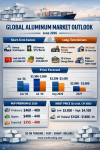
Result: Global LME prices averaged $3,000–3,500/MT, while Japan’s MJP premium hit a record high in Q3 2026 at $395/MT.
LME Aluminum Price Movements in 2026
Q1 (Jan–Mar): Average $3,060–3,370, with February dipping to $2,996 – the year’s lowest.
Q2 (Apr–Jun): Peak season. Prices surged on war risks and smelter shutdowns, averaging $3,670 in May and hitting the year’s high of $3,855 in June.
Q3 (Jul–Sep): Correction phase. Prices eased to $3,150–3,270 as war concerns subsided and Middle Eastern smelters restarted.
Q4 (Oct–Nov): Continuous decline. “War Premium” erased, prices moved within $3,000–3,150, down over 10% from mid-year highs.
MJP Premium in 2026
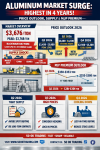
Q1: $195 – up 127% from late 2025 due to falling Japanese inventories.
Q2: $350–353 – driven by global logistics disruptions and producer pressure.
Q3: $395 – 11-year high, with Japanese stocks down to just 201,000 tons, the lowest since 2010.
Q4: $255 – dropped over 35% as new supply from Indonesia and GCC producers entered the market.
Analysis: Thai manufacturers faced “double cost pressure” from both LME prices and MJP premiums in the first half of 2026. The market peaked in Q2–Q3 and began correcting in Q4, though supply shortages in certain brands and sources persisted.
Portland Brand (Australia) – Shortage Situation
Portland aluminum from Alcoa, a Top-tier brand favored by Thai factories, became extremely scarce by late 2026.
Key reasons for shortage:
Anode Incident (2023): Smelter damage reduced capacity; despite recovery of 380 pots, full output not restored.
Energy crisis in Australia: Participation in the RERT program forced smelters to cut power usage.
Locked in long-term contracts: All production allocated to term customers; no spot lots available.
Alumina crunch: Pinjarra refinery hit by cyclone and technical issues, reducing feedstock supply.
2027 Outlook: From Deficit to Surplus
The market is expected to shift from deficit to surplus supply, supported by:
Indonesia expanding output by over 104%.
Middle Eastern smelters, such as Al Taweelah (UAE), returning to full capacity as Gulf tensions ease.
Seasonal demand slowdown in Q1 2027, aligned with Japan’s fiscal year-end.
MJP Premium Forecast Q1 2027:
Expected range: $190–200/MT, down from $255 in Q4 2026.
CME futures trading at $180/MT, reflecting correction.
Strategic Takeaways for Thai Manufacturers
2026 was marked by high costs and tight supply, especially for Portland brand aluminum. Yet, the correction in LME and MJP premiums in late 2026 signals relief.
Recommended strategies:
Secure long-term contracts to lock in prices.
Diversify with secondary aluminum.
Partner with suppliers offering Just-In-Time delivery.
Combine indexed contracts with spot purchases to capture falling premiums.
✨ Conclusion: 2026 was a year of “high costs and tight supply.” But with Q4 corrections and new supply in 2027, Thai manufacturers now have the chance to strengthen cost advantages and secure supply chain stability for the long term.
SO OK TRADING : FAST | SHARP | RELIABLE Your trusted partner in the Non-Ferrous metals business from Thailand
www.sooktrading.com Facebook: SO OK TRADING