“Thailand Aluminum Packaging 2026: Turning Point Toward a Green Future of Innovation and 100% Recycling”:SO OK TRADING: 27 JUNE 2026
Last updated: 27 Jun 2026
2286 Views
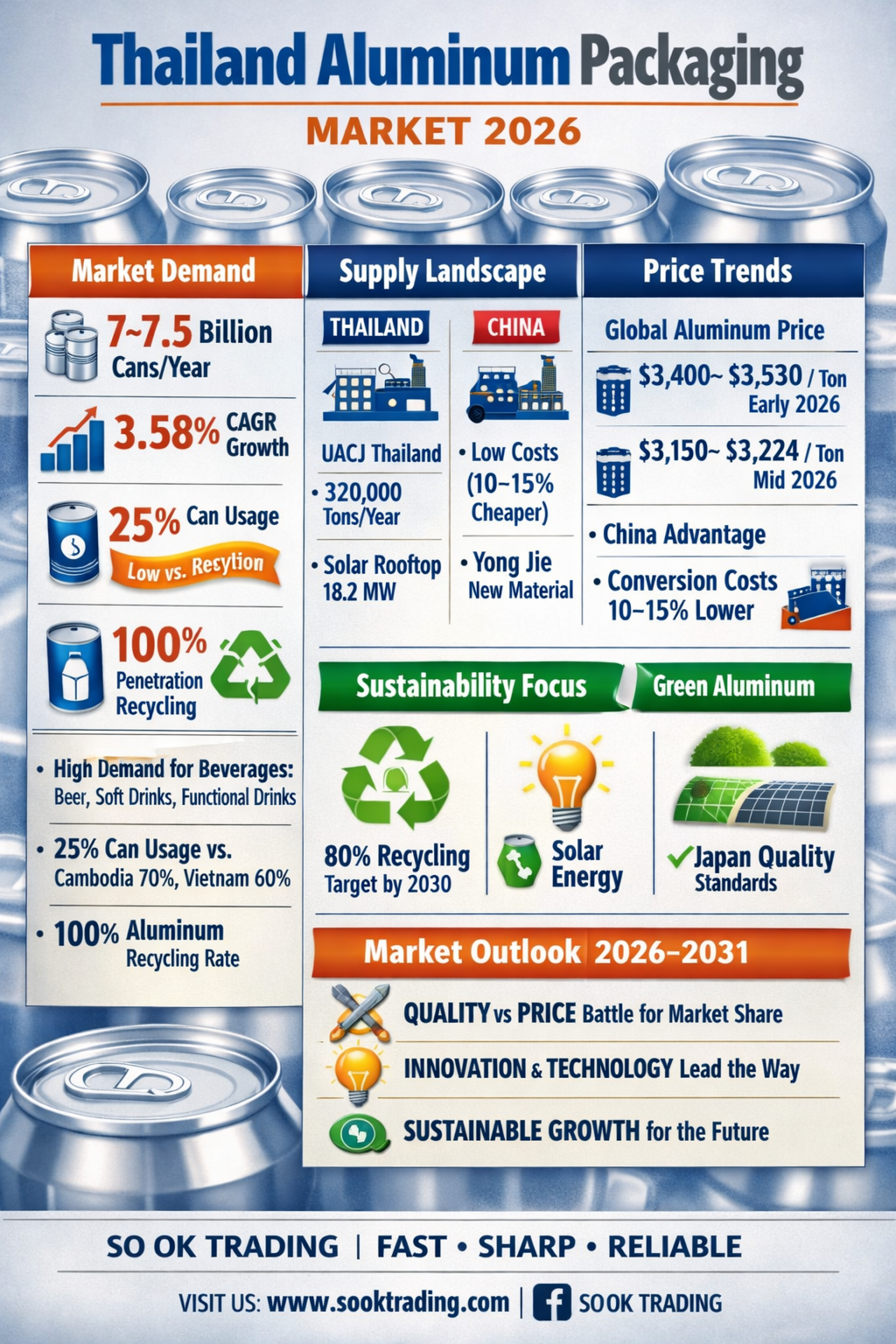
Thailand Aluminum Packaging Market 2026 – Cans, Ends & Tabs
SO OK TRADING | June 27, 2026
Market Overview
In 2026, Thailand’s aluminum packaging market is experiencing a slight contraction (-1.8% YoY), driven by soaring raw material costs and insufficient aluminum supply due to tensions in the Middle East.
Global Aluminum Price: Surged to $3,400–$3,530 per ton in early 2026, then corrected to $3,150–$3,224 per ton mid-year, still higher than the historical average of $2,500 per ton.
Domestic Drivers: Rising consumption of new beverages and sustainability trends emphasizing recycling continue to support aluminum packaging growth compared to other packaging materials.
Domestic Usage Outlook
Can Body (Body Stock – 3104 H19)
Strong demand from beer, carbonated drinks, and functional beverages.
Thai manufacturers rely on high-quality aluminum sheets that are thin yet durable for forming.
Ends & Tabs (H48, H19)
Widely used in soft drinks, beer, juice, canned food (tuna, pet food).
Chinese supply is expanding aggressively with competitive pricing and global-standard quality.
Thai producers must innovate with added-value features such as high tensile strength, lightweight design, and increased use of recycled materials.
Demand Outlook (Domestic Market)
Consumption Volume: Thailand produces and consumes about 7–7.5 billion cans annually.
Growth Trend: The metal packaging market in Thailand is expected to grow at an average 3.58% CAGR between 2026–2031, with aluminum accounting for over 69% of the total metal packaging market.
Growth Potential: Thailand’s can usage is only ~25% of the beverage market, compared to Cambodia (70%) and Vietnam (60%), highlighting significant room for expansion.
Supply Outlook (Domestic & International)
Domestic:
UACJ (Thailand): Production capacity of 320,000 tons/year, supplying domestic demand.
Driving the “Green Aluminum” strategy with a 18.2 MW solar rooftop system and a target of 80% recycling by 2030.
China:
Conversion costs 10–15% lower due to economies of scale and cheaper electricity.
Exporting both body stock and ends & tabs to Thailand.
Yong Jie New Material invested $180 million to acquire Arconic China, expanding high-quality product lines and directly entering the Thai market.
Thailand Aluminum Packaging Market Outlook
Demand: Continued growth driven by new beverages and eco-friendly trends.
Supply: Thailand faces cost disadvantages but must strengthen competitiveness through recycling, services, and innovation.
2026–2031 Outlook: The market will remain a battleground of “Japanese Quality vs Chinese Price,” with innovation and sustainability shaping the future.
SO OK TRADING Your trusted business partner in the new era of metals FAST • SHARP • RELIABLE www.sooktrading.com | Facebook: SO OK TRADING


Related Content
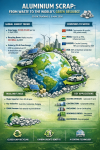
Aluminium Scrap: From Waste to the World’s Green Resource in High Demand
SO OK TRADING | 5 MAY 2026
In a world racing toward Net Zero and the Circular Economy, aluminium scrap is no longer just waste — it has become a strategic resource that nations are competing to secure.
Global prices have surged to their highest level in four years, while demand from electric vehicles (EVs), clean energy, and recycled packaging continues to rise.
Major economies such as China, India, the United States, and the European Union are accelerating domestic recycling systems to safeguard resources for their own industries.
Thailand is also stepping up — emerging as one of the world’s leading importers of aluminium scrap to supply smelters and key industries in automotive, construction, and packaging, driving the transition toward a Green Economy.
Today marks the golden moment for businesses with clean, well‑sorted scrap ready to meet Net Zero goals.
Because aluminium scrap is not just leftover material — it is the resource of the future for our planet.
SO OK TRADING
FAST • SHARP • RELIABLE
5 May 2026
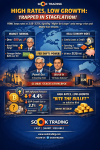
The world is entering the era of “Higher for Longer” — as the U.S. Federal Reserve (Fed) decided to keep interest rates at 3.50–3.75% for the third consecutive time, amid stubborn inflation and surging energy prices driven by Middle East conflicts.
The result: the global economy is slipping into the trap of “expensive but stagnant” — or Stagflation — a challenge that both investors and businesses must navigate with caution.
Stock markets are volatile, the dollar is strengthening, oil prices are soaring, and debt burdens remain heavy.
This is a clear signal that the world has shifted from “waiting for rate cuts” to “biting the bullet with high rates” in the fight against stubborn inflation.
Read SO OK TRADING’s Global Economic Overview – April 2026,
with insights on interest rate directions and the rising risk of Stagflation that everyone needs to know.
30 Apr 2026

SO OK TRADING'S ANTIMONY INGOT OUTLOOK
Sometimes, the most important transformations in a market do not begin when prices are rising. They begin when prices start to correct.
The global antimony market in November 2026 is sending exactly that signal. After a period marked by severe supply shortages and record-high prices, market participants are once again asking a fundamental question: What will drive the future of antimony?
Will it be growing demand from the clean energy sector, increasing consumption from the defense industry, or the large-scale restructuring of global supply chains?
At the same time, ASEAN is emerging as a new global hub for antimony production and exports. As the region's role in the international supply chain continues to expand, it is becoming an increasingly important force in shaping the future direction of the market.
SO OK TRADING takes an in-depth look at whether today's market correction marks the end of the previous bull cycle or the beginning of a new era for the global antimony industry.
Premium Closing Statement
While the market focuses on short-term price movements, the more important story may be the strategic evolution of antimony itself. From an industrial metal to a critical strategic resource, antimony is increasingly positioned at the crossroads of energy transition, advanced manufacturing, national security, and global economic resilience.
20 Nov 2026
