“Aluminum P1020: The Metal of the Future Driving a New World Amid Crisis and Transition” SO OK TRADING: June 5, 2026

Aluminum P1020: From Global Supply Crisis to Thailand’s New Opportunity in the EV and Clean Energy Era
When we talk about the “heart of modern industry,” Aluminum Ingot P1020 (99.7% purity) stands out as the clearest answer. It is the foundational raw material that connects everything from electric vehicles to clean energy infrastructure. Yet in June 2026, the global market is facing the largest supply crunch in four years, and Thailand—almost 100% dependent on imports—is at a critical turning point.
Aluminum Ingot P1020 (99.7% purity) is rapidly becoming the “metal of the future,” demanded across industries: EVs, smart power grids, premium construction, and eco-friendly packaging. But in 2026, the world is experiencing the biggest supply crunch in four years, and Thailand faces both challenges and new opportunities.
Global Market Overview: A Supply Shock Shaking Industries
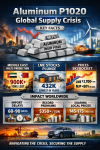
Middle East production halted: Giant smelters EGA (UAE) and Alba (Bahrain) partially shut down due to natural gas shortages, cutting over 900,000 tons of capacity.
LME stocks at record lows: Down to ~432,000 tons, while Russian supply remains under sanctions.
Prices surge to 4-year highs: LME cash hits $3,700–3,850/ton, and Asian MJP Premium skyrockets over 80% in a single quarter.
Thailand’s Situation: “Costs Soaring, Supply Tight”
Import quotas cut: Thai traders face reduced delivery contracts, pushing foundries and rolling mills’ lead times from 30–45 days to 60–90 days.
SMEs bear the heaviest burden in 11 years: Premiums jump from $86 → $350+/ton in just six months.
Domestic retail prices: Rise to 145–165 THB/kg, potentially reaching 175 THB/kg for small-lot purchases.
⚡ Downstream Industries: Demand Keeps Growing
Despite tight supply, demand for P1020 continues to grow steadily, especially in:
Electric Vehicles (EVs): Batteries, mega-casting, and motors. Expected >5% annual growth through 2031.
Power sector: Smart grids and high-voltage cables require EC-grade wire rods.
Premium construction: Low-carbon aluminum to meet CBAM requirements.
Eco-packaging: Aluminum cans and foil replacing single-use plastics.
Strategies for Thai Buyers
Monitor pricing formula (LME + Premium) daily
Use secondary ingots (recycled aluminum) where specifications allow
Explore new supply sources from Indonesia and Australia using clean energy
Plan inventory ahead to mitigate extended lead times
Today’s Aluminum Market
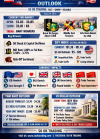
Western markets compete for low-carbon P1020
Asia, including Thailand, remains the consumption hub
Recycling and diversifying supply sources are the keys for Thai businesses to survive and grow amid this crisis
Interested in purchasing P1020 Aluminum Ingot? Contact SO OK TRADING today. Thank you very much.
SO OK TRADING
Your Business Partner
FAST SHARP RELIABLE
VISIT US AT : WWW.SOOKTRADING.COM FACEBOOK : SO OK TRADING