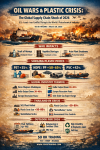
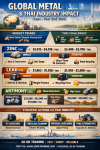
“Oil Shortage Crisis: Oil Prices Boil! Global Shock, Thailand Hit Hard — Oil as the Catalyst of the World Economy : Article by SO OK TRADING : April 6, 2026”
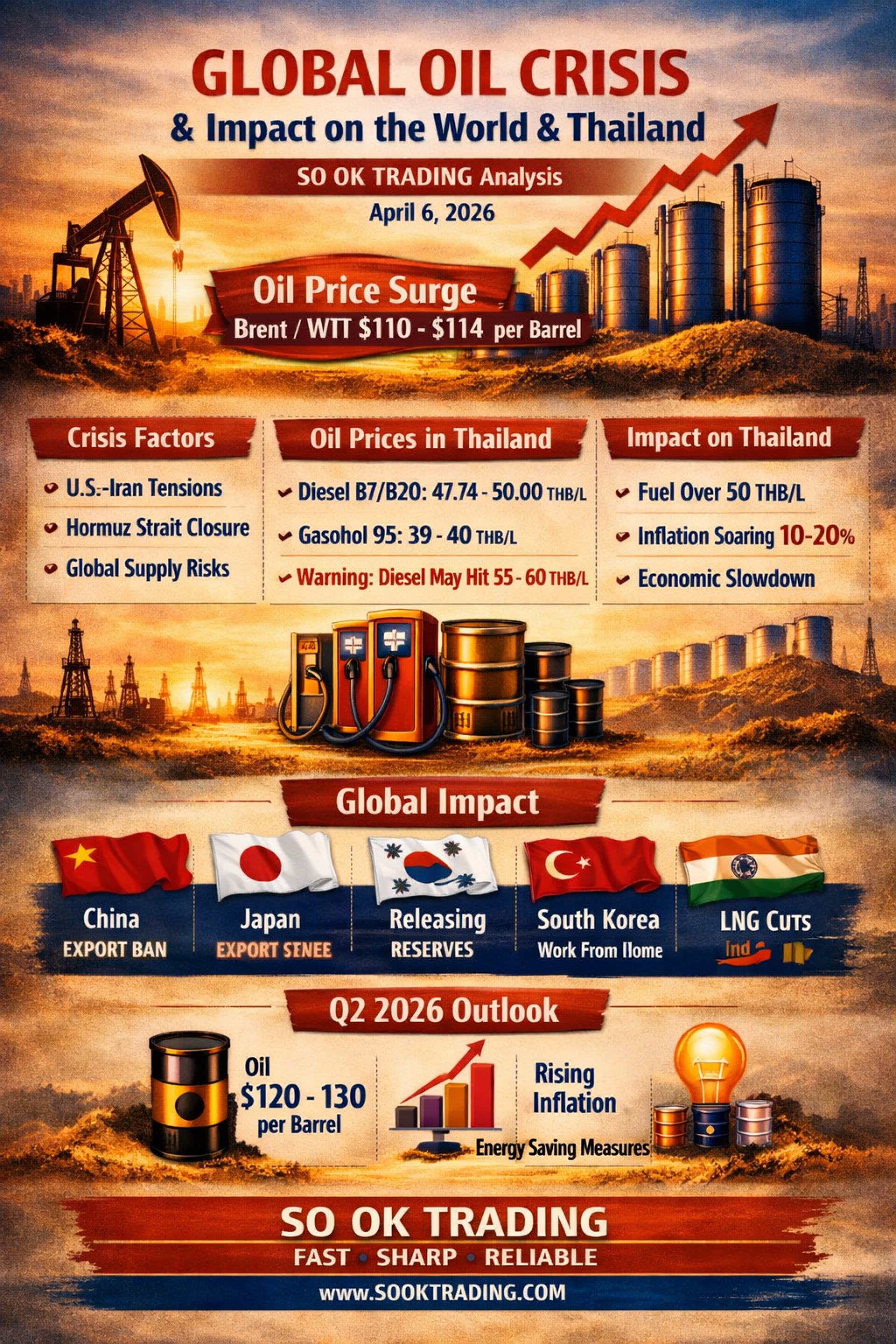
Global Oil Price Crisis and Its Impact on the World and Thailand : Article by SO OK TRADING : April 6, 2026
Overview
On April 6, 2026, the world is facing the largest oil price crisis in years. Brent and WTI crude prices have surged to $110–114 per barrel, reflecting escalating tensions in the Middle East and the closure of the Hormuz Strait, a vital route that carries more than 20% of global energy shipments.
Oil Prices in Thailand
Diesel B7/B20: 47.74–50.00 THB/L (increased by 2.80–3.50 THB/L on April 5)
Gasohol 95: 39–40 THB/L
Gasohol 91: 38–39 THB/L
E20: 37–38 THB/L
Benzene: 48–49 THB/L
Diesel prices may reach 55–60 THB/L in April if the situation persists.
Crisis Drivers
U.S.–Israel vs. Iran conflict
Closure of the Hormuz Strait by Iran
Global energy supply risks
Impact on Thailand
Retail fuel prices surged immediately, especially diesel exceeding 50 THB/L
Oil Fund deficit surpassing 47 billion THB
Government may introduce national energy-saving measures such as limiting shopping mall hours and promoting work-from-home
Inflation in Thailand may rise 10–20% due to higher transport costs
Economic growth may slow, with SCB EIC forecasting 2026 growth at around 1.4%
Regional and Global Impacts
China: Ban on refined oil exports, reserves for 60 days, preparing energy-saving measures
Japan: Oil reserves for 250 days, releasing over 80 million barrels, promoting work-from-home
South Korea: Oil reserves for 200 days, considering work-from-home to reduce energy use
India: Cutting LNG supply to factories to save energy
Australia: Over 283 gas stations without fuel, affecting travel and businesses
April and Q2/2026 Outlook
Global crude prices may reach $120–130/barrel if negotiations fail
Diesel in Thailand may rise to 55–60 THB/L
Inflation in Thailand may surge 10–20% due to transport costs
If the Hormuz Strait reopens, oil prices may drop to $90–100/barrel
Most Likely Scenario
Middle East tensions will persist at least through Q2/2026, keeping oil prices high at $110–130/barrel
Major importers such as Thailand, China, Japan, and South Korea will strictly manage reserves, enforce energy-saving measures, and accelerate alternative energy adoption
High oil prices will push inflation and production costs higher, slowing economic growth across many countries
Diplomatic negotiations may occur mid-2026, but it remains unclear whether agreements will be reached
Impact on Other Countries
China: Despite strong reserves, Hormuz Strait closure delays imports, affecting industry and transport
Japan: Must use reserves strictly, may limit energy use in businesses and households
South Korea: Facing high energy risks, must accelerate conservation and promote work-from-home
India: Cutting LNG supply to factories, slowing some production
Australia: Severe fuel shortages, widespread impact on travel and business
Key Watchpoints (April 6–10, 2026)
Iran’s response to U.S. ultimatum
Oil reserve levels of major importers
Thailand’s energy price restructuring, e.g., excise tax reduction
Conclusion
This oil price crisis is not just about energy — it is a catalyst forcing nations to restructure their economies and seriously shift toward alternative energy.
SO OK TRADING : FAST • SHARP • RELIABLE Your trusted business partner in every global market situation www.SOOKTRADING.com