Food Condiment , Thai Spice : Gift from Natural Product of Thailand
Gift to the world : Thai Condiment
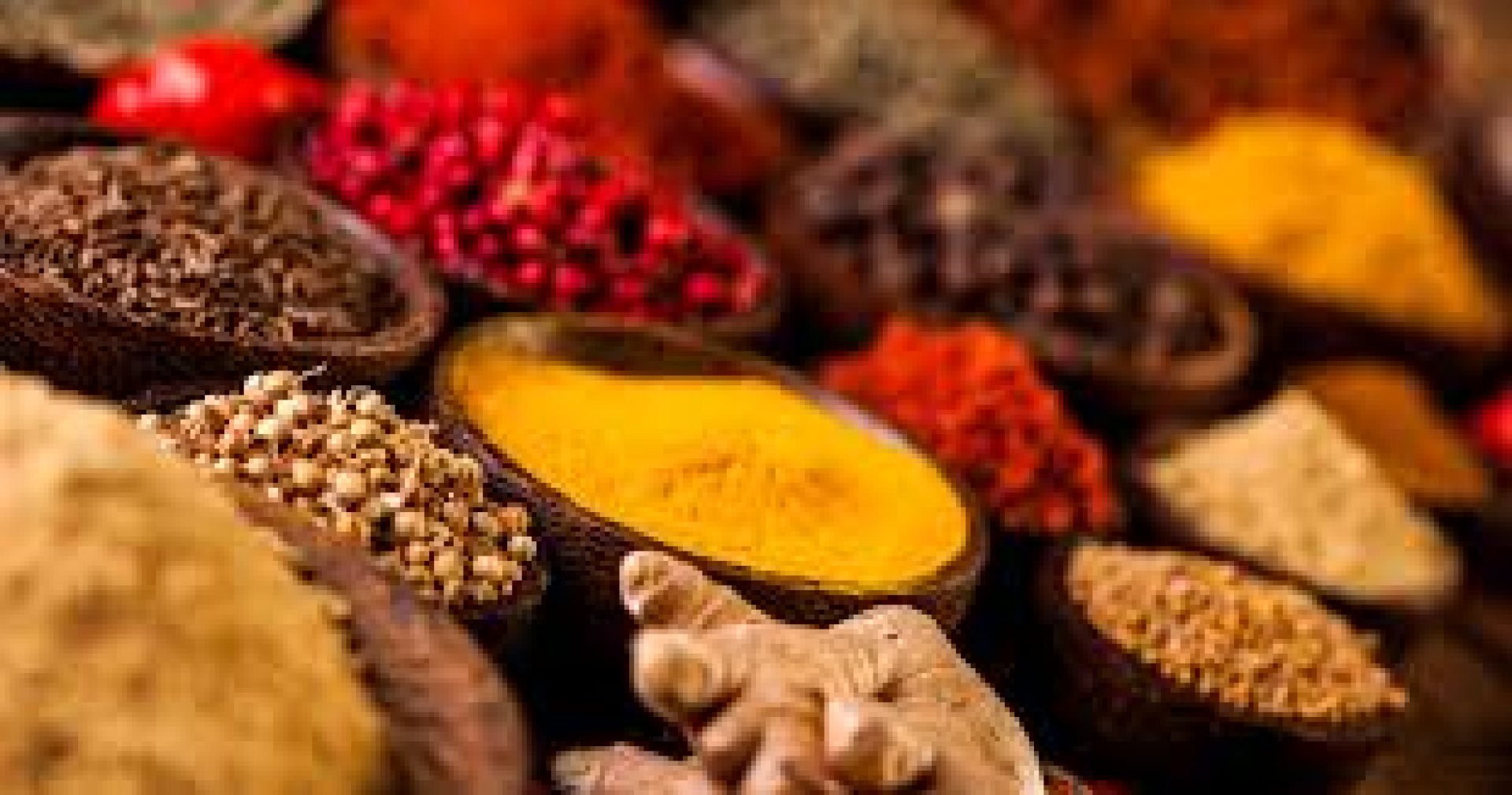
Delicious Thai condiments are all about balance (sweet, sour, salty, spicy) and include staples like Prik Nam Pla (fish sauce with chilies/garlic for everything), Nam Jim Jaew (tangy, smoky sauce for grilled meats), Nam Jim Seafood (lime, garlic, chili, seafood dip), Sweet Chili Sauce (Nam Chim Kai) (universal sweet/spicy), and complex pastes like Nam Prik Pao (roasted chili paste). These sauces add depth and zest, transforming simple dishes into vibrant Thai flavors, from everyday seasoning to specialized pairings.
Thai Seasoning Unique Taste
Thai seasoning's unique taste comes from balancing five core flavorssweet, sour, salty, spicy, and bitterusing vibrant, aromatic ingredients like lemongrass, galangal, makrut lime, chilies, garlic, shallots, and fish sauce, creating complex, fragrant, and layered profiles distinct from other cuisines, often with regional variations. Key notes include bright citrus (lemongrass, lime), pungent earthiness (galangal, turmeric), spicy heat (bird's eye chilies), and umami depth (fish sauce, shrimp paste).
-----------
The History Of Thai Spices In Thai Cooking
The tradition of Thai cooking in Thailand began centuries ago with the emigration of people from the southern Chinese provinces. As a result, many Thai dishes have Szechuan influences, as well as Indian influences from Buddhists monks. In more recent times, Thai food became influenced by European flavors, such as the introduction of chilis and mangoes by Portuguese missionaries, and by Dutch traders who brought many foreign spices to Thailand.
Today, despite its multicultural roots, the use of Thai spices in Thai cooking is its own genre, with each dish being uniquely Thai. In Thai cooking, there are said to be five tastes: spicy, sweet, sour, salty, and creamy all combinations and intensity of these flavors can make their way into one dish. Furthermore, each region of Thailand has its own style of cuisine.
Northern Thailand
Northern Thai cooking is milder than the other regions of Thailand, and is said to have heavy roots in Burmese cooking. Northern Thai cuisine is traditionally served on a Khan Toke (small round table), in which you gather around to share the meal. Northern Thai cuisine uses sticky, more glutinous rice, over regular white rice eaten in other regions of Thailand the rice is rolled into balls and used to soak up dips and sauces.
Northeastern Thailand
Northeastern Thai cuisine has Laotian influences and can be very spicy. You will find soups in this region, but they are made with a broth base as opposed to coconut milk and many of their dishes feature unique proteins (including frogs!). Pla ra is a thick fermented fish sauce that you will find in Northeastern Thailand dishes, that is an acquired taste for many. You will also see freshwater seafood such as river prawns, snakehead fish, and catfish. The most popular rice in this region is sticky rice.
Central Thailand
Central Thai cooking is a blend of all Thai cuisines, but done on a more elaborate scale. This is because central Thai cuisine was once considered royal cuisine, in that it was prepared for royalty. Today, central Thai cuisine still has a greater focus on being appetizing to the stomach and the eye, and much of the food that originates from central Thailand is akin to artwork.
Some of the most popular Thai dishes such as Pad Thai, Tom Yam Goong, and Green Curry originated from the Central region. The typical flavor profile from this region includes a mellow combination of sour, salty, spicy and sweet. Central Thai cuisine commonly incorporates coconut milk to flavor dishes, and is typically served with steamed Jasmine rice.
Southern Thailand
In Southern Thailand, you will find an abundance of seafood, coconut, and pineapple, which are all reflected in the cuisine. And be warned Southern Thai cuisine can bring the fire! The preference for spiciness comes from a variety of cultural influences, from Indian to Chinese, but also a belief in the health benefits of a good burn. In addition, this could also be due to Southern Thais reliance on seafood i.e. the more spice you add, the less fishy smell that comes through in the dish. With the abundant use of curry paste and chilis in Southern Thai Food, youll find the cuisine is usually spicy and sour, and has less sweetness than other regions.
Popular Thai Spices
In Thailand, there are many common spices that are used to heat up everything from stir fries to curries to salads and more. These spices range in heat from mild to scorching, and depending on where in Thailand you are, you may experience different levels of spice in the same dish. For example, in the southern part of Thailand, the food is said to be spicier.
Here are just a few common Thai spices that help to bring out the aromatic flavors of Thai cooking, and definitely help bring the heat!
Galangal
Galangal is a root that is a lot like ginger, but spicier and more intense in flavor. It is sometimes referred to as Thai ginger. Galangal is a common ingredient in Tom Kha Gai as well as in curry pastes used to create those famous curries that Thailand is known for. Galangal is also said to fight inflammation, boost male fertility, and may even help prevent a variety of cancers.
Turmeric
Turmeric is another popular ingredient in Thai cooking. Commonly used in Thai curries (such as Massaman and Yellow curry,) and Chicken Satays, turmeric has a vibrant yellow hue, and a bitter earthy taste. Turmeric contains something called curcumin, which is known for its anti-inflammatory and anti-allergy properties. It is also said to reduce cholesterol and help promote clear, acne free skin.
Ginger
Ginger is another common spice used in Thai cooking. Ginger has a bright, pungent flavor, and is usually served raw in Thai cuisine, however it can also be used powdered or in paste form. It is also commonly used in tea. A common Thai dish featuring ginger is gai pad king, a stir fry dish. Gingers health benefits include relieving nausea, and improving symptoms of arthritis and menstrual pain.
Garlic
Garlic is a favorite around the world, especially in Thai cooking. Garlic is featured in many Thai recipes, if not as the star ingredient, as an important player. In Thailand, garlic may be served raw, or in a dish such as Gai Pad Gratiem Prik Thai. The health benefits of garlic have been widely touted across the globe, and include everything from lowering blood pressure and cholesterol to helping protect against the common cold and brain and prostate cancer.
Lemongrass
Lemongrass is an aromatic, citrusy grass that grows in Thailand, and is used to flavor everything from Thai curries to the famous Tom Yum soup. Lemongrass is even sold as an essential oil which can be diffused to help relaxation or used as a massage oil. When ingested in Thai cuisine, lemongrass can aid in ailments such as reducing headaches and fevers, and calming an upset stomach. Lemongrass extract is also a popular mosquito repellent in Thailand.
Chilis
When many people think of spicy food, they think of chilis. Thai chilis are no exception. In fact, there are said to be 79 different types of Thai chilis that derive from just three species of Thai chili plant. Thai chilis run the gamut when it comes to heat levels, ranging anywhere from 50,000 to 100,000 Scoville units. To put it into perspective, the average jalapeno pepper ranges in 2,500 to 8,000 Scoville units! This makes even the mildest Thai pepper about 15 times spicier than a jalapeno!
Popular Thai chili peppers include:
Prik kee noo (birds eye pepper) the most commonly used Thai pepper.
Prik ban chang considered a less spicy Thai chili, it is used in curry pastes but can be hard to find.
Prik yuak a sweet, not very spicy chili.
Prik noom a Northern Thai chili, often used in a dish called nam prik noom.
Prik chee fah used in red curries, as garnishes, and served either fresh or pickled.
Prik lueng often pickled and added to salads.
Prik kaleang said to be the spiciest of Thai chili peppers.
Prik jinda longer and milder than birds eye chilis, but still very hot!
Thai Peppercorns
Thailand has about 40 different types of peppercorn growing throughout the country, including black and green peppercorns. Peppercorns can be ground, or in some dishes can be added in whole. Whole green peppercorns, for example, are a common spice in many dishes, however they do not overwhelm the dish with spice if not directly bitten into. That being said, if you do happen to bite into one, you will definitely notice the heat.
Peppercorns are packed with antioxidants, and have myriad benefits, including lowering blood sugar and cholesterol, and improving brain and gut health.
Cinnamon
In Thai cooking, cinnamon is used in both sweet and savory dishes. It is a prominent ingredient in massaman curry, as well as desserts like rice pudding. Cinnamon has many known health benefits, including lowering blood sugar, and preventing illnesses such as cancer and heart disease.
The Thai Spice Scale
When dining in a Thai restaurant, you may have heard there is a spice scale that can help you determine how hot you want your meal. The scale ranges from one to five, with one being mild, and five being full spice. Here are the definitions of each level:
Level 1-2: Mild
When it comes to Thai cuisine, level one is considered mild spiciness. Though it still has some spice to it, mild spiciness still imparts some characteristic Thai flavor to the food, and is recommended for those who are new to Thai cuisine or who do not like their food spicy at all.
Level 2-3: Little Spicy
Little spicy is considered to be a moderate level of spice, with perhaps the addition of extra birds eye chilis or dragon chilis.
Level 3-4: Medium Spicy
Medium spicy can be a bit uncomfortable for those who are not used to a lot of spice in their foods. If you are unfamiliar with Thai cuisine, it is recommended that you work your way up to medium spicy before jumping right in, as it can be very hot for those who arent used to it!
Level 4-5: Thai Hot Spicy
Level four is what most Thai people are accustomed to, and is by far the spiciest way to have your meal prepared. Some have even said that one Thai hot spicy meal can leave your mouth burning for the rest of the day! That being said, if you want the full, authentic Thai food experience, Thai hot spicy is the way to go!
-----------
if you looking for Thai authentic condiment / seasoning to import to your country kindly let us know we can make a sales on the quality product which will match to your requirement
-----------